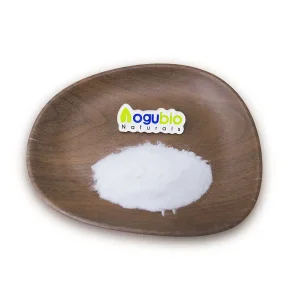
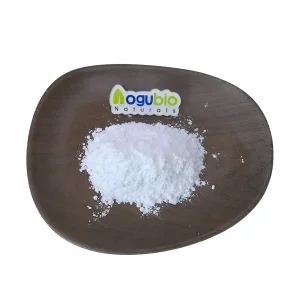
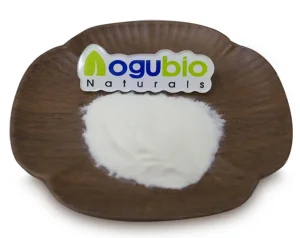
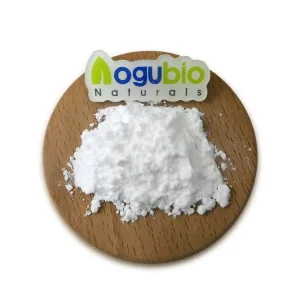
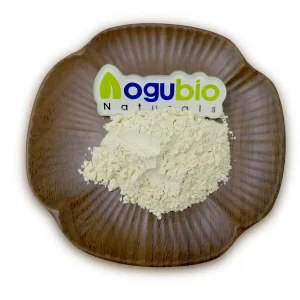
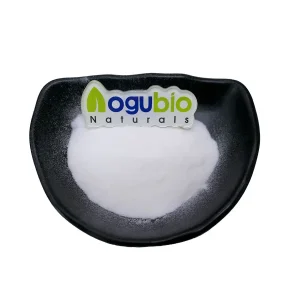
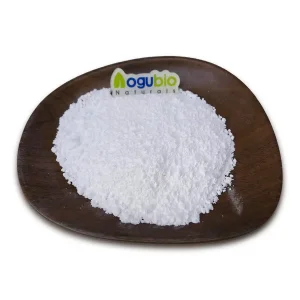
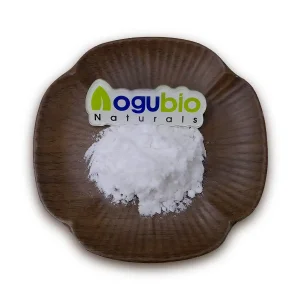
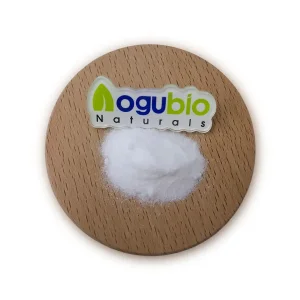
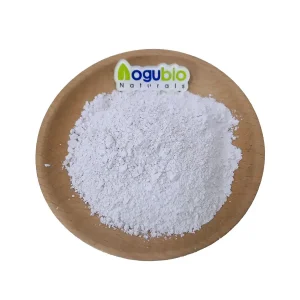
The global eye care market is witnessing a tectonic shift from traditional hydration to targeted biochemical intervention. Decapeptide-12, originally developed at Stanford University, has emerged as the gold standard for treating periocular hyperpigmentation. Unlike traditional lighteners like hydroquinone, Decapeptide-12 offers a non-irritating mechanism by inhibiting tyrosinase without cytotoxicity, making it the preferred choice for the delicate under-eye area.
Historically, Decapeptide-12 was exclusive to high-end medical-grade brands. Today, the industrial landscape has matured. Suppliers across Europe, North America, and particularly high-tech hubs in China have streamlined peptide synthesis. This has allowed the ingredient to move from niche dermatology clinics to global retail beauty products, driving massive demand for high-purity, stable powder and liquid forms.
The future of Decapeptide-12 under eye treatments lies in computational biology. Factories are now using AI to simulate peptide stability when combined with other actives like Hyaluronic Acid or Caffeine. This ensures that the Decapeptide-12 remains bio-available and does not degrade in the presence of sunlight or varying pH levels in topical formulations.
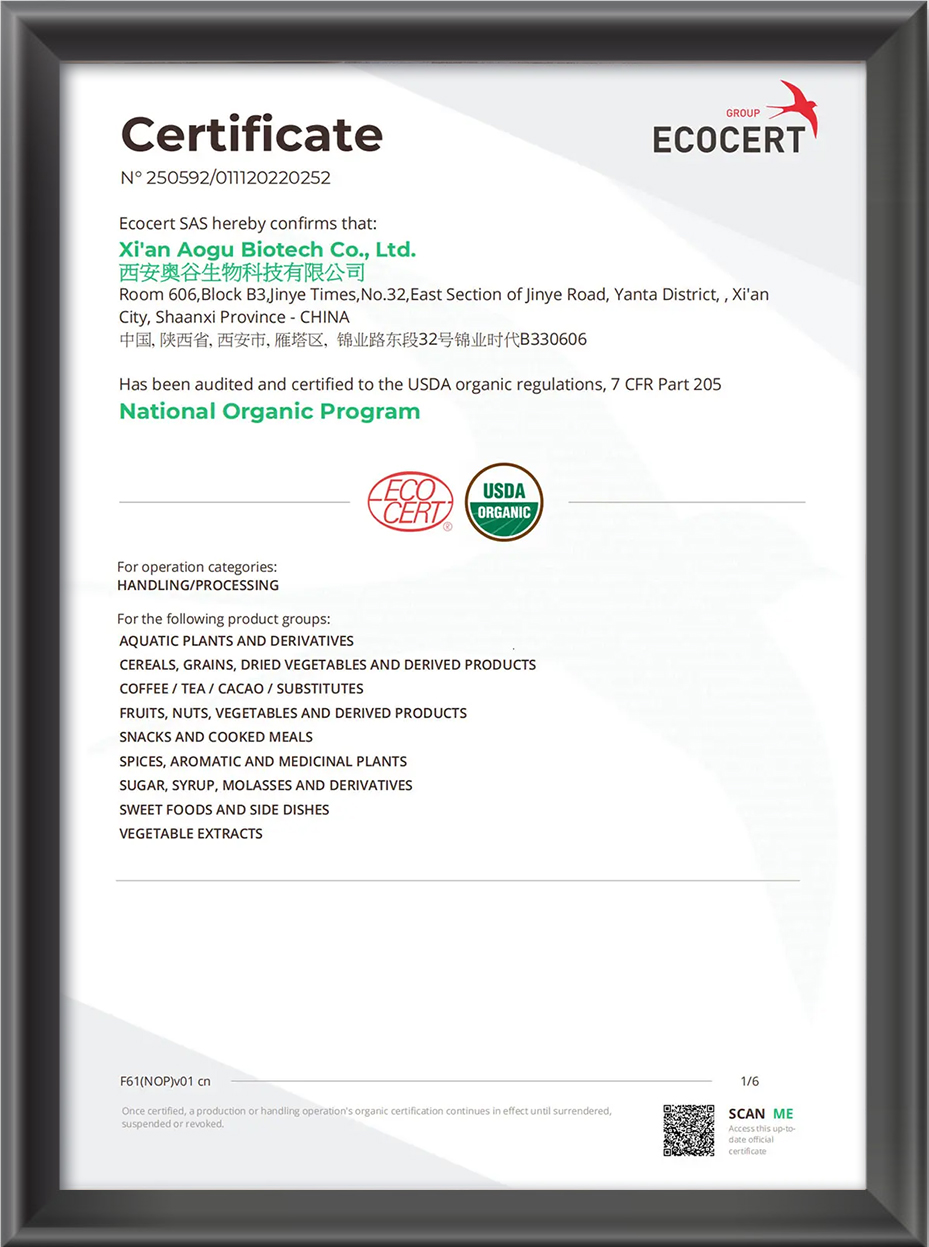
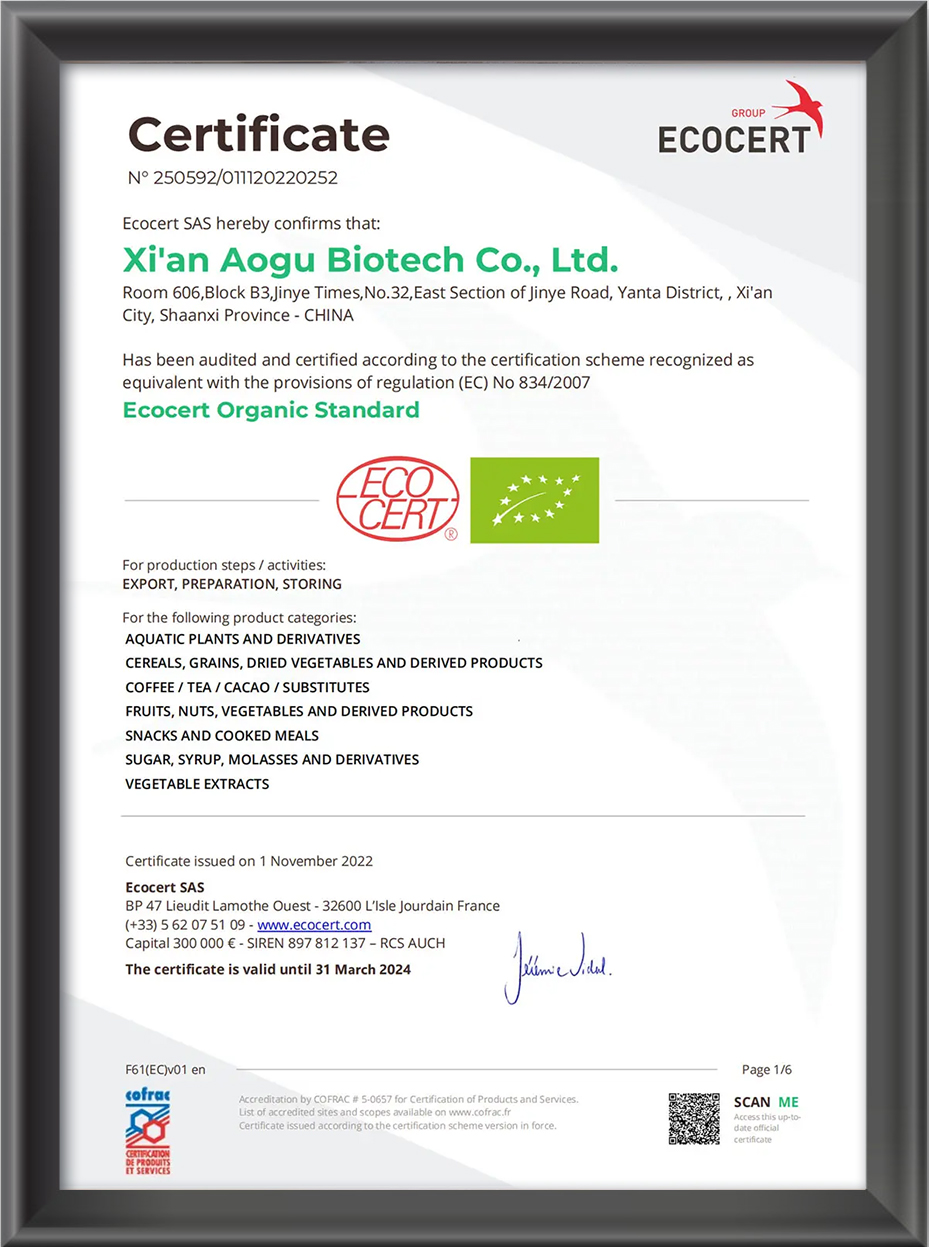
Modern procurement requirements prioritize "Green Chemistry." Manufacturers are moving away from harsh solvents during peptide precipitation. As a leading supplier, our focus on sustainable synthesis aligns with the global shift towards eco-certified skincare products, catering to the ethical consumer base in the EU and North American markets.
The latest trend is the encapsulation of Decapeptide-12 in liposomes or nano-emulsions. This allows the peptide to penetrate the thick epidermal layer of the under-eye area more effectively, providing clinical results that rival laser treatments. Suppliers providing these "ready-to-use" complexes are seeing the highest growth in the B2B sector.
For international cosmetic giants and emerging Indie brands alike, procuring Decapeptide-12 involves more than just price comparison. The complexity of peptide purity (often required at >98%) necessitates a partner with rigorous Quality Control (QC) infrastructure. Procurement officers look for:
The application of Decapeptide-12 varies significantly by region. In the Asian market, the focus is on "Skin Brightening" and "Glow," where it is often paired with Niacinamide. In Western markets, the emphasis is on "Age Spot Reduction" and "Dark Circle Correction," requiring formulas that include peptides like Acetyl Tetrapeptide-5 to reduce puffiness simultaneously.
Founded in 2013 and headquartered in the prestigious high-tech zone of Xi'an, Xi'an Aoge Biotech Co., Ltd., along with its subsidiaries Xi'an Imaherb Biotech Co., Ltd. and Xi'an Nahanutri Biotech Co., Ltd., has established itself as a leading force in the cosmetics raw materials industry.
Our expansive cooperative factory, spanning 1,000 mu (approximately 165 acres), is equipped with state-of-the-art extraction and synthesis technology. This advanced infrastructure allows us to manufacture a wide array of premium cosmetic raw materials. Our product line includes natural plant extracts specifically designed for organic cosmetics, as well as synthetic peptides like Decapeptide-12 for high-end skincare formulations.
View More Insights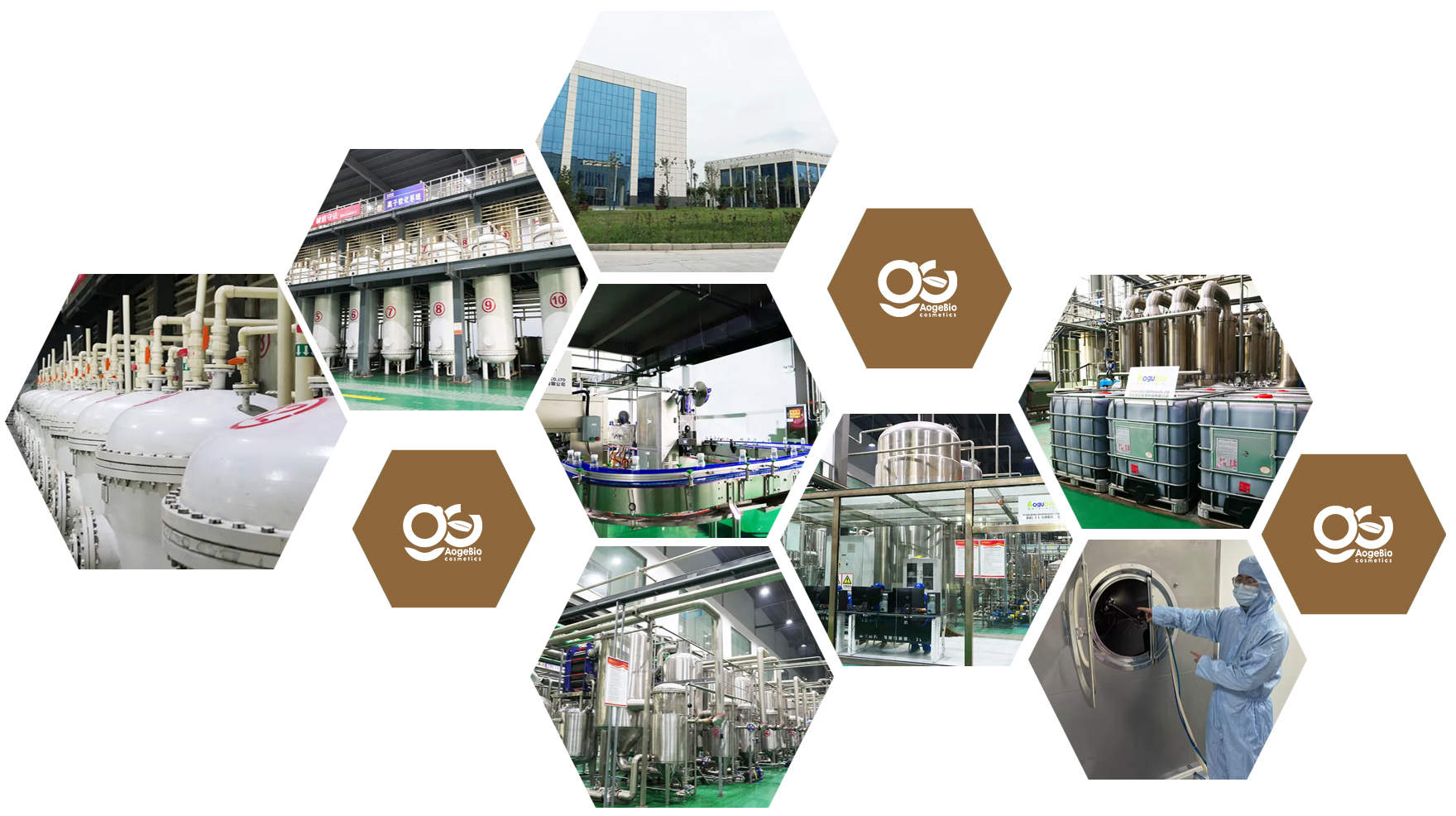
Years of Professional Experience
Monthly Raw Material Output
Factory Area in Square Meters
We pour relentless efforts into research and development, constantly exploring novel raw materials and advanced manufacturing techniques to stay ahead in the dynamic cosmetics industry.
Our in-house lab uses advanced instruments like UPLC, HPLC, GC-MS, and ICP-MS for quality control, ensuring every milligram of Decapeptide-12 meets international pharmaceutical standards.
We actively embrace sustainable practices, striving to minimize our environmental footprint through eco-friendly production methods and responsible sourcing of precursors.
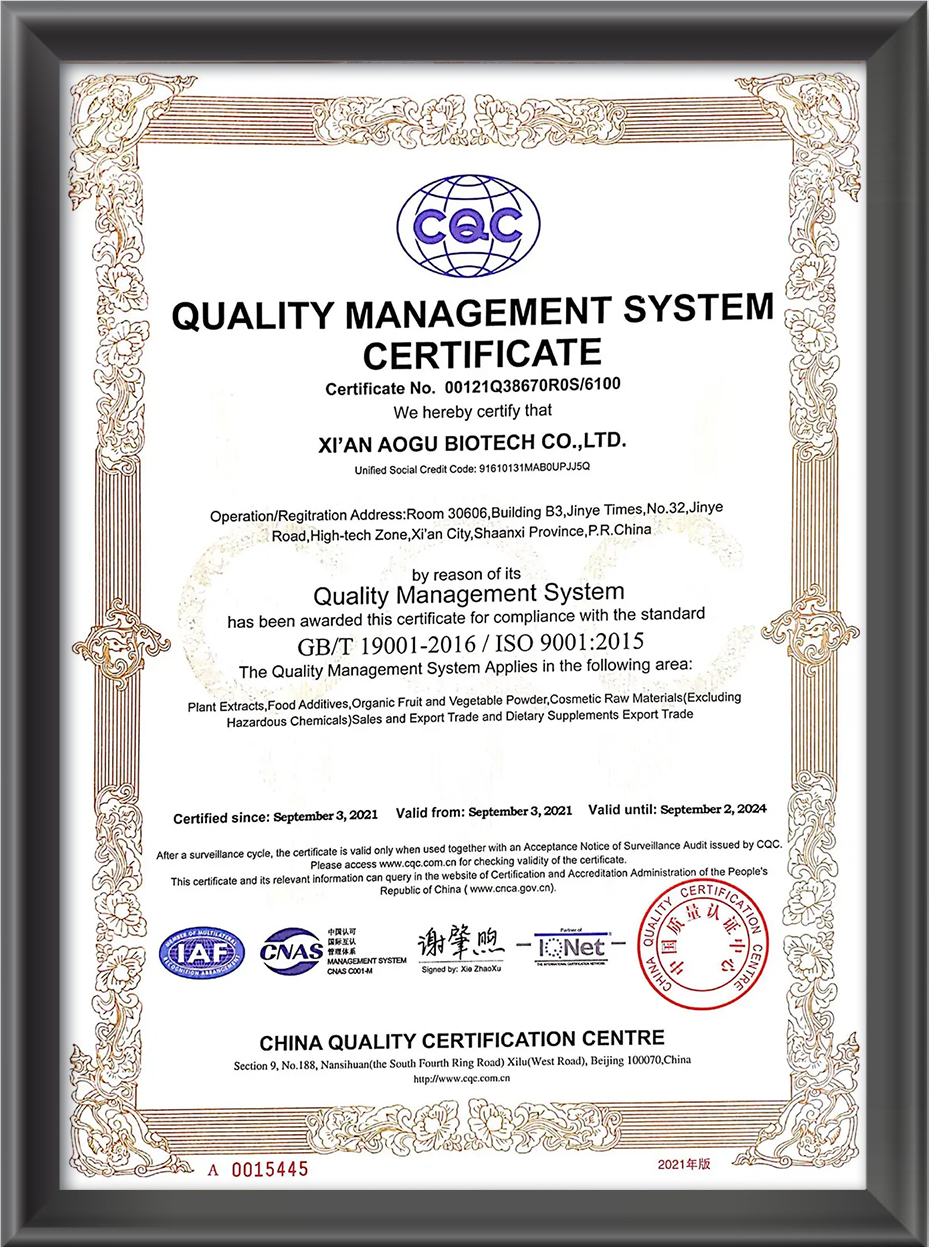
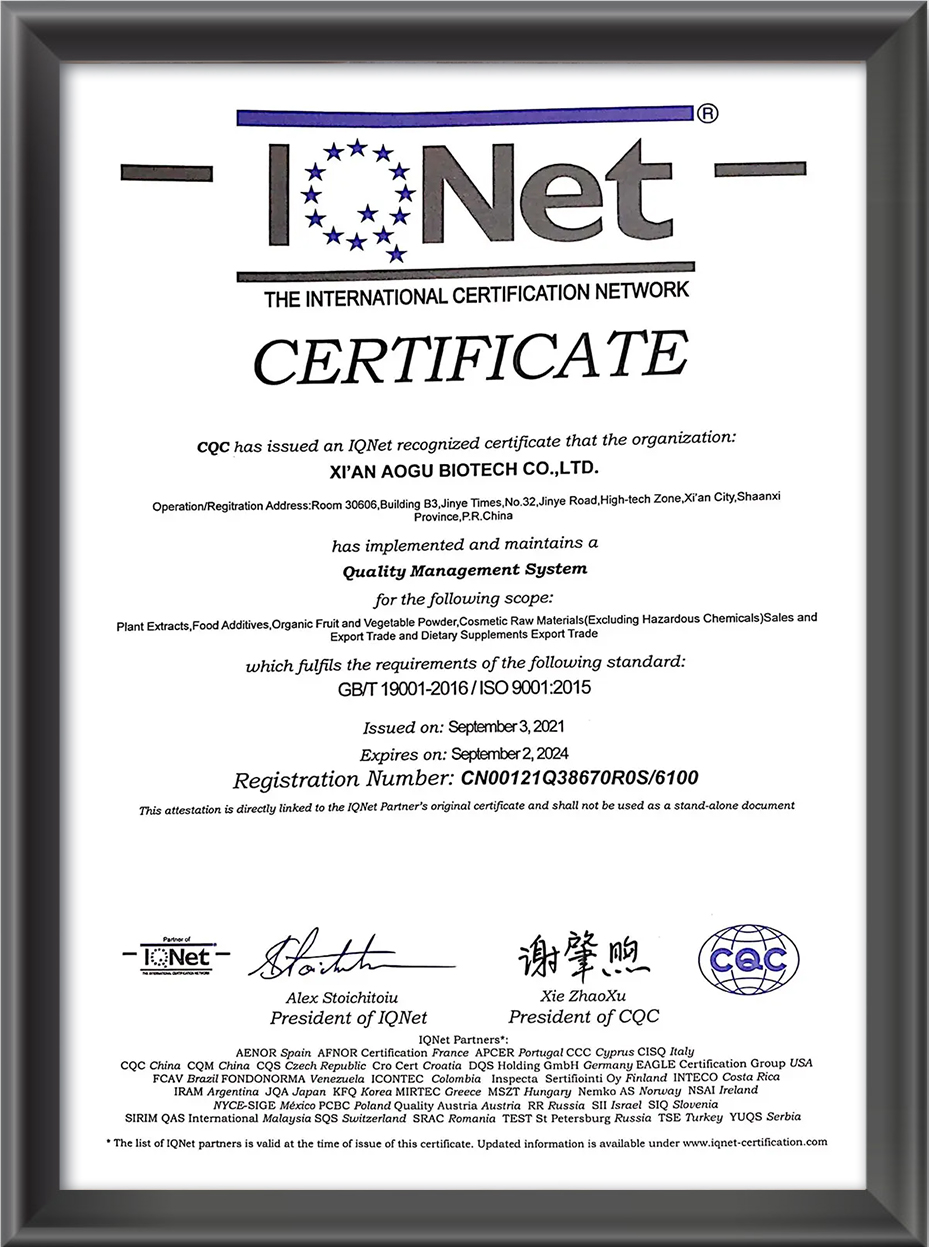
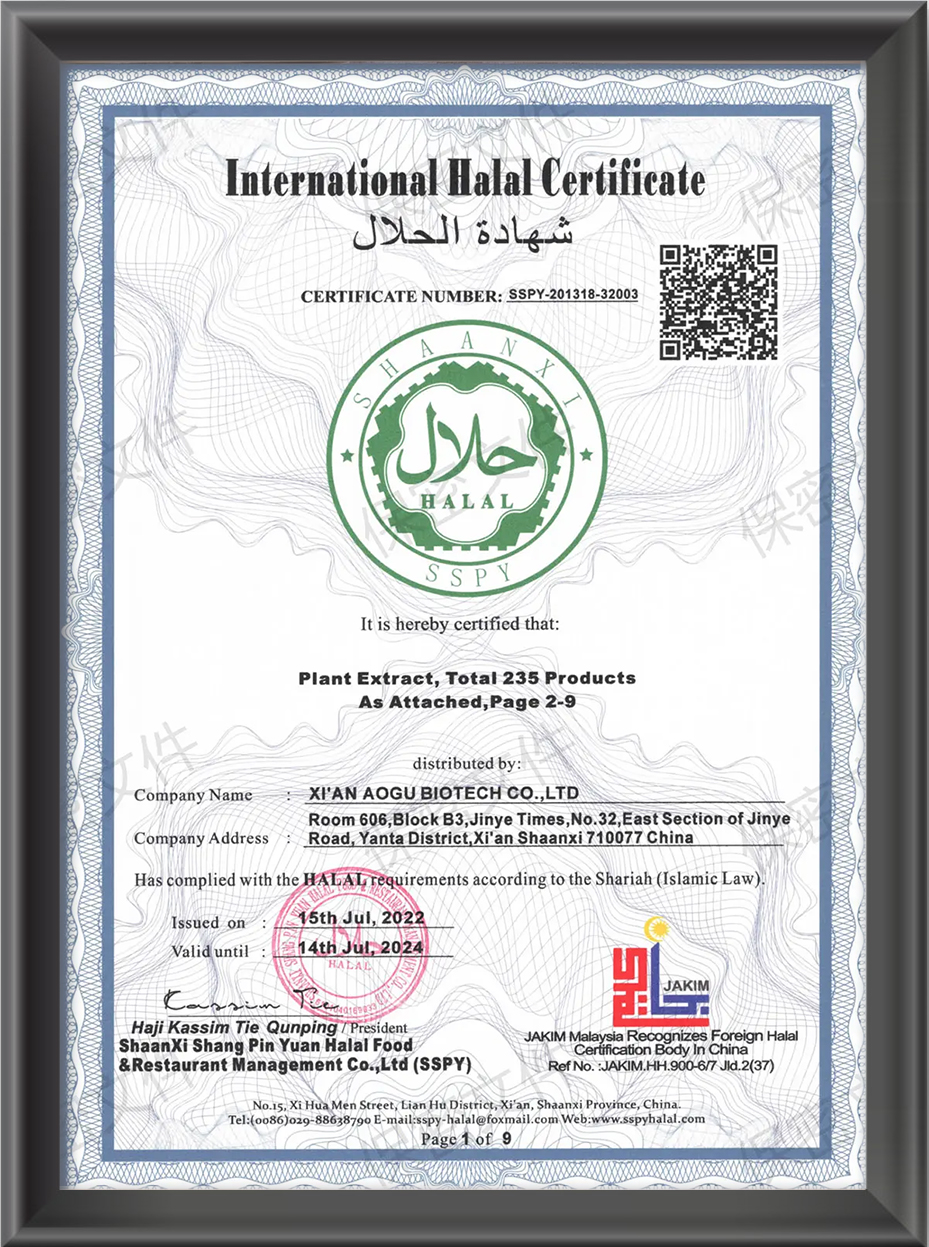
Ensuring compliance with FDA, ISO, and REACH standards.
 Aogebio Cosmetic