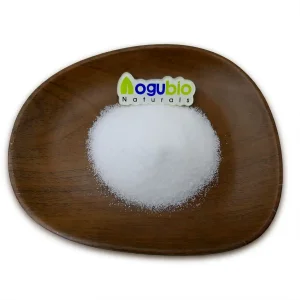
Product Description
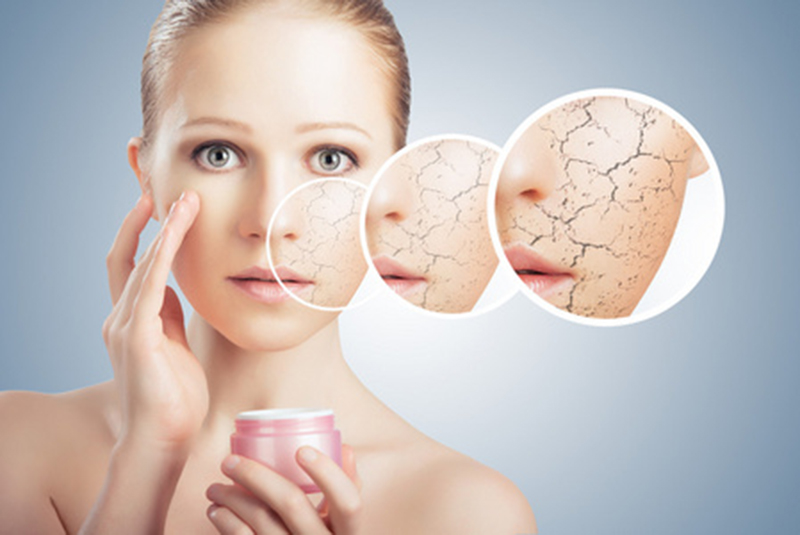
Melatonin is a hormone secreted by the pineal gland that regulates the sleep-wake cycle. In recent years, melatonin has been introduced into the cosmetic field for its antioxidant and anti-inflammatory properties. It is considered an effective ingredient in skin care to help improve skin health and appearance.
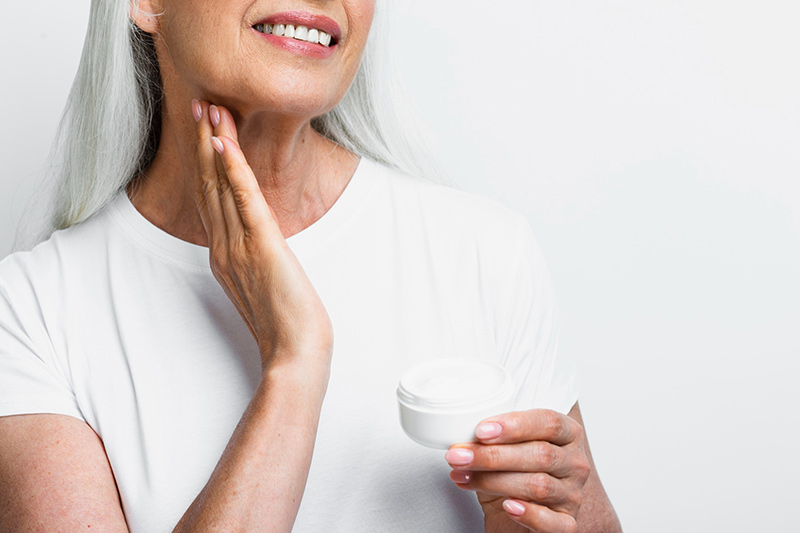
Transform nighttime into prime repair time with cosmetic-grade Melatonin, the cutting-edge antioxidant powerhouse that supercharges your skin's natural renewal process. As a potent free-radical scavenger, it works while you sleep to reverse daytime damage, boost collagen production, and wake up to visibly younger-looking skin.
Why Formulators Choose Cosmetic Melatonin?
- Powerful Cellular Repair: Stimulates nighttime skin regeneration for reduced fine lines and improved elasticity.
- Ultimate Antioxidant Protection: Neutralizes UV, pollution and blue light-induced oxidative stress.
- Soothing & Anti-Inflammatory: Calms sensitive skin and reduces visible redness and irritation.
Perfect For:
➔ Anti-aging night creams & sleeping masks
➔ Post-procedure recovery formulations
➔ Antioxidant-boosted serums
Benefits
🛡️
Antioxidant
Melatonin has strong antioxidant capacity, which can neutralize free radicals and reduce the damage of oxidative stress to the skin.
🌿
Anti-inflammatory
It can reduce skin inflammation, relieve redness, swelling and irritation, and is suitable for sensitive skin.
✨
Promote Skin Repair
Helps accelerate skin healing and improve the overall texture and appearance of the skin.
😴
Improve Sleep Quality
By promoting sleep, it indirectly improves the skin’s repair and regeneration process, making the skin look healthier and smoother.
Use & Applications
In cosmetics, Melatonin is usually used at a concentration between 0.1% and 1%. For daily skin care products, such as creams and serums, a concentration of 0.5% to 1% is recommended to ensure its effectiveness. It is particularly effective in nighttime skin care products, helping the skin to be better repaired and nourished.
Skin Care: Widely used in anti-aging, repairing and moisturizing products like creams and essences.
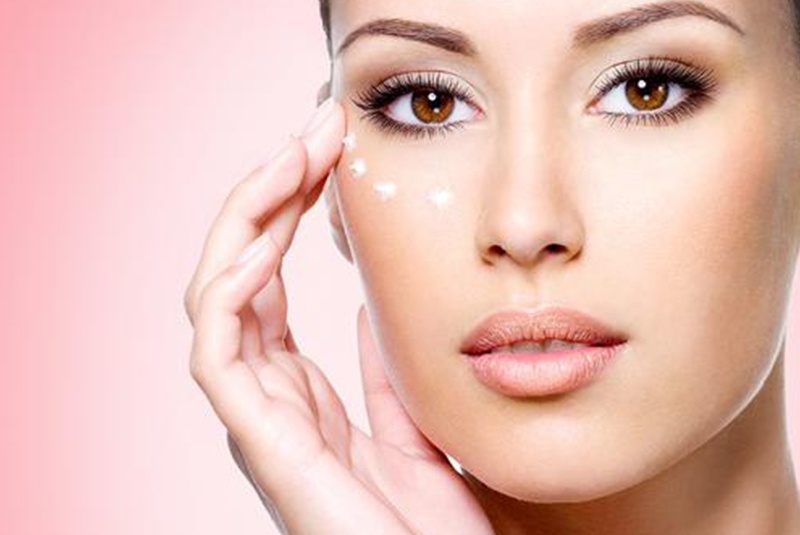
Eye Care: Used in eye cream and eye essence to help reduce dark circles and eye fatigue.
Masks: Enhances moisture and nutrition while promoting intensive repair.
Cosmetics: Can be added to foundation and concealer to provide skin care effects and improve makeup finish.

Storage: Closed container, dry place, room temperature.

Animal Testing: Not animal tested.

Vegan: No animal-derived components.

GMO: No data available.
Frequently Asked Questions
Q1: What is the recommended dosage for Melatonin in skincare?
The typical concentration in cosmetics ranges from 0.1% to 1%. For most creams and serums, 0.5% to 1% is ideal for maximum effectiveness.
Q2: Why is Melatonin mostly used in nighttime products?
Melatonin works with the body's natural circadian rhythm to supercharge the skin's regeneration process during sleep, making it most effective in night creams and masks.
Q3: Does Melatonin help with sensitive skin?
Yes, its anti-inflammatory properties help reduce skin redness, swelling, and irritation, making it suitable for sensitive skin formulations.
Q4: Is this product suitable for Vegan formulations?
Yes, our cosmetic-grade Melatonin does not contain any animal-derived components and is suitable for vegan products.
Q5: What are the primary storage requirements?
It should be stored in a tightly closed container in a dry environment at room temperature to maintain its stability.
Q6: Can Melatonin be used in color cosmetics?
Yes, it can be added to foundations and concealers to provide additional skincare benefits and improve the overall effect of the makeup.
 Aogebio Cosmetic