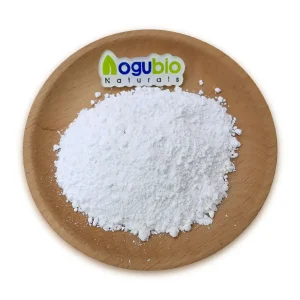
The global cosmetics industry is currently undergoing a transformative shift toward "Neuro-cosmetics" and "Cellular Longevity," where Tripeptide-2 (CAS No: 17355-22-5) has emerged as a cornerstone ingredient. Often referred to in high-end formulations as a critical component for facial contouring, Tripeptide-2 is a synthetic peptide containing tyrosine, arginine, and lysine. Its primary industrial value lies in its ability to inhibit Progerin, a senescence-marker protein that accumulates as we age, leading to nuclear instability and cellular aging.
Today, the commercial landscape for Tripeptide-2 spans from luxury European skincare labs to massive production hubs in Asia. Market analysis suggests that the demand for high-purity peptides like CAS No: 17355-22-5 is growing at a CAGR of over 7.5%. As consumers move away from superficial fixes toward deep-acting biological solutions, Tripeptide-2 has become a "must-have" for exporters supplying the global anti-aging market. Leading manufacturers are now focusing on enhancing the bioavailability of this peptide, ensuring it can penetrate the dermal-epidermal junction effectively.
Modern laboratories are using Artificial Intelligence to predict the synergy between Tripeptide-2 and other actives like Hyaluronic Acid, creating more potent dermal matrices.
The industry is pivoting toward high-purity, synthetic peptides that are free from animal-derived contaminants, making CAS 17355-22-5 a preferred choice for vegan-friendly luxury brands.
Research is shifting toward ingredients that can "turn off" aging markers at a genetic level. Tripeptide-2’s role in modulating progerin production aligns perfectly with this trend.
In the current industrial climate, the focus is no longer just on collagen production. The trend has shifted toward Extracellular Matrix (ECM) integrity. Tripeptide-2 is recognized globally for its role in reducing skin sagginess and improving the "V-shape" of the face. This specific application has driven a surge in procurement requests from medical-grade skincare brands in North America and Southeast Asia.
Procuring Tripeptide-2 (CAS No: 17355-22-5) requires a partner who understands the delicate balance of peptide synthesis. Global buyers—ranging from multinational cosmetic giants to niche boutique brands—demand consistency, high purity (typically >98%), and comprehensive documentation (COA, MSDS, HPLC, and Mass Spec data).
As a premier Chinese manufacturer, Aogebio LLC offers several strategic advantages:
Founded in 2013 and headquartered in the prestigious high-tech zone of Xi'an, Xi'an Aoge Biotech Co., Ltd., along with its subsidiaries Xi'an Imaherb Biotech Co., Ltd. and Xi'an Nahanutri Biotech Co., Ltd., has established itself as a leading force in the cosmetics raw materials industry.
Our expansive cooperative factory, spanning 1,000 mu (approximately 165 acres), is equipped with state-of-the-art extraction technology. This advanced infrastructure allows us to manufacture a wide array of premium cosmetic raw materials. Our product line includes natural plant extracts specifically designed for organic cosmetics, as well as synthetic ingredients for high-end skincare formulations.
View More Information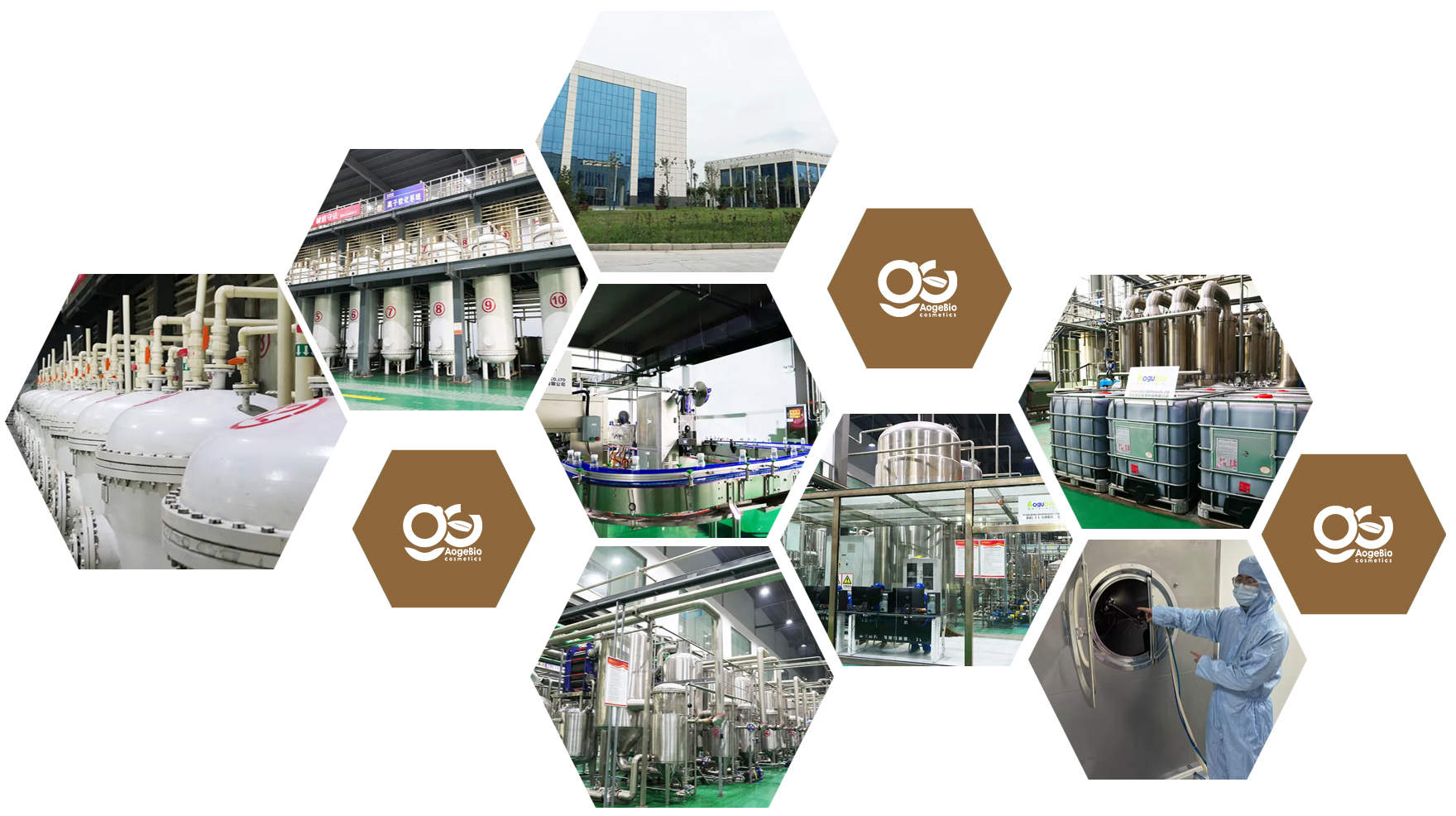
The versatility of CAS No: 17355-22-5 allows it to be adapted into various regional market needs:
1. South Korea & Japan (J-Beauty/K-Beauty): In these markets, Tripeptide-2 is integrated into "essence lotions" and sheet masks focused on the "porcelain skin" effect, where skin firmness is as vital as brightness.
2. Europe (Luxury Skincare): High-end French and Swiss brands utilize Tripeptide-2 in "Neck and Décolleté" creams, specifically targeting the thinning skin of the neck area where progerin accumulation is most visible.
3. North America (Medical Spa Grade): In the US and Canada, the peptide is often paired with professional treatments like microneedling or LED therapy to accelerate visible lifting and firming results.
4. Middle East: Due to harsh environmental conditions, regional brands use Tripeptide-2 in barrier-repair serums to help skin resist the accelerated aging caused by intense UV exposure.
 Aogebio Cosmetic