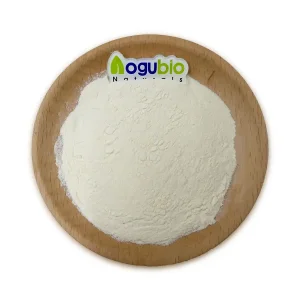
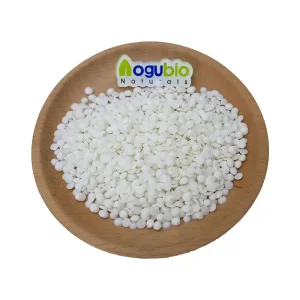
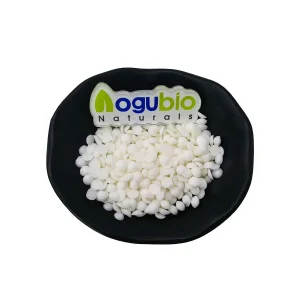
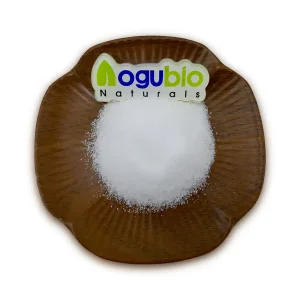
 Aogebio Cosmetic
1 / 1
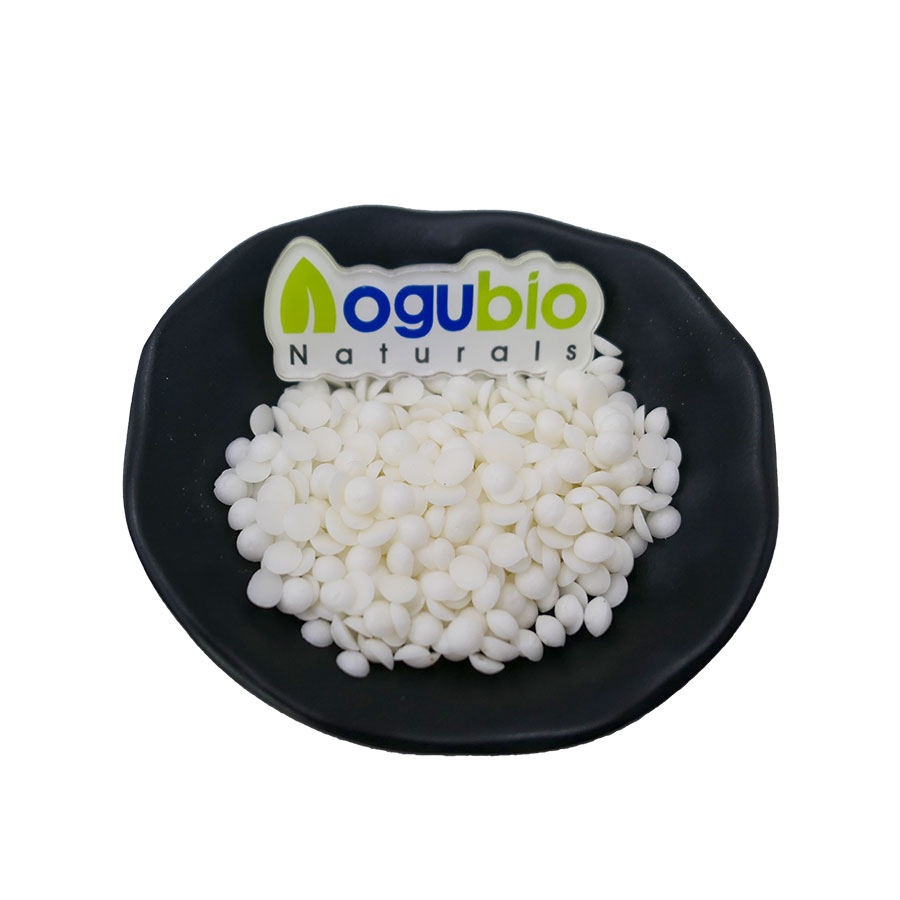
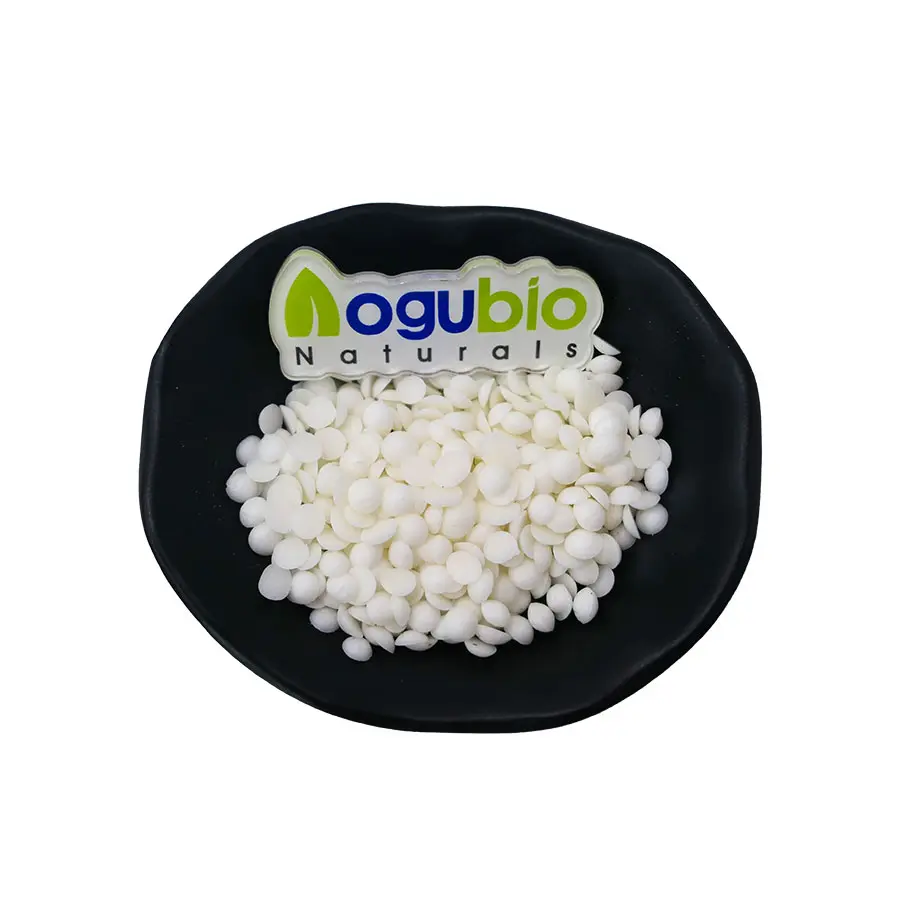
Glyceryl stearate is an ester derived from glycerin and stearic acid. Its chemical formula is C₂₁H₄₂O₄, and it exists as a white to off-white waxy solid with a mild fatty odor. As an amphiphilic molecule, it functions as an emulsifier, emollient, and texture enhancer in cosmetic formulations. It is often synthesized via direct esterification of glycerin and stearic acid, and may be combined with other esters in commercial grades.
This multifunctional cosmetic ingredient serves as both an effective co-emulsifier and texture-enhancing agent in premium skincare formulations. This versatile ester of glycerin and stearic acid is specially engineered to deliver superior emulsion stability, pearlescent effects, and skin-conditioning benefits across diverse product categories.
Available in both standard and self-emulsifying (SE) grades, Glyceryl Stearate meets the highest purity standards with controlled monoester content (40-60%) for consistent performance. Technical support is available to help optimize HLB balance and achieve perfect texture in your products.
Acts as both W/O co-emulsifier and O/W stabilizer.

Imparts rich, creamy consistency in creams & lotions.
Creates luxurious visual appeal in cleansers & haircare.
Mild, non-irritating properties ideal for sensitive skin.
Commonly used in facial moisturizers, body butters, and night creams.

Emulsifies oil and water phases while providing emolliency; supports long-lasting hydration.
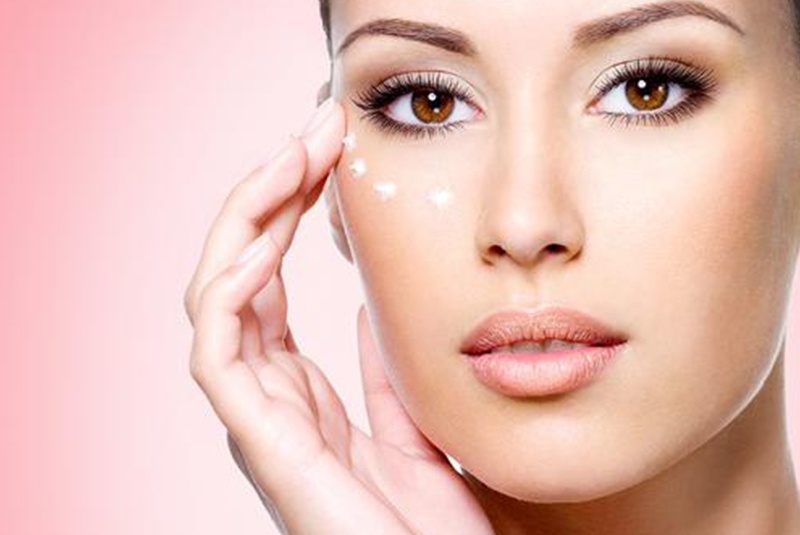
Stabilizes pigment dispersions in cream-based makeup, improving texture and adherence.

Acts as a secondary emulsifier in soap to enhance lather and reduce skin dryness.
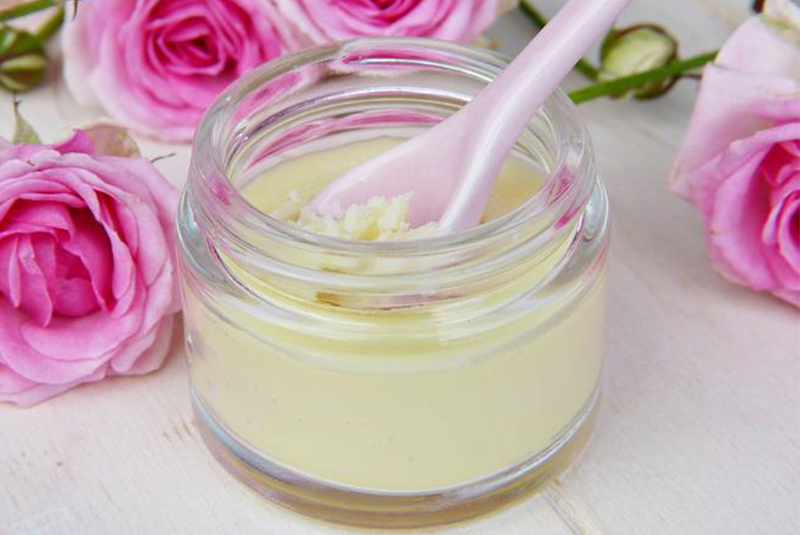
Smoothes the hair cuticle, reduces frizz, and improves combability as a lipid-based conditioner.

Closed container, dry place, room temp.

Not animal tested.

No animal-derived components.

No data available.
It primarily functions as an emulsifier to blend oil and water, an emollient to soften the skin, and a texture enhancer to provide a creamy consistency.
Yes, it is known for its mild, non-irritating properties, making it suitable for use in products designed for sensitive skin.
In facial washes and shampoos, it creates a pearlescent, luxurious shine that enhances the visual appeal of the formulation.
Self-emulsifying (SE) grades contain additional surfactants to help the product emulsify more easily, while standard grades usually act as co-emulsifiers.
Absolutely. It acts as a lipid-based conditioner that smoothes the hair cuticle, reduces frizz, and makes hair easier to comb.
It should be stored in a tightly closed container in a cool, dry place at room temperature to maintain its stability.