Product Description
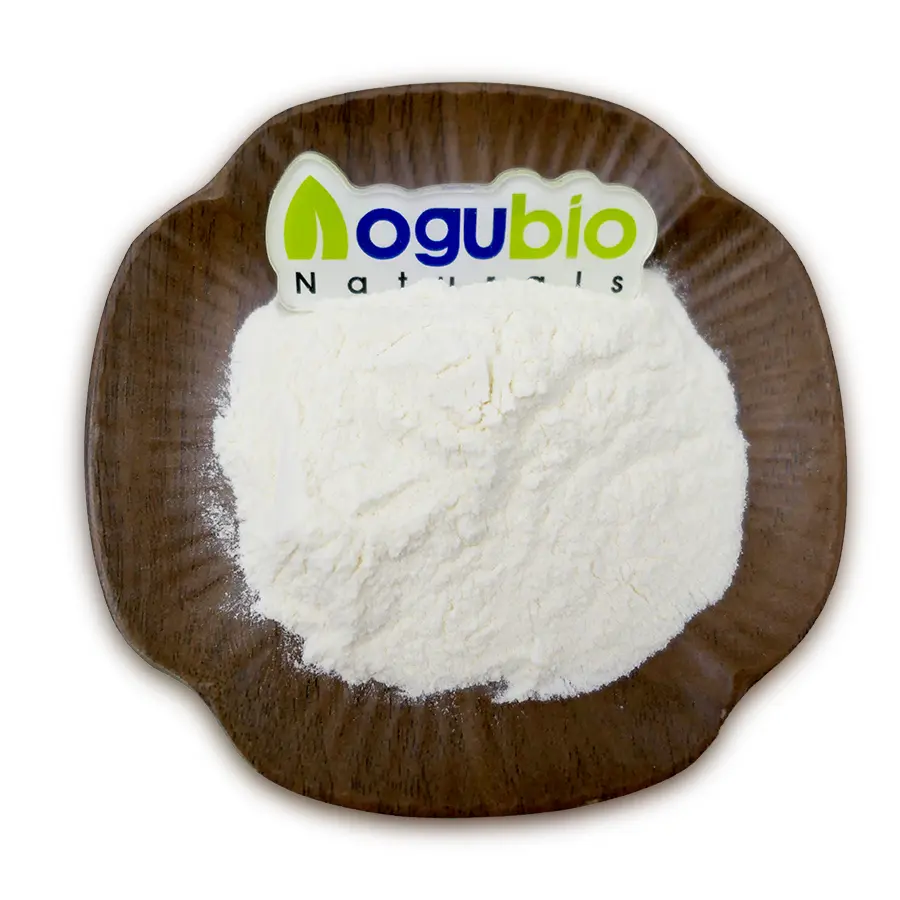
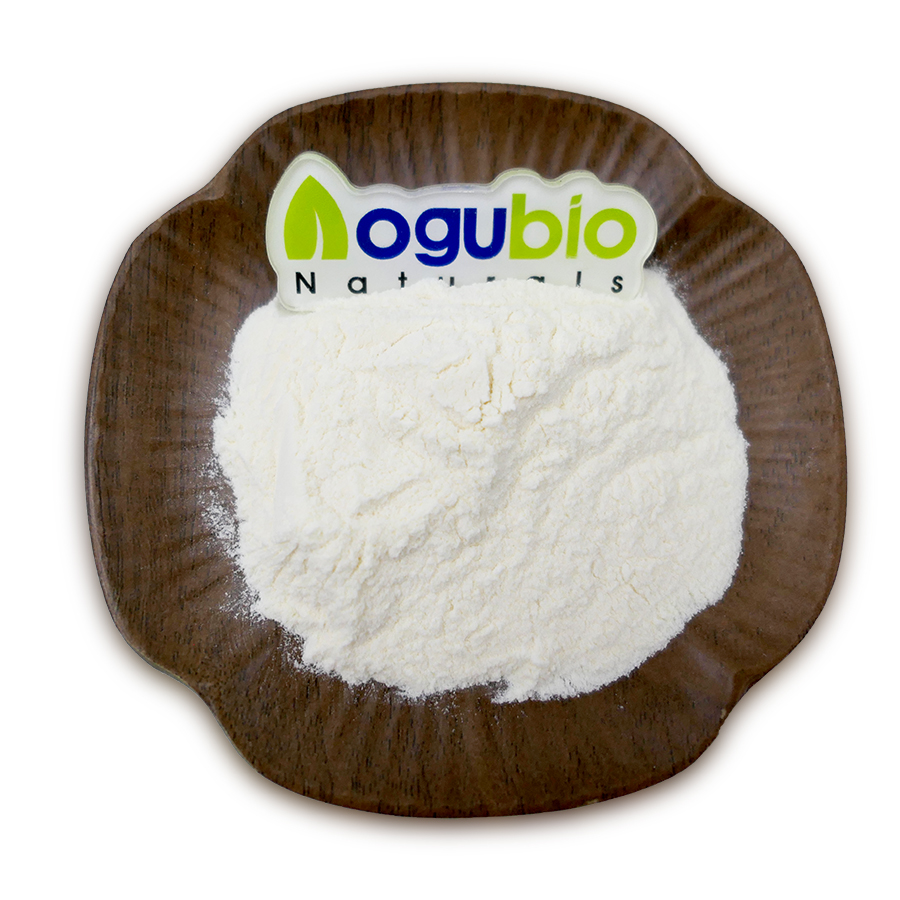
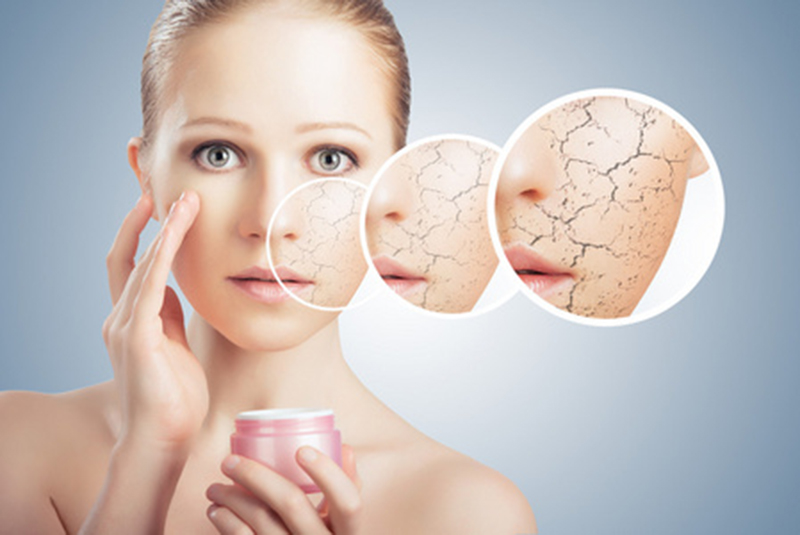
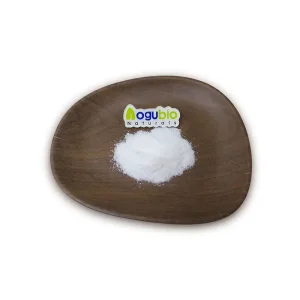
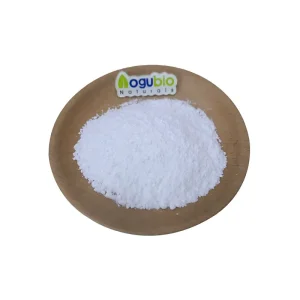
Chondroitin Sulfate is a polysaccharide naturally found in cartilage and connective tissue, belonging to the glycosaminoglycan family. It is usually extracted from animal cartilage and has good moisturizing and anti-aging properties. In the cosmetic field, chondroitin sulfate is widely used in skin care products to improve the appearance and health of the skin.
Chondroitin Sulfate is a premium-grade glycosaminoglycan that delivers dual-action benefits for both cosmetic formulations and nutraceuticals. Extracted through proprietary enzymatic hydrolysis, it maintains optimal bioactivity and molecular integrity.
Technical Advantages
Controlled Molecular Weight – Customized for optimal skin penetration (10-30kDa) or joint bioavailability (50-100kDa)
Low Endotoxin – <0.05 EU/mg for sensitive applications
High Sulfation Degree – 1.8-2.0 sulfates/disaccharide for maximum bioactivity
Usage & Guidelines
The recommended usage concentration is generally between
0.5% and 3%, depending on the type of product.
Formulation Guidelines:
- Use at 0.5-5% in skincare (compatible with most emulsions).
- Combine with hyaluronic acid for synergistic hydration.
- For supplements: 800-1200mg daily dosage.
Frequently Asked Questions
Q1: What is the main source of Chondroitin Sulfate?
It is naturally extracted from animal cartilage (such as shark or cow) through enzymatic hydrolysis to maintain its bioactive properties.
Q2: Can it be used in products for sensitive skin?
Yes, it has significant anti-inflammatory properties and a low endotoxin level, making it suitable for soothing sensitive or irritated skin.
Q3: How does Chondroitin Sulfate help with anti-aging?
It improves skin elasticity and firmness by stimulating hyaluronic acid synthesis and reducing fine lines and wrinkles.
Q4: What is the recommended dosage for skincare formulations?
The typical concentration ranges from 0.5% to 3%, although it can be used up to 5% in specialized anti-aging or repair creams.
Q5: Is it compatible with other active ingredients?
Yes, it shows excellent compatibility with most cosmetic ingredients, including hyaluronic acid and Vitamin E, often creating a synergistic effect.
Q6: What is the benefit of the controlled molecular weight?
Lower molecular weights (10-30kDa) are optimized for better skin penetration in topicals, while higher weights are used for joint health bioavailability.
 Aogebio Cosmetic