 Aogebio Cosmetic
1 / 1
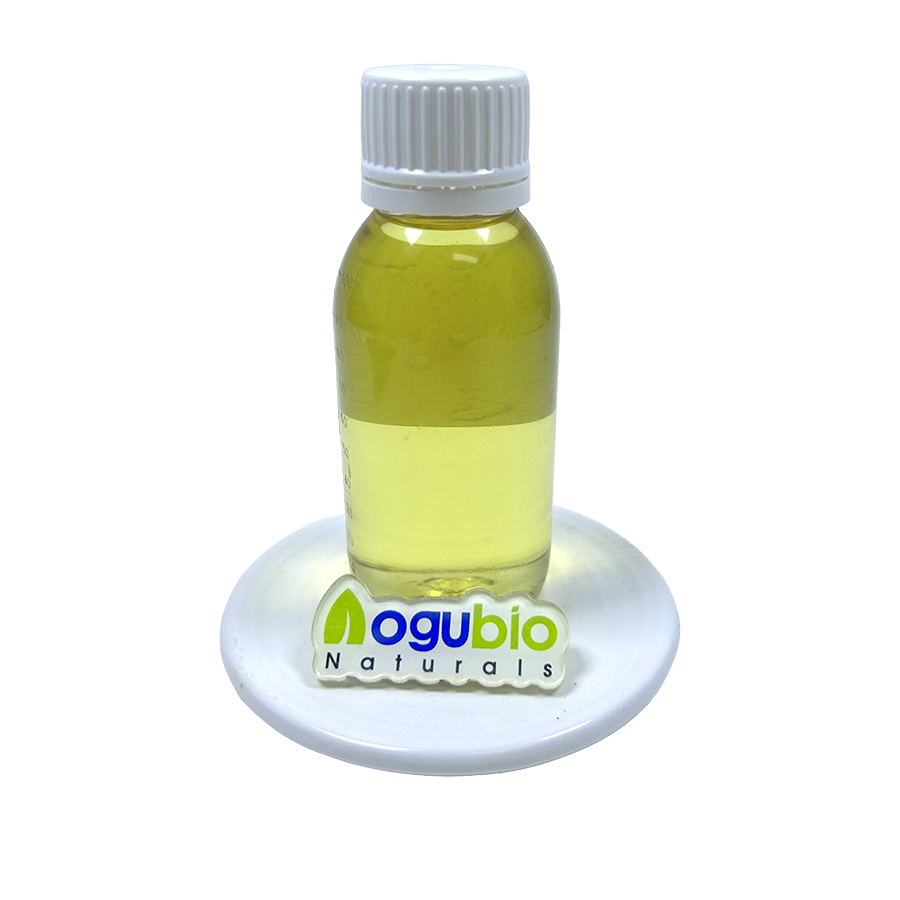
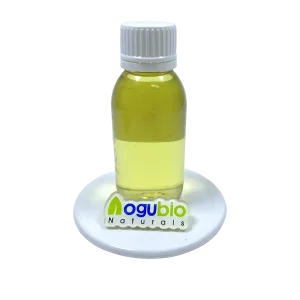
It is a light-yellow liquid. It is an oil-soluble organic compound that is insoluble in water but can be dissolved in organic solvents, which can make cosmetics have waterproof function.
It is a chemical sunscreen agent that absorbs ultraviolet light. It has a high molar absorptivity in the ultraviolet region due to the conjugation effect between the benzene ring and the carbonyl group. It can strongly absorb ultraviolet rays in the wavelength range of 280 - 320 nm (UVB), and also absorb a small amount of UVA rays.
Premium Octocrylene is formulated to deliver dual-action benefits as both a UVB filter and photostabilizer for sun care products. It enhances sunscreen stability while providing long-lasting UV protection in all formulations.
Shields the skin from sunburn, premature aging, and the risk of skin cancer caused by sun exposure.
Excellent stability; does not easily degrade when exposed to sunlight, ensuring long-lasting protection.
Improves the performance of other UV filters like avobenzone, enhancing overall sunscreen efficacy.
Compatible with lotions, creams, gels, and makeup without affecting sensory properties.
Enhances water resistance, allowing sunscreens to remain effective after swimming or sweating.
1 In China, the European Union, the United States, and Australia, the maximum allowable concentration of octocrylene used in cosmetics is 10%.
2 As an oil-soluble ingredient, it is usually added to the oil phase of cosmetics. It is dissolved by heating and stirring and then evenly mixed with other ingredients according to the normal production process.
Commonly used in various personal care and sun protection products:
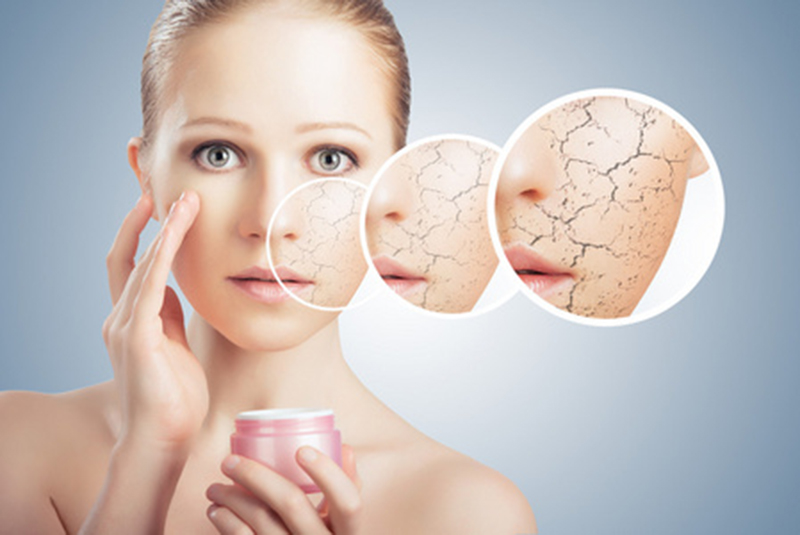
Used in sunscreens, lotions, and sprays to achieve high SPF and PA values.
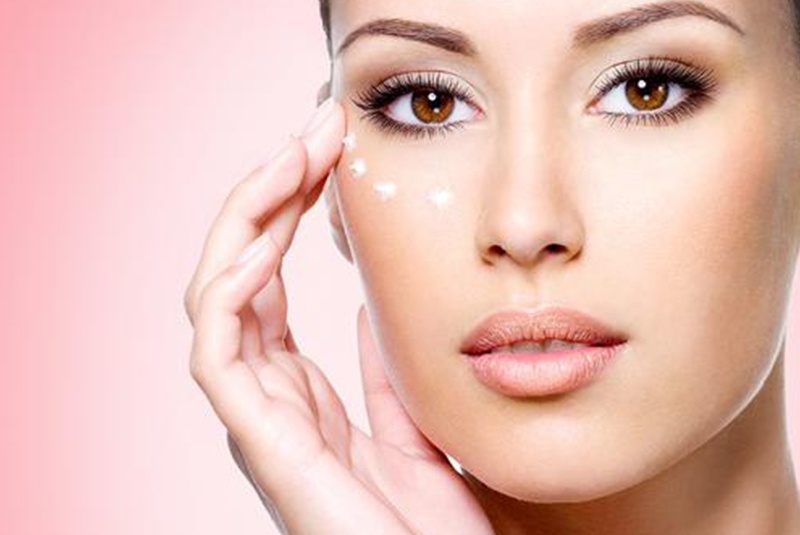
Added to BB creams, CC creams, and makeup primers for daily UV protection.
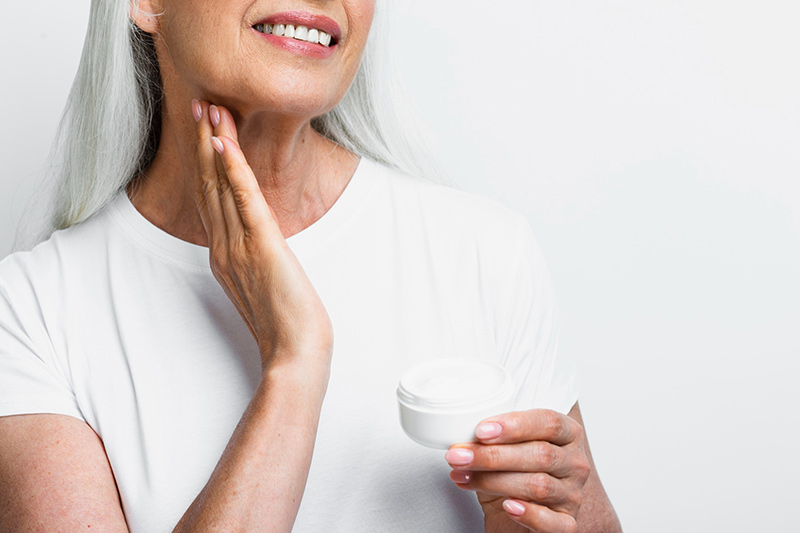
Used in lip balms, anti-aging creams, and hair conditioners for added protection.

Closed container, dry place, room temperature.

Not animal tested.

No animal-derived components.

No data available.
A: It primarily acts as a UVB filter (280-320nm) and a photostabilizer that prevents other UV filters like Avobenzone from breaking down when exposed to sunlight.
A: Yes, it is an oil-soluble liquid that is insoluble in water, which helps in formulating water-resistant and sweat-resistant sun care products.
A: In most major markets including China, the US, and the EU, the maximum allowable concentration is 10%.
A: Absolutely. It is highly compatible with various formulations and is frequently used in BB creams, CC creams, and makeup primers to provide UV protection.
A: Its primary strength is in the UVB range (280-320nm), but it does absorb a small amount of UVA rays as well.
A: It should be stored in a tightly closed container in a dry place at room temperature to maintain its stability and effectiveness.