 Aogebio Cosmetic
1 / 1
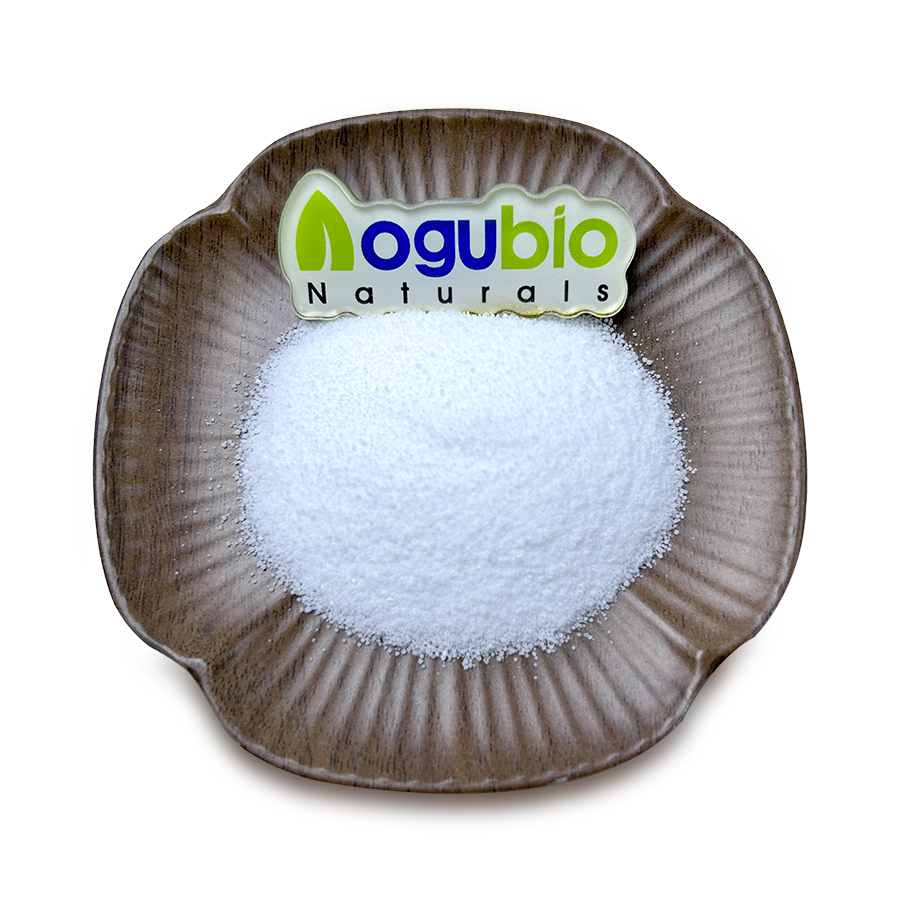
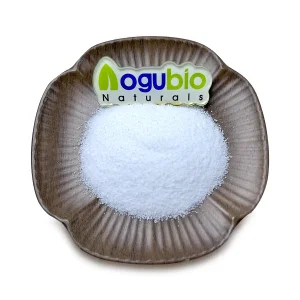
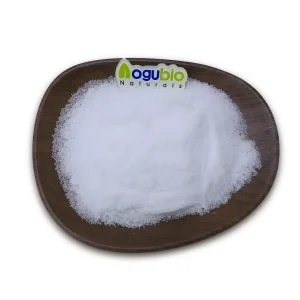
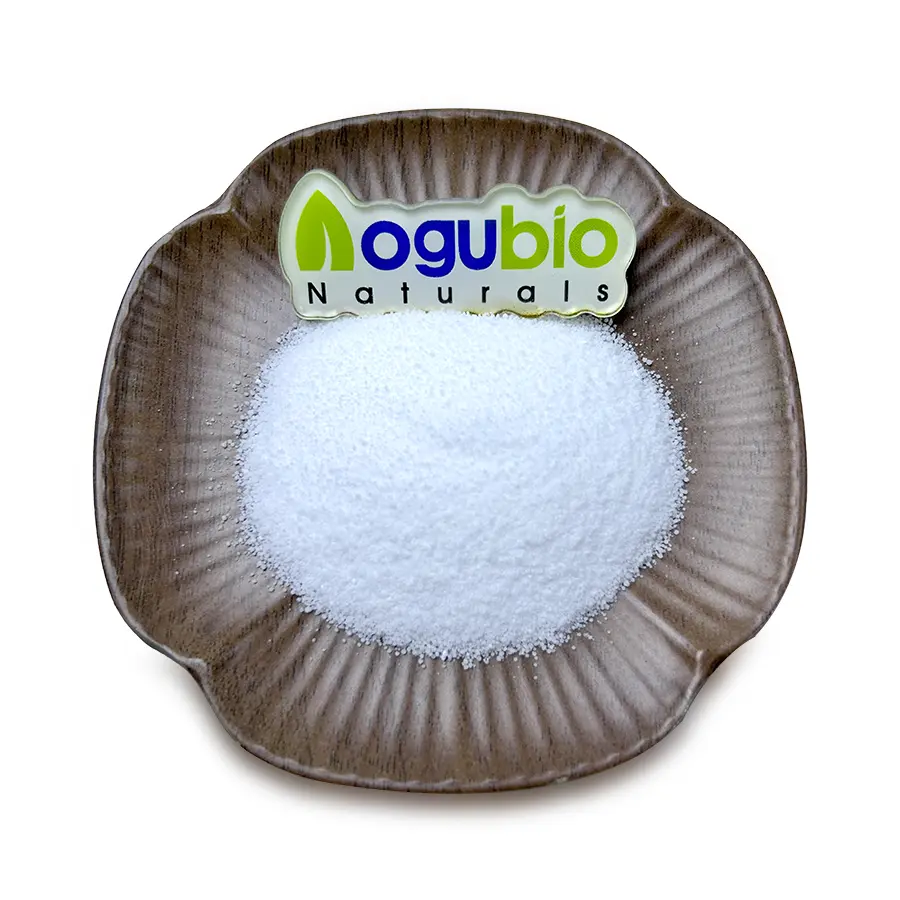
Ethylenediaminetetraacetic acid (EDTA) is a synthetic organic compound commonly used as a chelating agent. It can form stable complexes with metal ions, thereby effectively removing or neutralizing metal ions in water. EDTA is widely used in cosmetics and personal care products, mainly to improve product stability and extend shelf life.
Elevate your cosmetic formulations with premium EDTA, the industry-standard chelating agent that enhances product stability. Our cosmetic-grade EDTA effectively neutralizes metal ions, prevents oxidation, and boosts preservative efficacy in skincare, haircare, and personal care products.
EDTA is able to bind to metal ions, preventing them from reacting with other ingredients, thereby improving product stability.
By removing metal ions from water, EDTA can prevent discoloration and precipitation in cosmetics.
EDTA can improve the effectiveness of other active ingredients and ensure their stability and activity in the product.
In certain formulas, EDTA can help improve the texture of the product, making it easier to spread and absorb.
EDTA has certain antioxidant properties that can help protect products from oxidative damage.
Recommended Usage: The standard concentration of EDTA in cosmetics is usually 0.1% to 0.5%. This range is optimal for improving stability and preventing discoloration caused by metal ions.
It is commonly used in various personal care formulations including creams, lotions, shampoos, conditioners, makeup, and sunscreens.
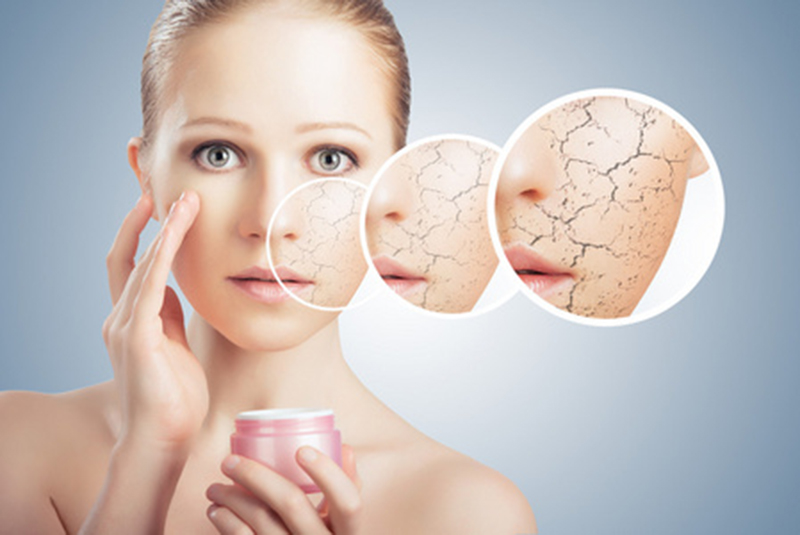
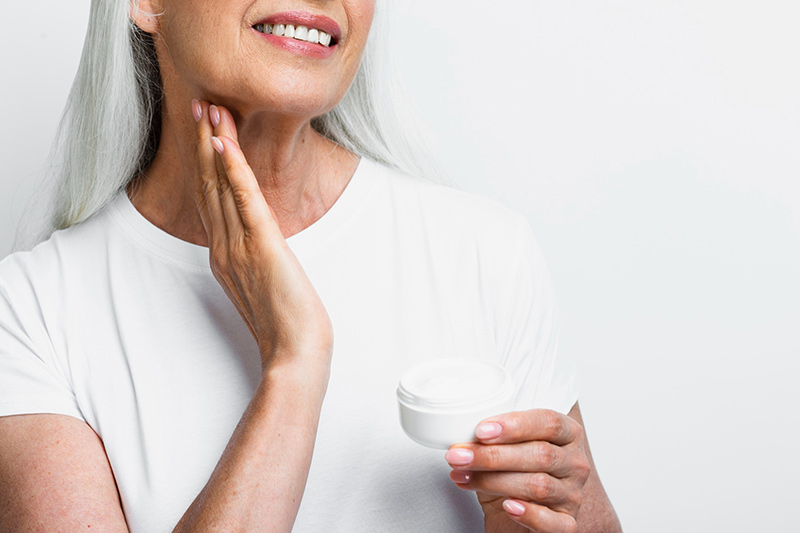
Creams, lotions, and masks to ensure stability.
Shampoos and conditioners to improve shine.
Foundations and shadows to prevent precipitation.
 Storage: Dry place, Room Temperature
 Animal Testing: Not Tested on Animals
 Vegan: Plant-based/Synthetic
 GMO: Non-GMO