 Aogebio Cosmetic
1 / 1
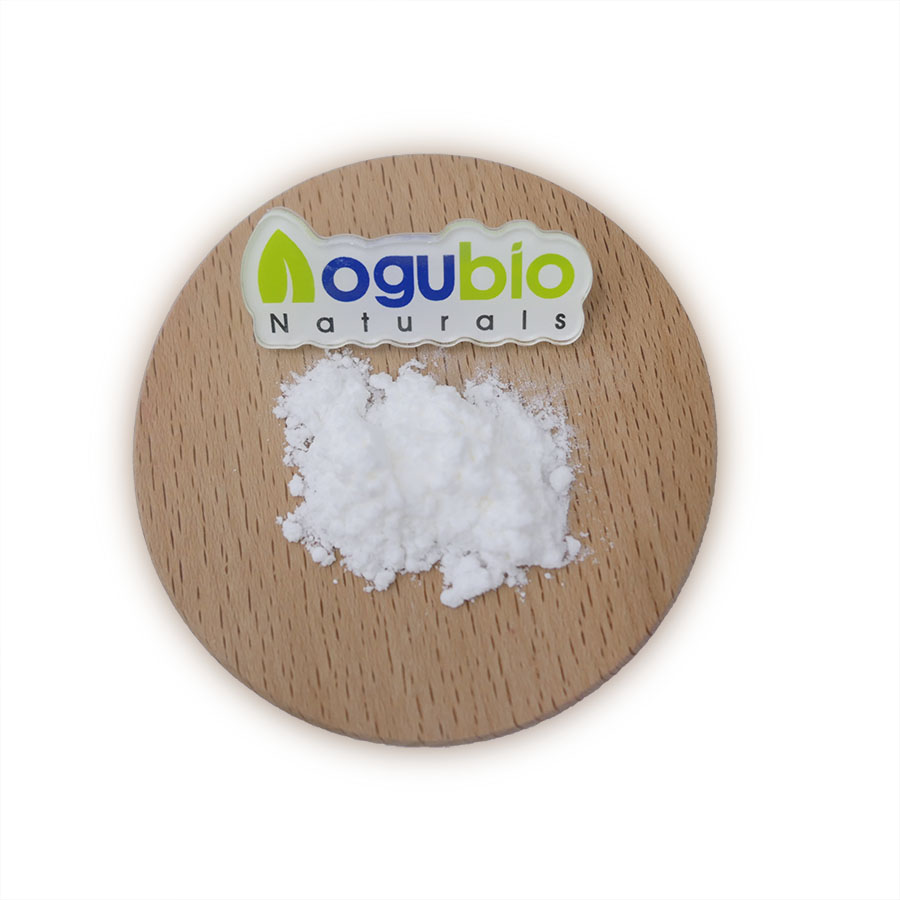
Ethylhexyl Triazone, also known as Octyl Triazone, is a highly effective organic UV filter commonly used in cosmetics and sunscreens. It helps prevent sunburn and photoaging by efficiently absorbing and dissipating harmful UV rays. Recognized for its safety and lightweight texture, it is frequently utilized in broad-spectrum sun protection formulations.
As an advanced UV filter, Ethylhexyl Triazone sets high standards in sun defense. This cosmetic active ingredient delivers photostable protection against UVB and UVA rays, which are primary contributors to premature skin aging.
Effectively absorbs UVB radiation to significantly reduce the risk of skin sunburn.
Demonstrates excellent chemical stability under sunlight and does not degrade easily.
Less irritating compared to other sunscreen agents, making it suitable for sensitive skin.
Leaves no white residue after application, making it perfect for all skin tones.
Maintains protective effects in water, ideal for swimming and sports activities.
Ethylhexyl Triazone is typically incorporated into sunscreens, moisturizers, and color cosmetics. The recommended usage concentration ranges from 2% to 10%, depending on the desired SPF level and specific formulation requirements.



Storage
Closed container, dry place, room temperature.

Animal Testing
Cruelty-free, not tested on animals.

Vegan Friendly
No animal-derived components.

GMO Status
Non-GMO data available.
A: Its primary function is as a chemical UV filter that specifically absorbs UVB radiation to protect the skin from sunburn and long-term DNA damage.
A: Yes, it is known for having a low irritation profile compared to many other organic UV filters, making it a preferred choice for sensitive skin formulations.
A: No, Ethylhexyl Triazone is highly transparent and integrates well into oil phases, leaving no white residue or chalky appearance on any skin color.
A: It is highly photostable, meaning it does not break down quickly when exposed to UV light, ensuring long-lasting protection throughout the day.
A: Absolutely. It is oil-soluble and has excellent water resistance, which makes it ideal for sports sunscreens and products meant for swimming or high-perspiration activities.
A: Depending on regional regulations and the desired SPF, it is typically used at concentrations between 2% and 10%.