Product Description
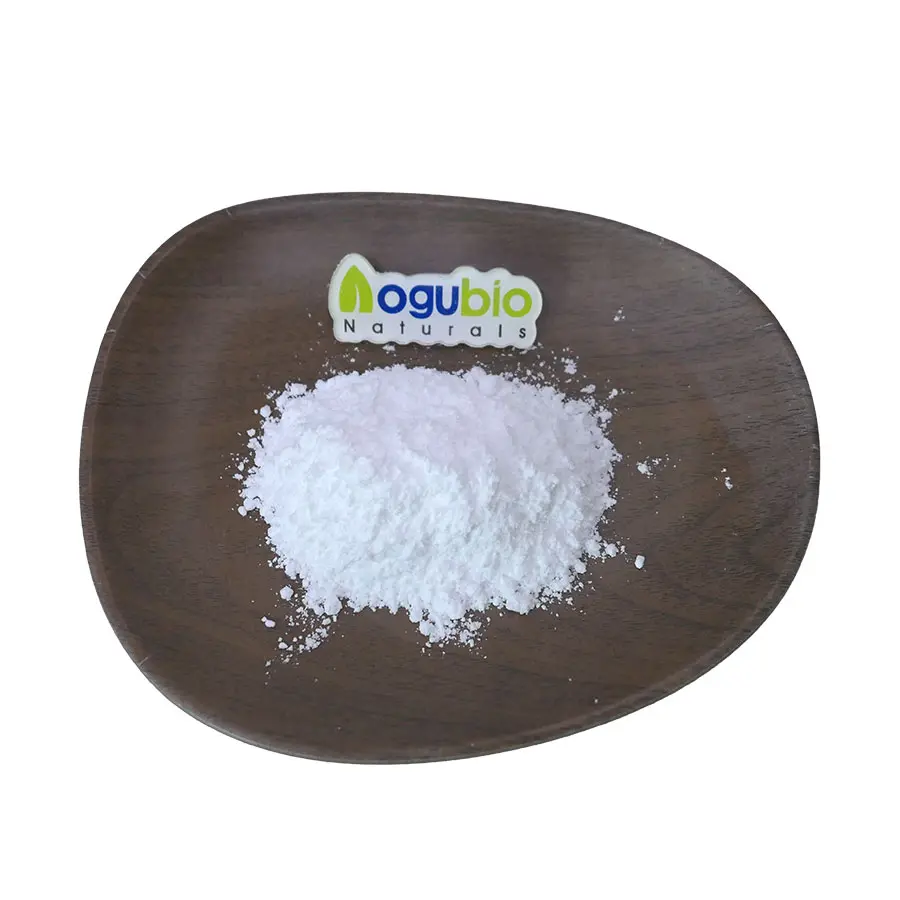
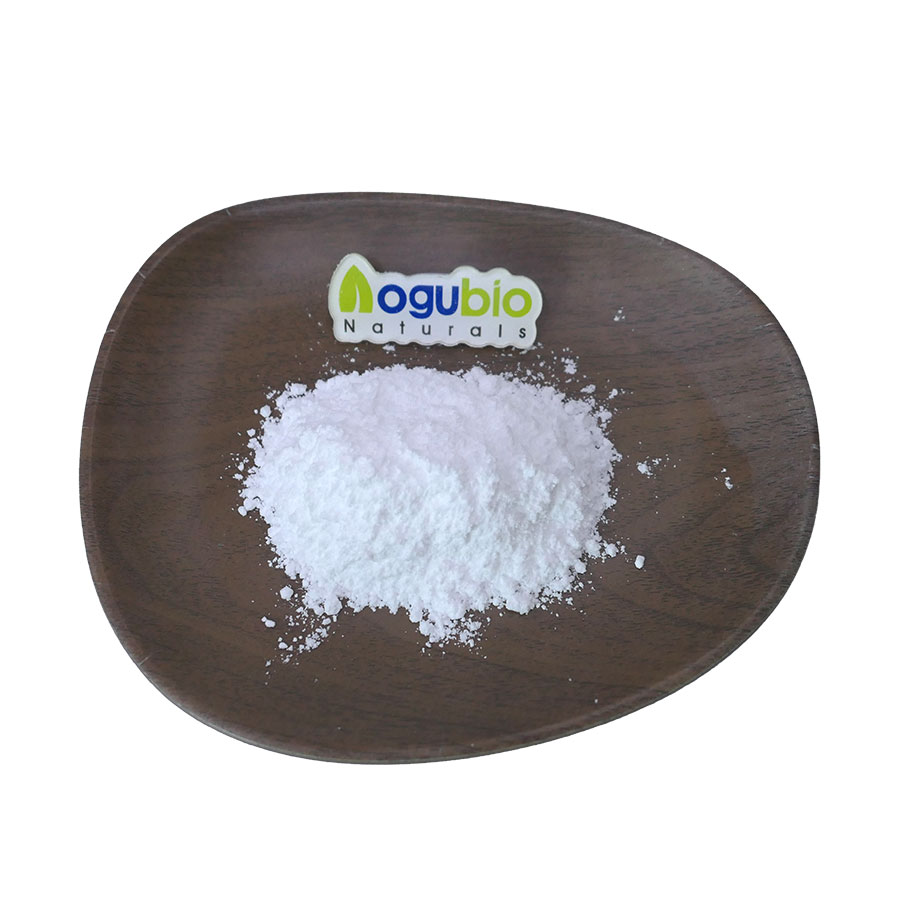
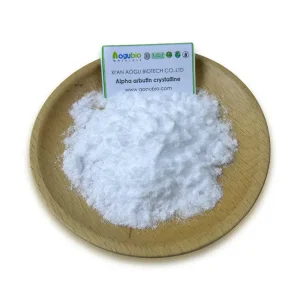
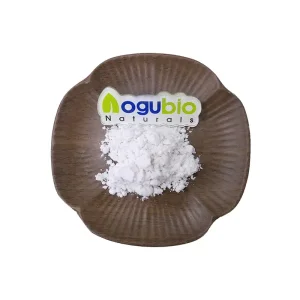
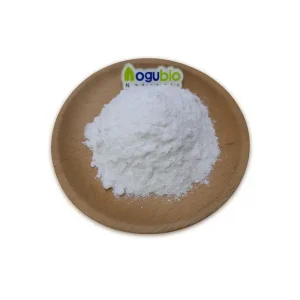
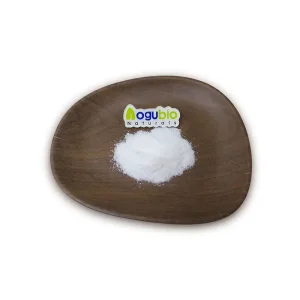
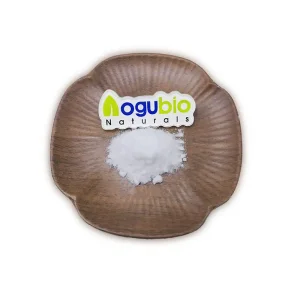
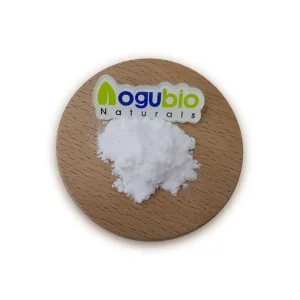
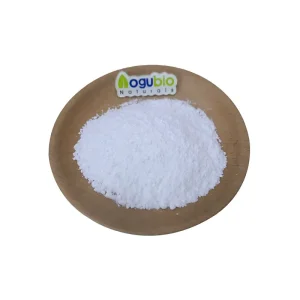
Dipotassium Glycyrrhizate is a dipotassium salt derivative of glycyrrhizic acid, an active ingredient extracted from the roots of licorice, modified through chemical processes. It appears as a white to off-white powder, highly soluble in water, with a mild odor and good stability, retaining activity across a broad pH range. Compared to glycyrrhizic acid itself, its potassium salt form offers superior water solubility and skin permeability, making it easier to incorporate and absorb in cosmetic formulations.
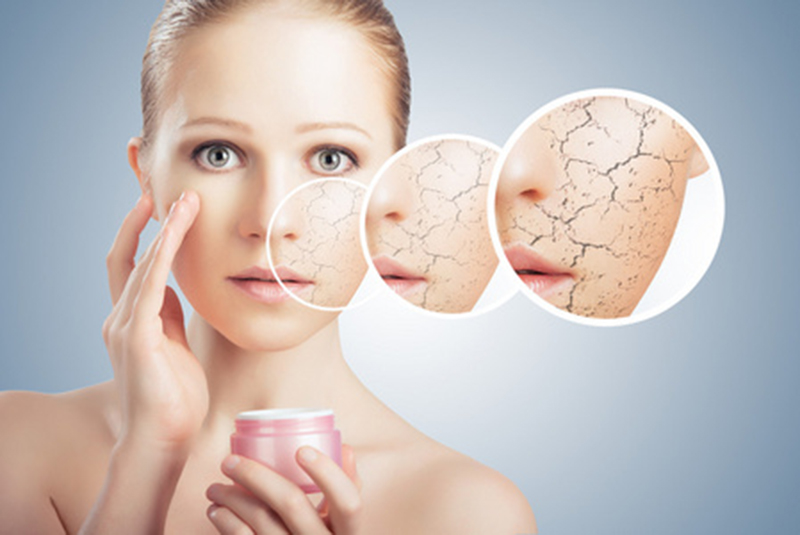
Derived from licorice root, Dipotassium Glycyrrhizate is a potent natural extract renowned for its calming, anti-redness, and skin-repairing properties. Ideal for sensitive, acne-prone, and irritated skin, this clinically backed ingredient reduces inflammation, strengthens the skin barrier, and enhances moisture retention.
As a key active in serums, creams, and masks, Dipotassium Glycyrrhizate is widely used in K-beauty and clean beauty formulations for its gentle yet effective performance. High-purity extract ensures superior stability and efficacy, making it a dermatologist-recommended choice for brands formulating soothing, anti-aging, and post-treatment skincare products.
Trusted by cosmetic manufacturers globally, Dipotassium Glycyrrhizate meets international safety standards while delivering visible redness reduction and skin comfort. Elevate your formulations with this must-have natural ingredient for healthier, balanced skin.
Benefits
🛡️
Anti-inflammatory & Soothing
Its core benefit lies in inhibiting enzymes associated with skin inflammatory responses, reducing redness, itching, and burning sensations caused by skin irritation—ideal for sensitive or barrier-damaged skin.
✨
Anti-irritant & Repairing
Alleviates skin irritation from UV exposure, harsh ingredients, or environmental factors. It helps strengthen the skin barrier, reducing transepidermal water loss.
🌟
Brightening & Whitening
Inhibits tyrosinase activity to reduce melanin production, aiding in improving uneven skin tone, dullness, and post-acne marks for a gentle brightening effect.
🧪
Antioxidant
Possesses free radical-scavenging properties, delaying skin aging caused by oxidation (e.g., fine lines, roughness).
Usage & Dosage
Typically added at 0.05%–2% in cosmetics, with adjustments based on product efficacy:
Basic soothing products: 0.1%–0.5%
Sensitive skin or repair-focused products: 0.5%–1%
Whitening or anti-inflammatory enhanced products: 1%–2%
(Note: Please refer to regional regulations as some areas may have specific concentration limits.)
Applications
It is commonly used in facial creams, serums, lotions, and masks.
Skincare Products
Toners, serums, lotions, and creams for sensitive skin.
Cleansing Products
Mild facial cleansers, amino acid-based cleansers.
Cosmetics
Primers, sunscreens and skin feel improvers.
Storage
Closed container at dry place, room temperature.
Animal Testing
Not animal tested
Vegan
No animal-derived components
Frequently Asked Questions
What is the primary source of Dipotassium Glycyrrhizate?
It is a dipotassium salt derivative of glycyrrhizic acid, which is naturally extracted from the roots of the licorice plant (Glycyrrhiza glabra).
Is Dipotassium Glycyrrhizate suitable for sensitive skin?
Yes, it is highly recommended for sensitive skin due to its potent anti-inflammatory and soothing properties, which help reduce redness and irritation.
How does it benefit acne-prone skin?
It helps by reducing the inflammation associated with acne and can assist in fading post-acne marks through its gentle brightening effects.
What is the recommended dosage for skincare formulations?
The typical usage concentration ranges from 0.05% to 2%, depending on the desired efficacy, such as basic soothing (0.1%-0.5%) or intensive repair (0.5%-1%).
Can it be used in sun care products?
Absolutely. It is often added to sunscreens to help alleviate skin irritation caused by UV exposure and to enhance the overall skin-feel of the formulation.
Is this ingredient vegan and cruelty-free?
Yes, the product does not contain animal-derived components and has not been tested on animals, making it suitable for vegan and cruelty-free beauty brands.
 Aogebio Cosmetic