 Aogebio Cosmetic
1 / 1
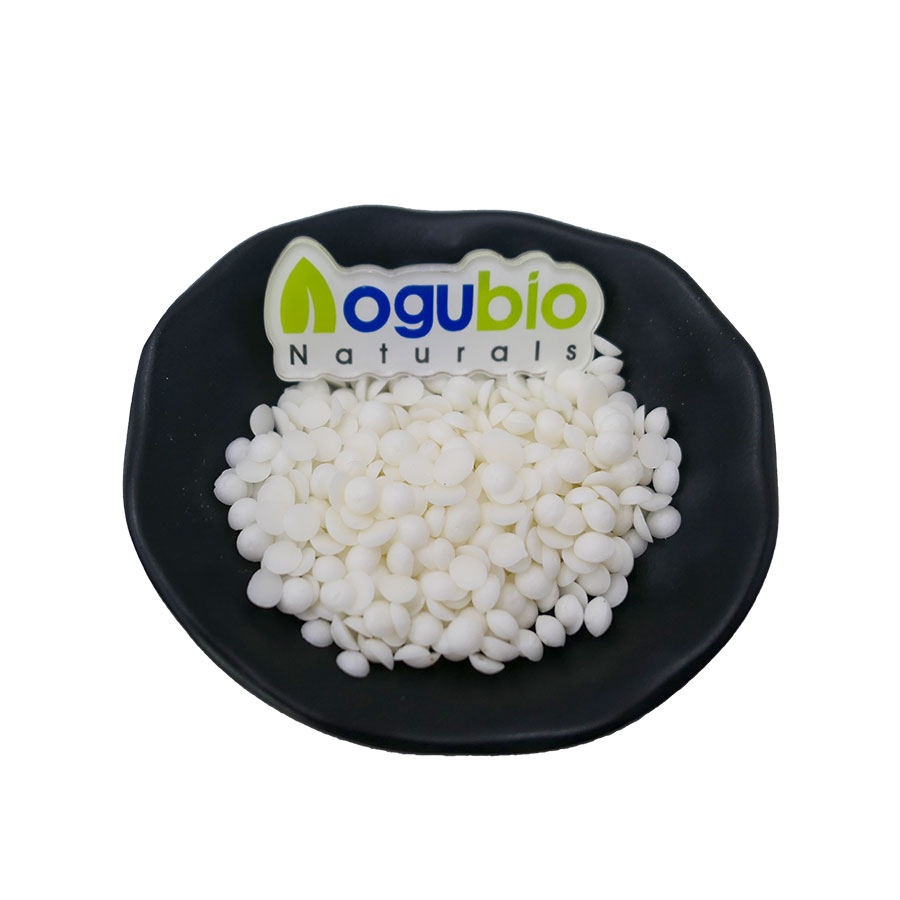
Protects oils, butters, and sensitive ingredients from degradation.
Maintains product freshness and efficacy for longer durations.
Reduces scent breakdown and pigment fading.
Commonly used in facial serums, body oils, and facial balms.
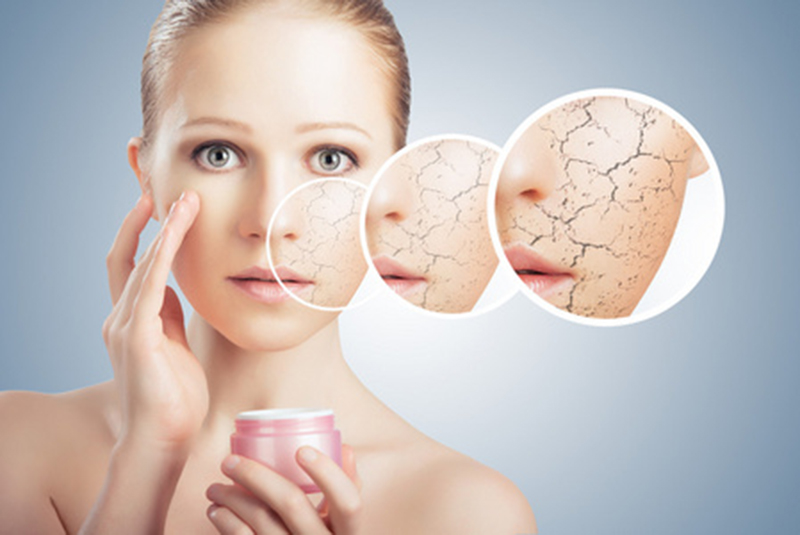
Protects vitamins (A, C, E), squalane, and plant oils from oxidation.
Stabilizes oil-soluble UV filters to prevent degradation, which can reduce SPF efficacy.
Maintains the stability of oil-based pigments and emollients, preventing separation or discoloration.
Protects fatty acid-rich ingredients in hair products, preventing texture and odor changes.


A: BHA acts as a powerful synthetic antioxidant and preservative, primarily used to prevent oil-based products from becoming rancid and to stabilize sensitive active ingredients.
A: It is most effective in anhydrous (water-free) or oil-based formulations like serums, lipsticks, and balms because it is lipophilic (fat-soluble).
A: Typical concentrations range between 0.005% and 0.02%. It is important to stay within regulatory limits, such as the 0.1% to 0.15% maximum for leave-on products in many regions.
A: It stabilizes oil-soluble UV filters, preventing them from breaking down when exposed to light, which helps maintain the overall SPF efficacy of the product.
A: Yes, BHA often works synergistically with other antioxidants like BHT and Vitamin E to provide a more robust defense against oxidative stress.
A: Yes, the BHA provided is synthetic and does not contain any animal-derived components, making it suitable for vegan-friendly formulations.