 Aogebio Cosmetic
1 / 1
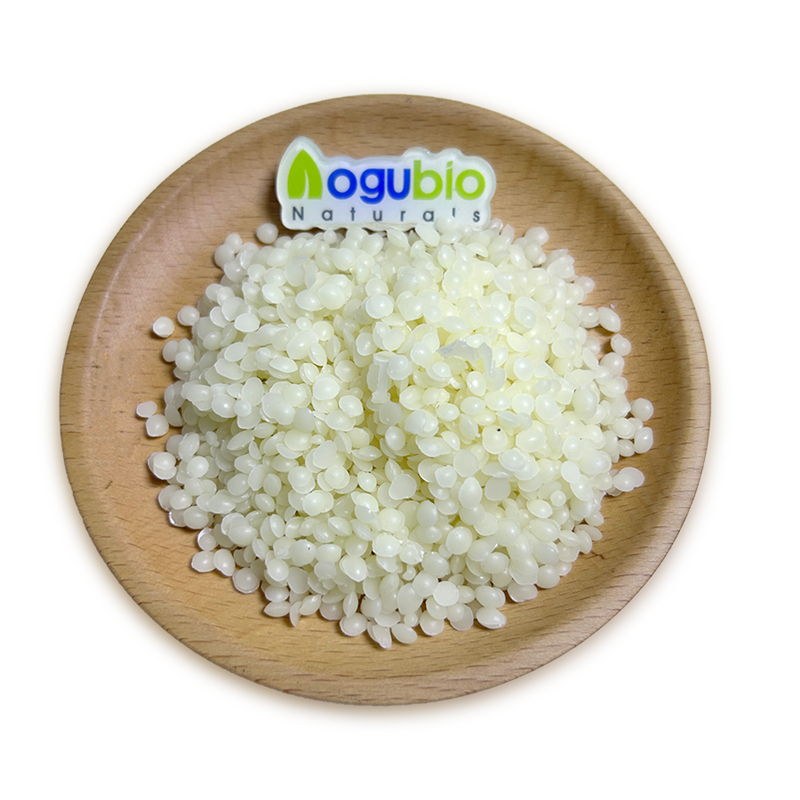
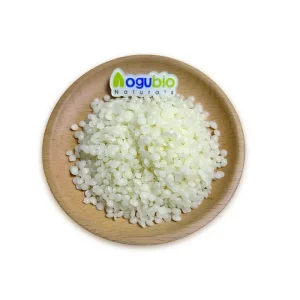
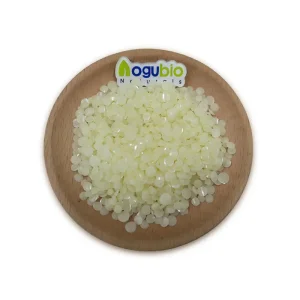
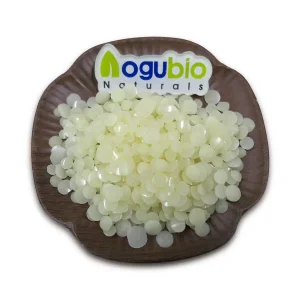
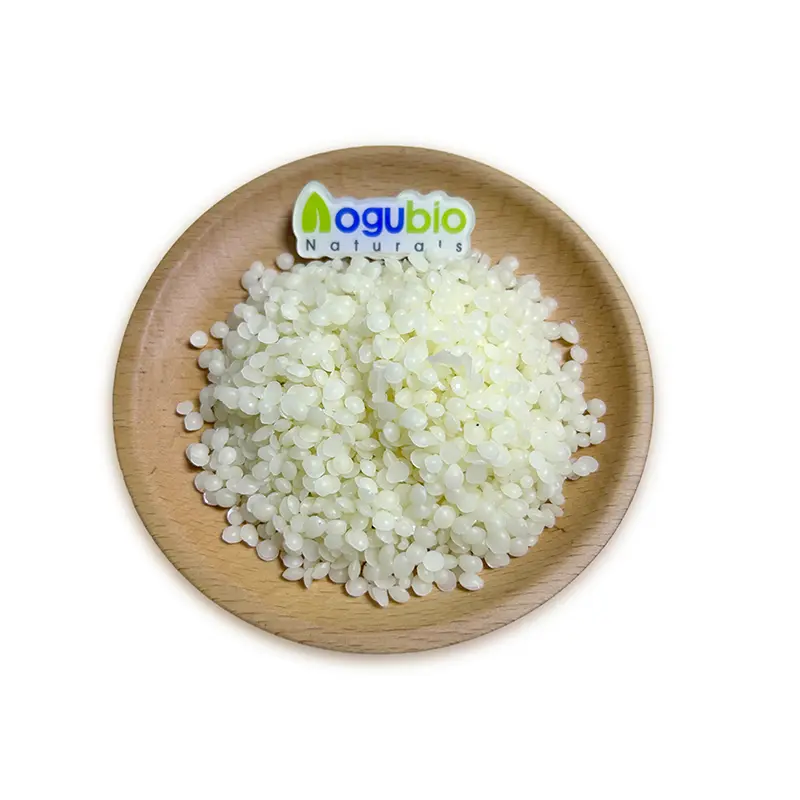
Beeswax, a remarkable natural wax meticulously crafted by honeybees, serves as the cornerstone for constructing honeycombs. Beyond its crucial role in the hive, this versatile substance has earned a prominent place in various industries, especially in cosmetics and skincare, thanks to its exceptional waterproofing, molding, and emulsifying properties.
In the cosmetics industry, beeswax's waterproofing capabilities make it a sought-after ingredient. It forms a protective, breathable barrier on the skin's surface, shielding it from moisture loss and environmental aggressors while allowing the skin to breathe. This makes it ideal for lip balms, sunscreens, and other products that require long-lasting protection. For instance, in lip balms, beeswax locks in moisture, preventing dryness and chapping, ensuring lips stay soft and hydrated throughout the day.
The molding properties of beeswax are equally impressive. Its ability to hold shape and provide structure is invaluable in the production of solid cosmetics like lipsticks, crayons, and solid perfumes. By acting as a binding agent, beeswax gives these products their form, ensuring they maintain their integrity and are easy to apply.
As a natural emulsifier, beeswax plays a vital role in blending oil and water components in skincare formulations. It stabilizes emulsions, preventing the separation of ingredients and ensuring a smooth, homogeneous texture in creams, lotions, and ointments.
It can form a protective film on the skin to prevent water loss and keep the skin moisturized.
It has good chemical stability and can maintain the stability of formulations in various products.
As a natural product, it is generally well-tolerated by the skin and has a low risk of irritation and allergy.
Typical use level: 2-40%
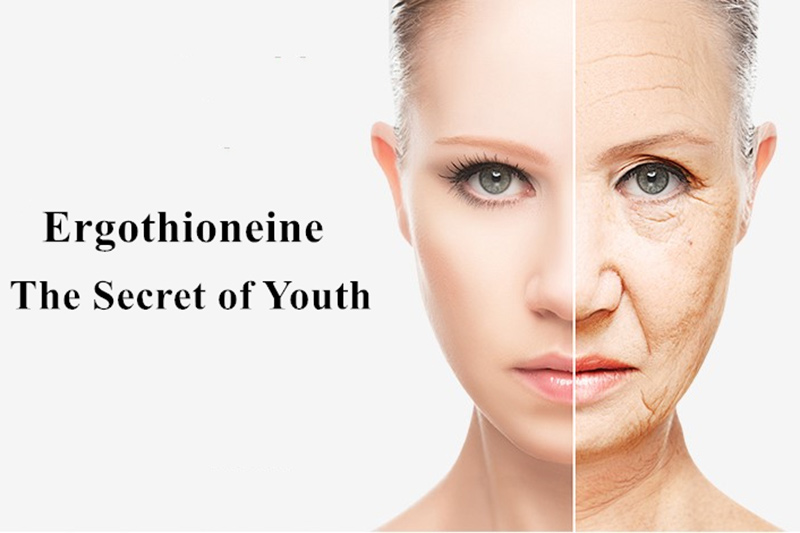
Used in creams, lotions, lip balms, and ointments for its moisturizing and protective properties.
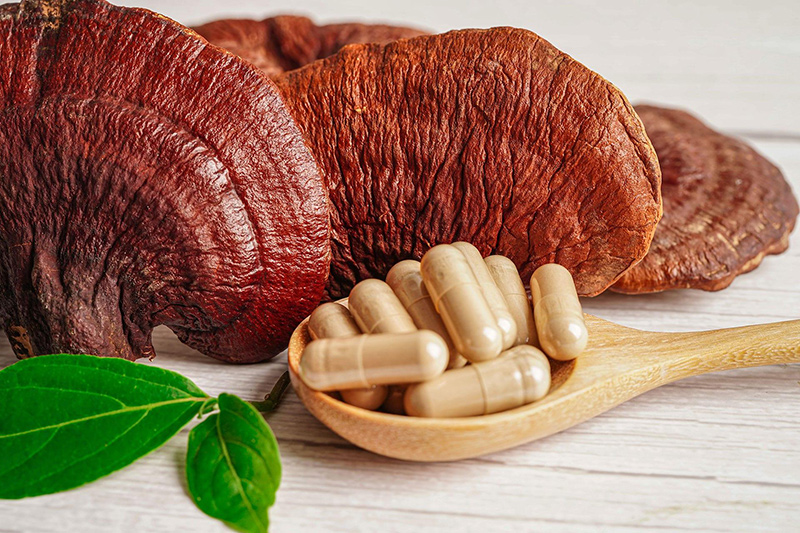
Acts as a food additive (E901) for glazing and coating.
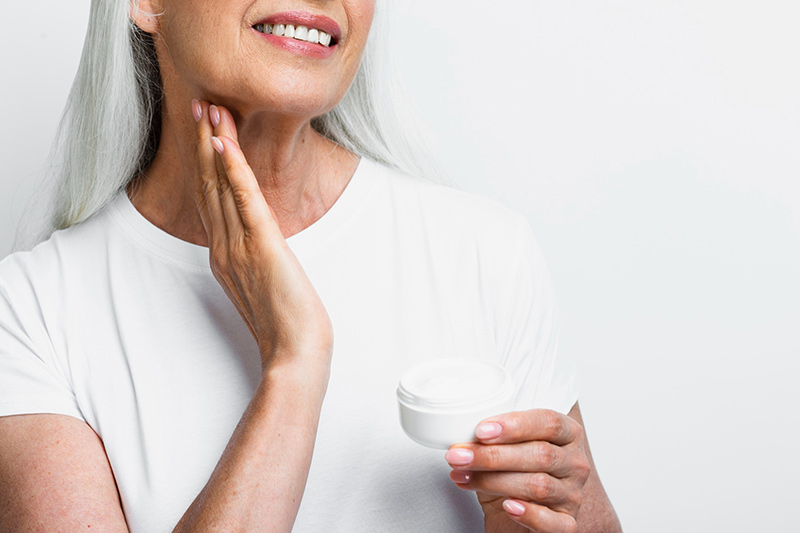
Used in ointments and as a base for various medicinal preparations.
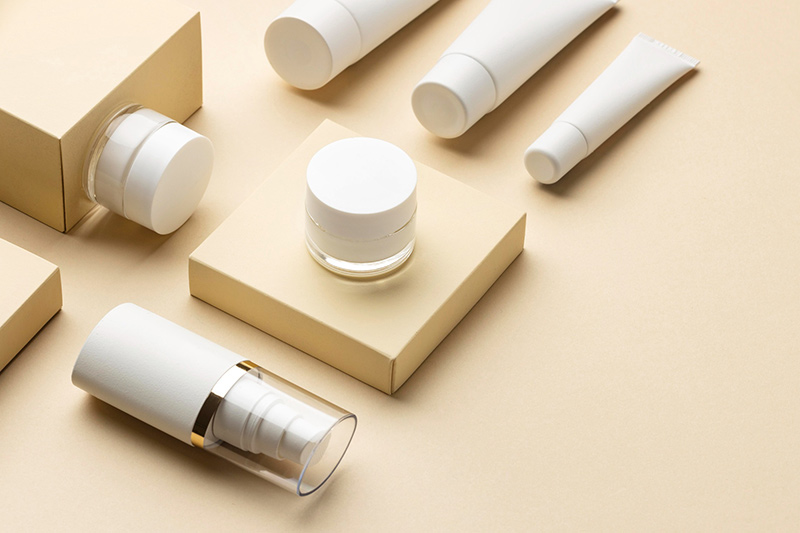
A popular material for making natural candles due to its clean-burning properties.
Used in various DIY projects, including furniture polish and leather conditioning.
 Storage: Closed container, dry place, room temperature.
 Animal Testing: Not animal tested.
 Vegan: No animal-derived components.
 GMO: No data available.
Beeswax acts as a waterproofing agent, a structural binder for molding products, and a natural emulsifier that stabilizes oil and water mixtures.
Yes, beeswax is used in the food industry as a glazing and coating agent, often identified as food additive E901.
It forms a protective and breathable barrier on the skin's surface, locking in moisture and shielding the lips from environmental damage.
As a natural substance, it is generally well-tolerated and has a low risk of causing irritation or allergic reactions.
Typical usage levels range from 2% to 40% depending on the desired consistency and application of the final product.
It should be stored in a closed container in a dry place at room temperature to maintain its physical and chemical properties.