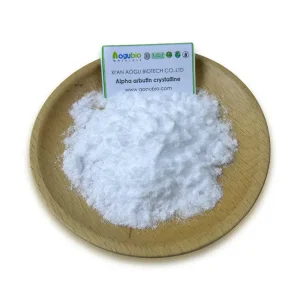
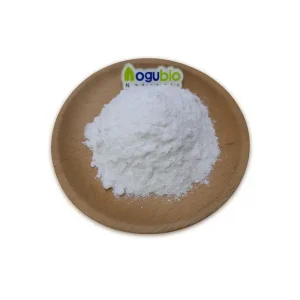
 Aogebio Cosmetic
1 / 1
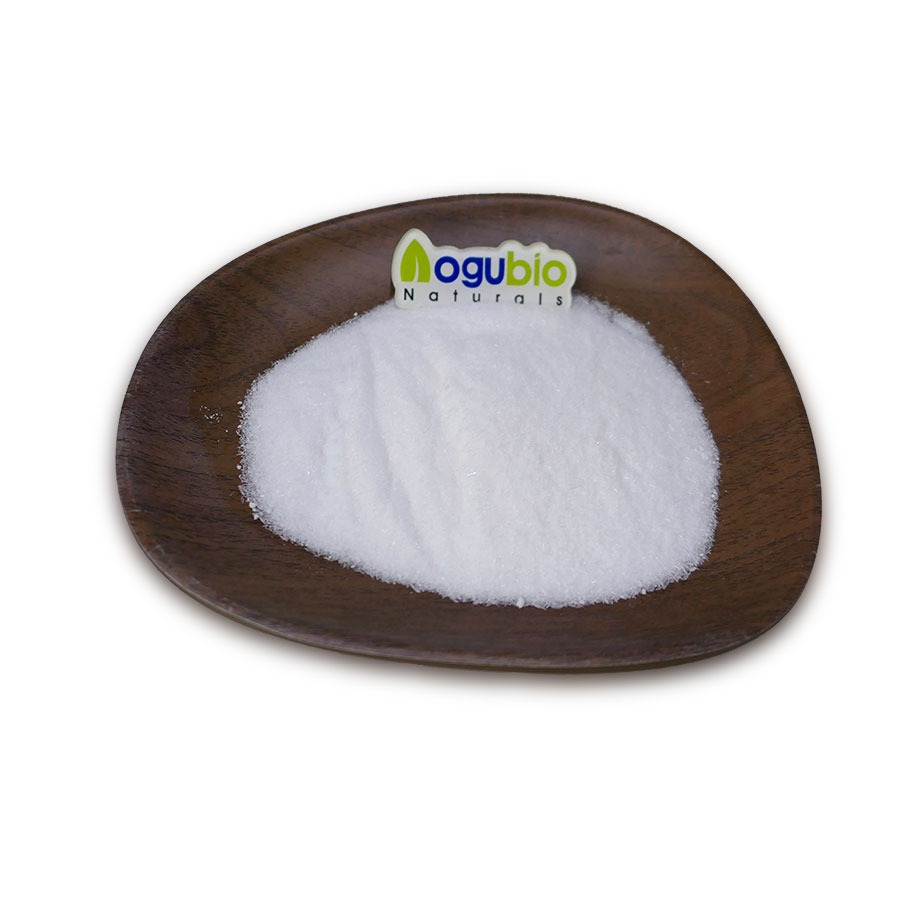
Overcomes the drawbacks of pure vitamin C, which is prone to oxidation. It remains stable across a pH range of 3.0–6.0 and can withstand temperatures up to around 80°C.
Soluble in water and slightly soluble in oils, offering better skin permeability than pure vitamin C, allowing it to penetrate the dermis more efficiently.
Significantly less irritating than pure vitamin C, with a near-neutral pH, making it suitable for sensitive or barrier-weakened skin.
Targets hyperpigmentation for radiant results.
Fights signs of aging and improves skin elasticity.
No rapid oxidation, ensuring product efficacy over time.
Perfect for daily use in all skin types, including sensitive skin.
Skincare Products

Anti-Aging Products

Sunscreen Products

Closed container in a dry place at room temperature.

Not animal tested.

No animal-derived components.

No data available.
A1: It is a highly stable, etherified derivative of Vitamin C that offers excellent skin penetration and brightening effects.
A2: Unlike pure L-ascorbic acid, it is highly stable against light and heat, has a balanced solubility, and is much gentler on the skin.
A3: For whitening and spot-lightening results, a concentration of 1% to 2% is typically recommended.
A4: Yes, its near-neutral pH makes it significantly less irritating than pure Vitamin C, making it suitable for all skin types.
A5: Absolutely. It enhances UV protection and assists in post-sun repair when added to sunscreen formulations.
A6: It should be stored in a closed container in a cool, dry place at room temperature to maintain its maximum efficacy.