 Aogebio Cosmetic
Skin Active Bio-Ingredients in Tropical Eco-Systems
1. Antigua & Barbuda Market Dynamics: Hospitality, Spas, and Local Manufacturing
Located in the heart of the Leeward Islands, Antigua and Barbuda presents a unique intersection of high-end tourism, luxury resort-based dermatology, and a growing domestic demand for advanced dermal treatments. The local skin physiology is continuously subjected to a high UV index (often exceeding 11+ year-round), elevated relative humidity, and constant exposure to saline trade winds. These factors precipitate specific skin pathologies, including:
- Photo-induced Melasma and Solar Lentigines: Demanding hyper-targeted tyrosinase inhibitors that do not cause phototoxicity.
- Trans-Epidermal Water Loss (TEWL): Driven by saline environments, necessitating high-potency humectants and barrier recovery agents.
- Inflammatory Acne Vulgaris: Aggravated by humidity-induced sebum oxidation, requiring stable sebum-regulating actives.
For resort spas in Jumby Bay, Carlisle Bay, and local clean-beauty start-ups based in St. John's, sourcing active ingredients that maintain structural integrity in tropical climates is not just a preference; it is a critical commercial requirement.
2. Tropical Skin Adaptation: Active Ingredient Calibration
Traditional cosmetic active ingredients are frequently designed for temperate climates, rendering them unstable under intense solar heat and humidity. For instance, pure L-Ascorbic Acid (Vitamin C) oxidizes rapidly in aqueous solutions when exposed to temperatures exceeding 25°C, turning a formulation brown and rendering it pro-oxidant.
Stabilization Vector Recommendation
For Caribbean formulation development, we recommend replacing volatile pure actives with highly stable derivatives such as Sodium Ascorbyl Phosphate (SAP) or Magnesium Ascorbyl Phosphate (MAP). These molecules are esterified to protect the active hydroxyl groups, releasing the free Vitamin C within the enzymatic layers of the epidermis rather than on the product shelf.
Furthermore, the incorporation of oil-soluble Vitamin C (such as Tetrahexyldecyl Ascorbate) allows for deeper lipid-membrane penetration, countering the natural sebum barrier that thickens in response to warm Caribbean climates.
3. Hyperpigmentation Mechanism Analysis: A Scientific Comparison
Melanogenesis occurs within the basal layer of the epidermis, catalyzed by the rate-limiting enzyme tyrosinase. Controlling this pathway without causing localized depigmentation (vitiligo-like effects) requires raw materials with highly controlled molecular structures.
| Active Ingredient | Mechanism of Action | Stability at Heat (30°C+) | Recommended pH Range |
|---|---|---|---|
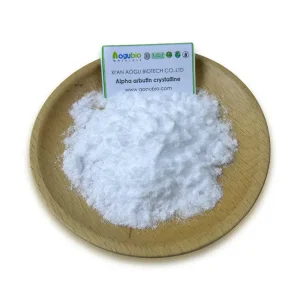
| Alpha-Arbutin | Reversible competitive tyrosinase inhibition (Locks melanogenesis) | Excellent (Stable up to 45°C) | 3.5 - 6.5 |
| Tranexamic Acid | Blocks plasminogen pathway to inhibit melanocyte-keratinocyte interactions | Superior | 3.0 - 8.0 |
| Kojic Acid Dipalmitate | Inactivates tyrosinase by chelating copper ions; esterified for stability | High (Much more stable than pure Kojic Acid) | 4.0 - 7.0 |
| Azelaic Acid | Selectively targets hyperactive melanocytes, anti-inflammatory | Very High | 4.0 - 5.5 |
4. Supply Chain Logistics: St. John's Port & Cold-Chain Integration
As a prominent global exporter of raw cosmetic bio-actives, Aogebio has developed optimized logistics pipelines for the Caribbean region. Importing bulk dry ingredients such as Niacinamide or Salicylic Acid into Antigua & Barbuda requires specialized packaging to prevent moisture clumping.
- Moisture Mitigation: All powders are double-sealed in food-grade, vacuumed aluminum foil bags with active desiccants.
- Thermal Barrier Transit: Liquid-grade actives (such as D-Erythrulose) are shipped in temperature-regulated containers to preserve structural conformation.
- Documentation Transparency: Pre-cleared documentation (Certificate of Analysis, Material Safety Data Sheets, and Phytosanitary Certificates) ensures zero-delay processing at the Antigua and Barbuda Customs and Excise Division.
5. Regulatory Framework: CARICOM Harmonization & Global Standards
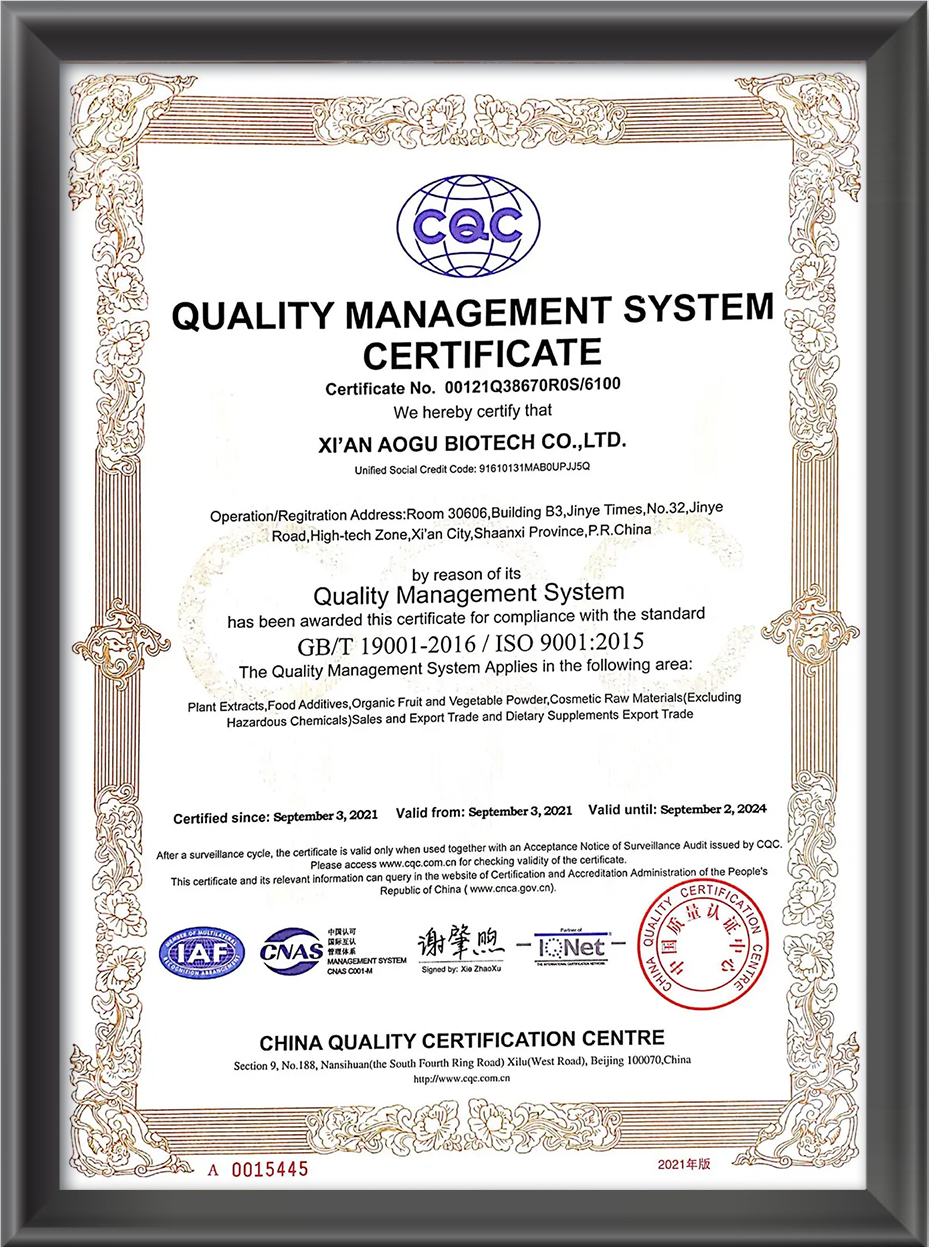
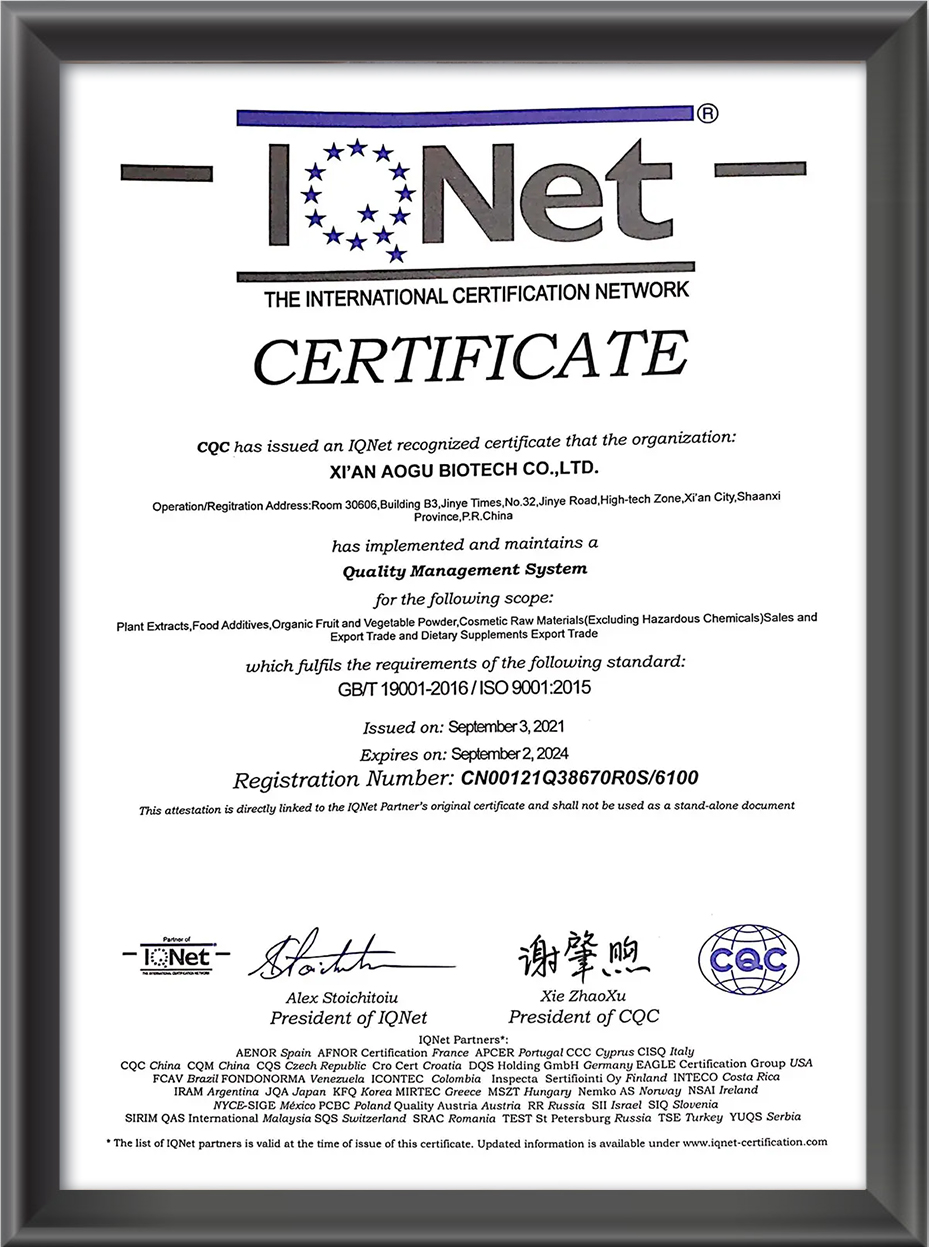
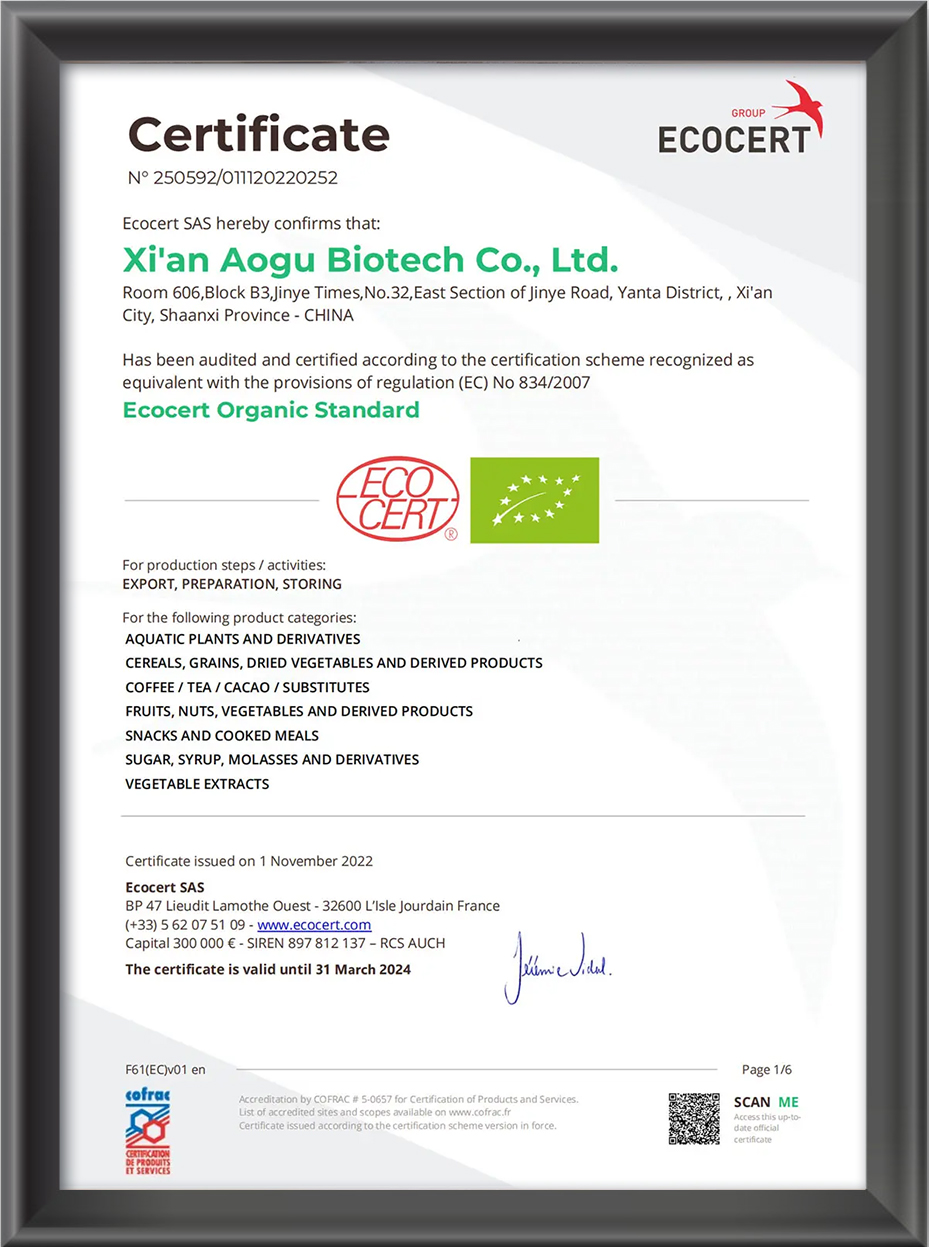
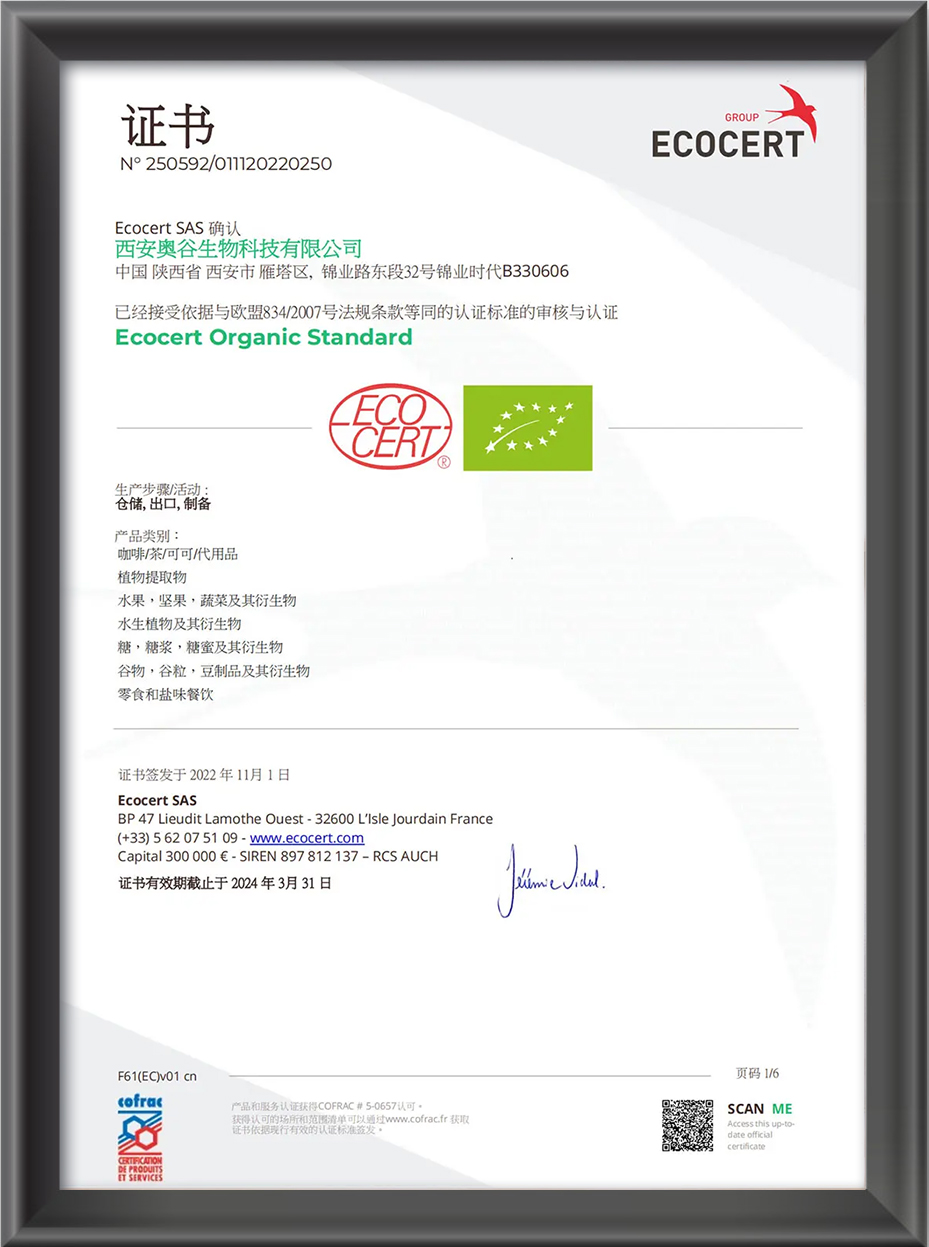
The Caribbean Community (CARICOM) is moving towards a unified cosmetics standard under CROSQ (CARICOM Regional Organisation for Standards and Quality). Aogebio ensures that all provided skin active ingredients fully comply with the European Union's Cosmetic Regulation (EC No. 1223/2009) and the US FDA Guidelines, ensuring local manufacturers in Antigua and Barbuda can export their finished formulations worldwide with complete regulatory peace of mind.