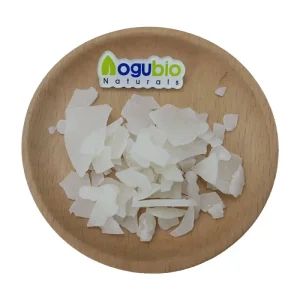
Premium grade cosmetics emulsifiers engineered for resilient personal care formulations in high humidity regions.
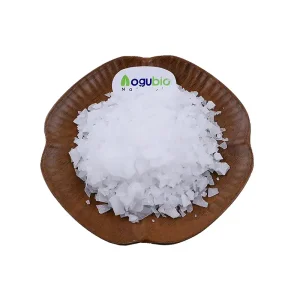
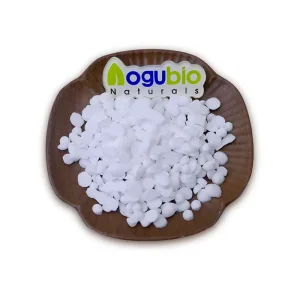
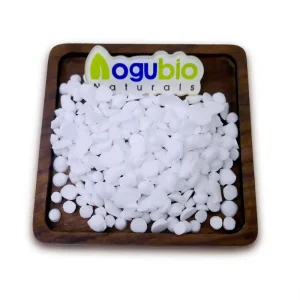
The cosmetics market in Micronesia, and specifically Kiribati (comprising the Gilbert, Line, and Phoenix Islands), presents unique formulating and supply-chain challenges. Located directly on the equator, Kiribati exhibits a tropical rainforest climate characterized by high temperatures (persistently averaging 28°C to 32°C), high relative humidity, and constant exposure to UV radiation. Local cosmetic product development focuses heavily on hydration, barrier protection, sun care, and marine-friendly eco-profiles. For cosmetic manufacturers aiming to capture this market, selecting the correct cosmetic emulsifier is critical to ensuring emulsion stability, preventing phase separation, and optimizing dermal absorption under tropical conditions.
Standard emulsions are highly prone to physical degradation, coalescing, and creaming when exposed to sustained thermal stress. In Kiribati, where transportation and storage infrastructure may lack continuous climate-controlled refrigeration, products must remain stable at temperatures exceeding 35°C.
To combat this, modern formulations utilize a combination of high hydrophilic-lipophilic balance (HLB) primary emulsifiers (such as Ceteareth-20 or Polysorbate 60) coupled with low-HLB co-emulsifiers and structuring agents (such as Cetearyl Alcohol or Cetyl Alcohol). This multi-phase liquid crystal network increases the viscosity of the continuous phase, locking oil droplets in a rigid 3D crystalline lattice that resists thermal phase inversion.
Kiribati is home to one of the world's largest marine protected areas, the Phoenix Islands Protected Area (PIPA). Due to the direct impact of personal care wash-off products on coral reefs, the regulatory and consumer landscape is shifting rapidly towards biodegradable raw materials.
Sorbitan-based emulsifiers (such as Sorbitan Stearate, Sorbitan Palmitate, and Sorbitan Oleate) are plant-derived, fully biodegradable, and free from ethoxylation (PEG-free). Implementing these non-ionic green emulsifiers allows cosmetic companies to market "reef-safe" and "eco-friendly" certifications, matching local consumer consciousness and national environmental goals.
Kiribati possesses abundant local agricultural assets, particularly coconut oil (copra). Sustainable cosmetic brands often seek to combine imported specialty emulsifiers with locally sourced coconut derivatives to generate native product profiles.
Sorbitan Laurate and Polysorbate 20 are highly effective at solubilizing and stabilizing medium-chain triglycerides (MCTs) present in coconut oil, yielding lightweight, fast-absorbing body milks and hair care treatments. These formulas maintain a non-greasy sensory profile, crucial for customer satisfaction in hot, humid climates where heavy creams feel uncomfortable on the skin.
For Remote markets like Kiribati, supply chain interruptions and transit delays can compromise production schedules. Importing from a manufacturer that utilizes Factory 4.0 paradigms ensures consistent batch quality, precise shelf-life predictions, and high production output.
Our manufacturing facilities feature fully automated extraction and synthesis lines, continuous process monitoring (reducing batch-to-batch variation), and real-time logistics tracking. With a monthly production output of approximately 50 tons, we maintain structural resilience that buffers against global shipping delays, ensuring that cosmetic brands targeting Pacific hubs always receive fresh, high-stability raw materials.
Founded in 2013 and headquartered in the prestigious high-tech zone of Xi'an, Xi'an Aoge Biotech Co., Ltd., along with its subsidiaries Xi'an Imaherb Biotech Co., Ltd. and Xi'an Nahanutri Biotech Co., Ltd., has established itself as a leading force in the cosmetics raw materials industry.
Our expansive cooperative factory, spanning 1,000 mu (approximately 165 acres), is equipped with state-of-the-art extraction technology. This advanced infrastructure allows us to manufacture a wide array of premium cosmetic raw materials. Our product line includes natural plant extracts specifically designed for organic cosmetics, as well as synthetic ingredients for high-end skincare formulations. These raw materials serve as the foundation for a multitude of skincare, haircare, and makeup products, ensuring superior quality and efficacy throughout the entire production process.
Our in-house lab uses advanced instruments like UPLC, HPLC, GC-MS, ICP-MS for quality control, ensuring raw materials meet strict international standards. At Aogebio, innovation, quality, and sustainability are the bedrock of our corporate philosophy.
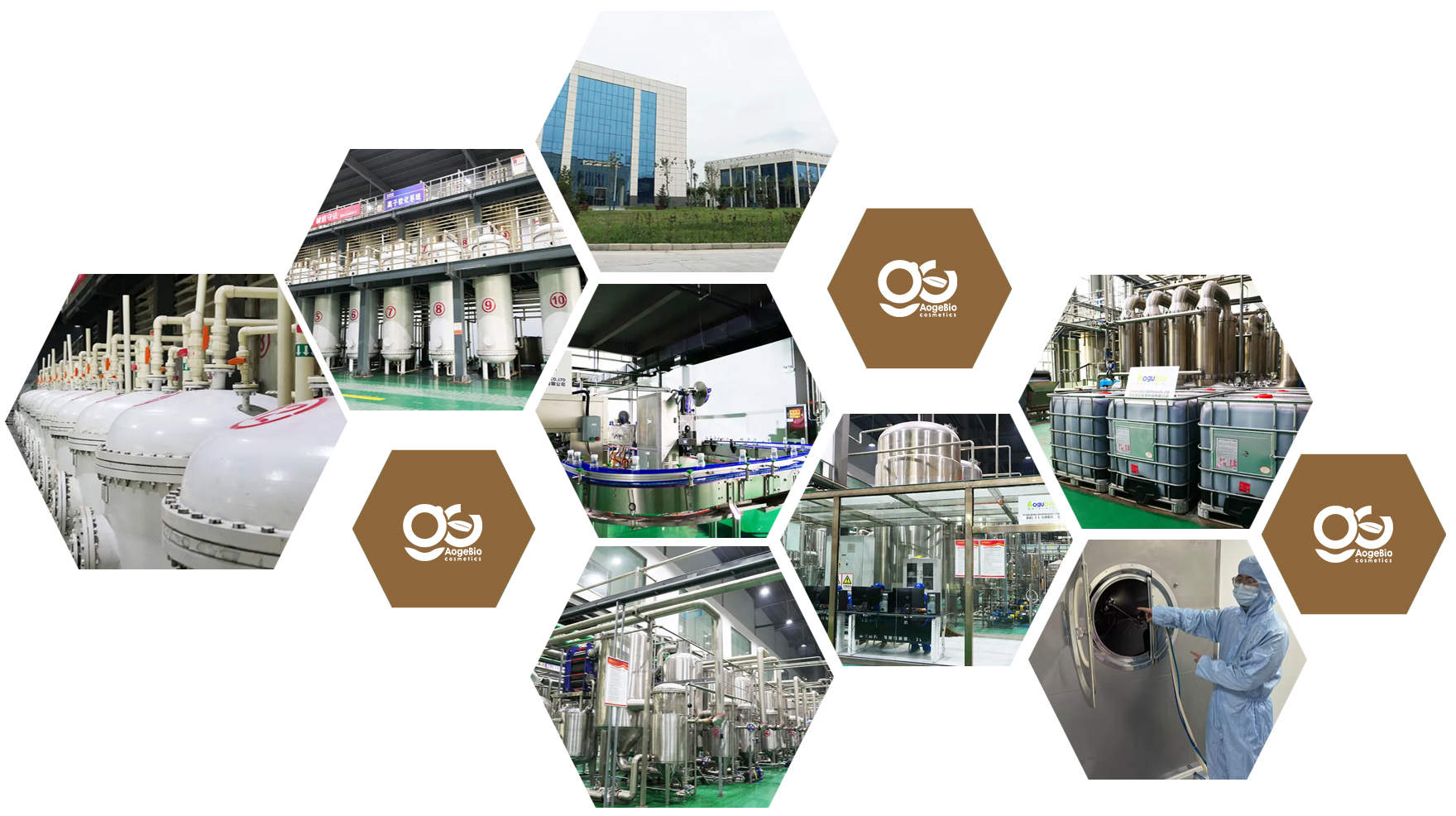
Rigorous quality control is embedded in every step of our production process, from raw material sourcing to final product delivery, guaranteeing that each item adheres to the most stringent international standards.
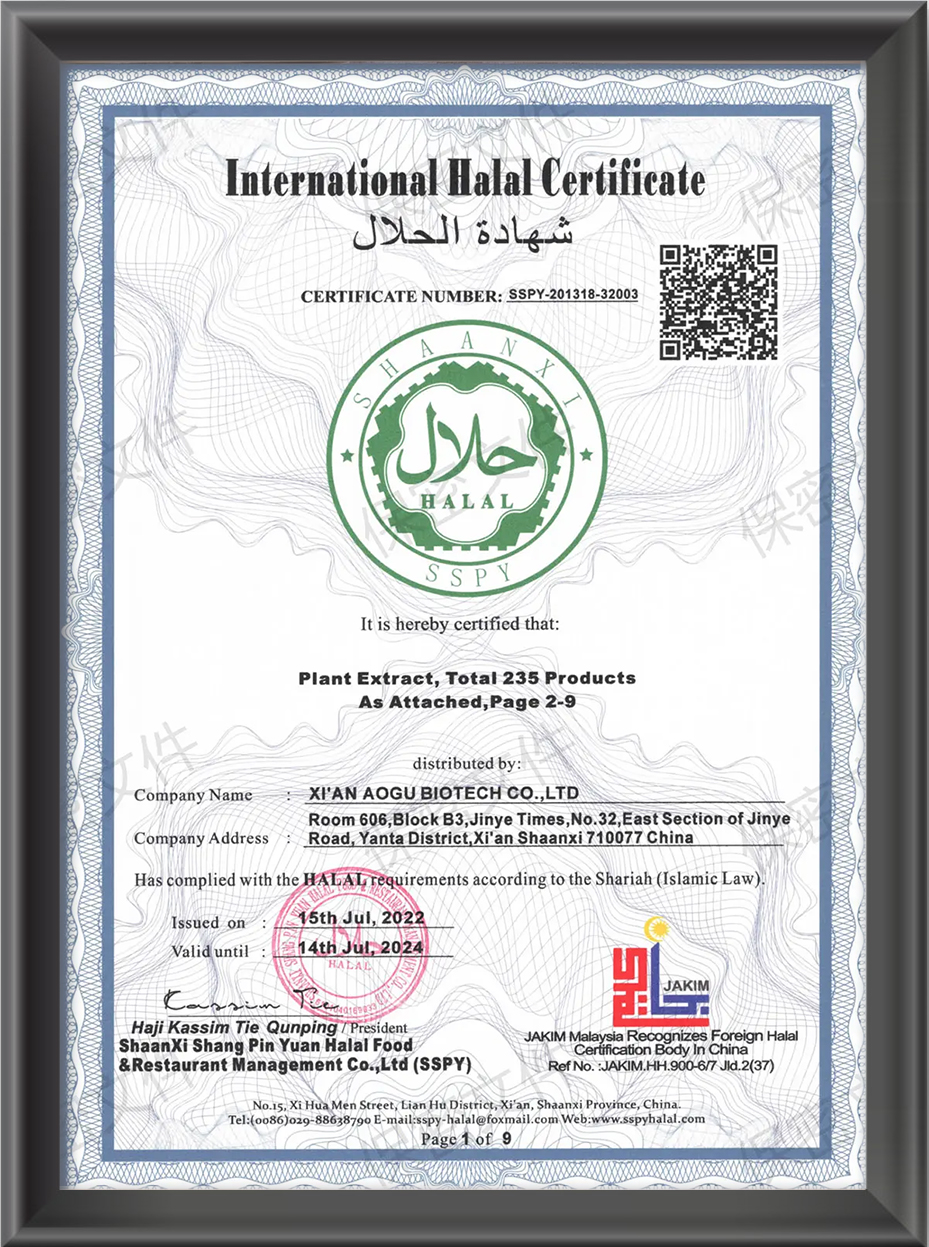
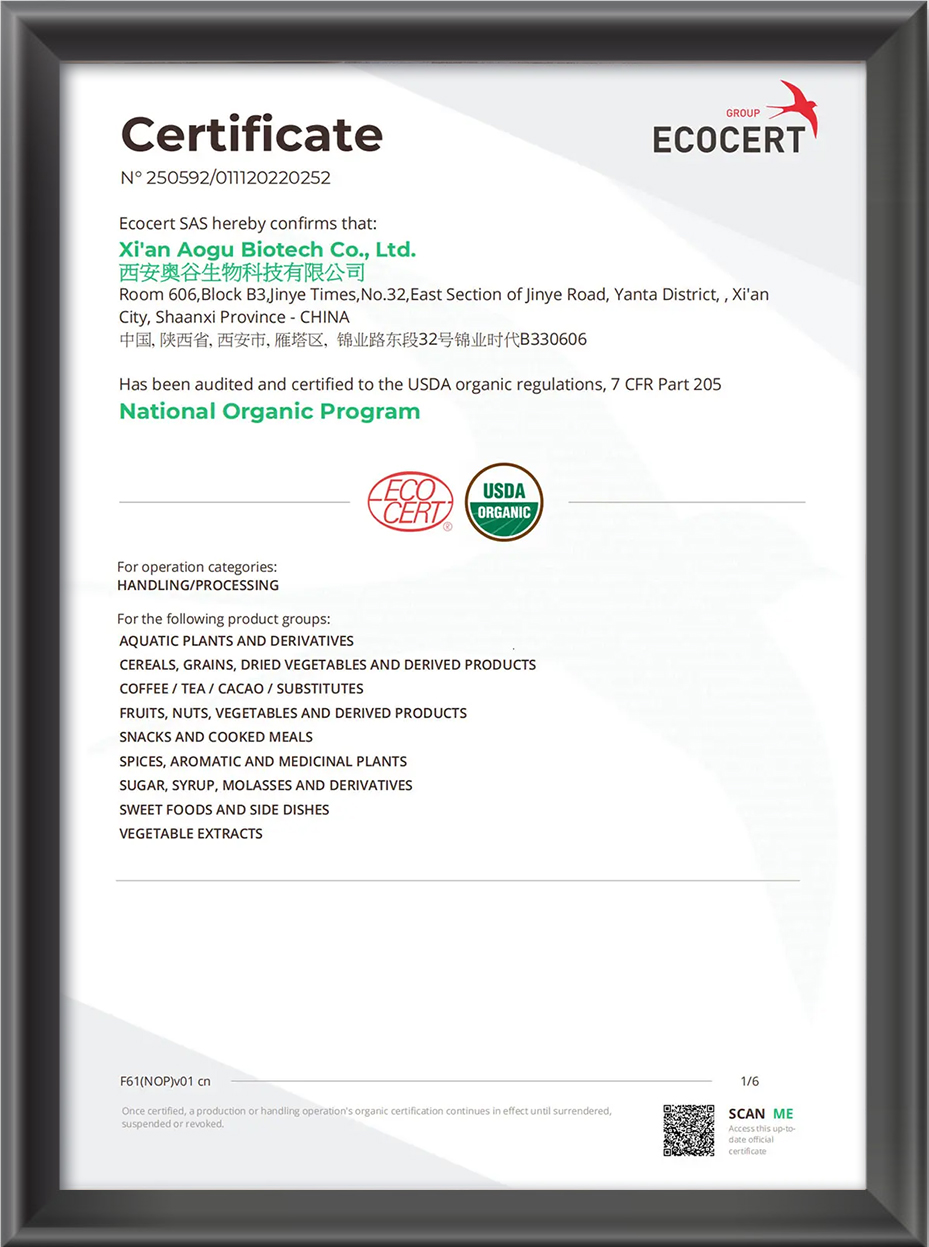
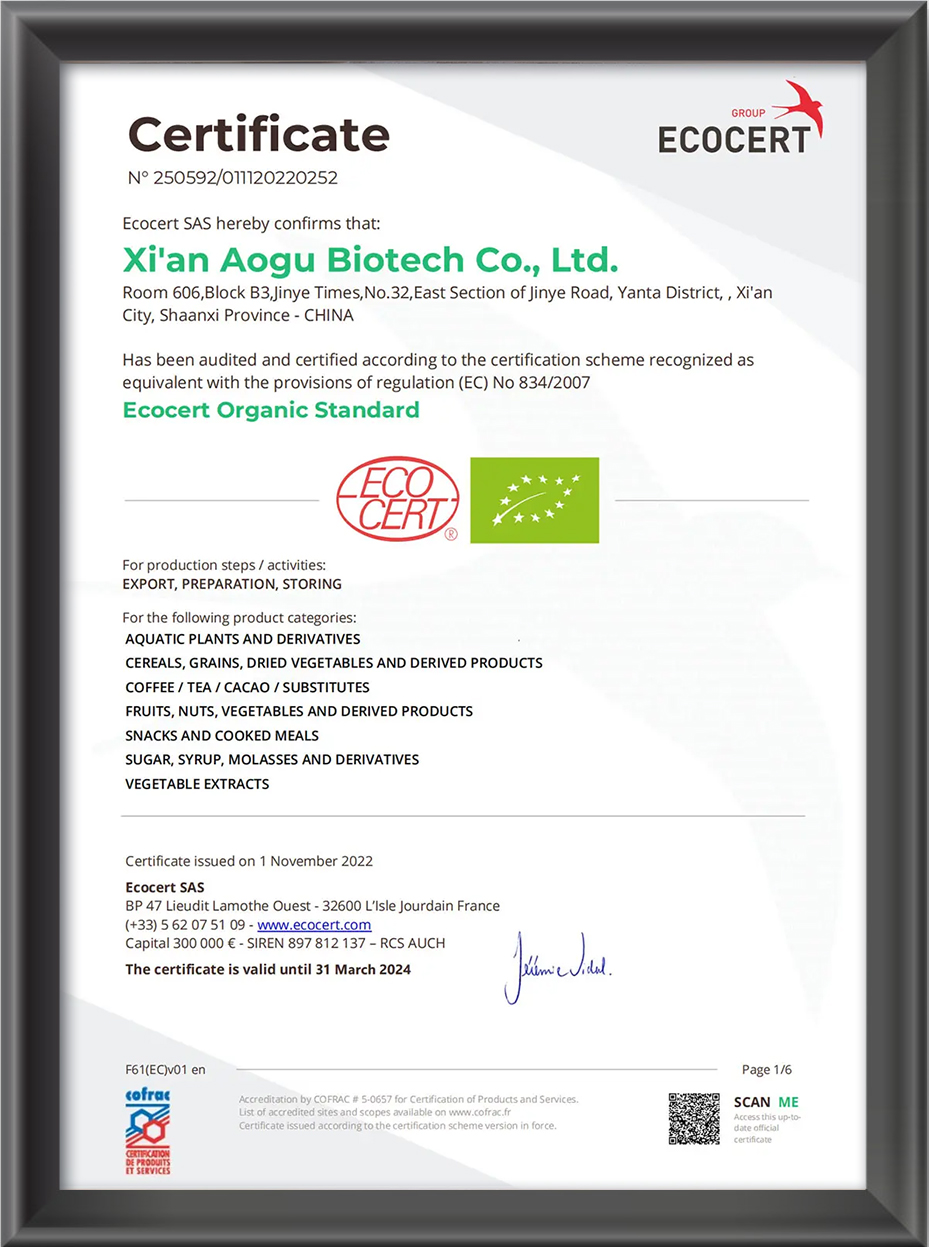
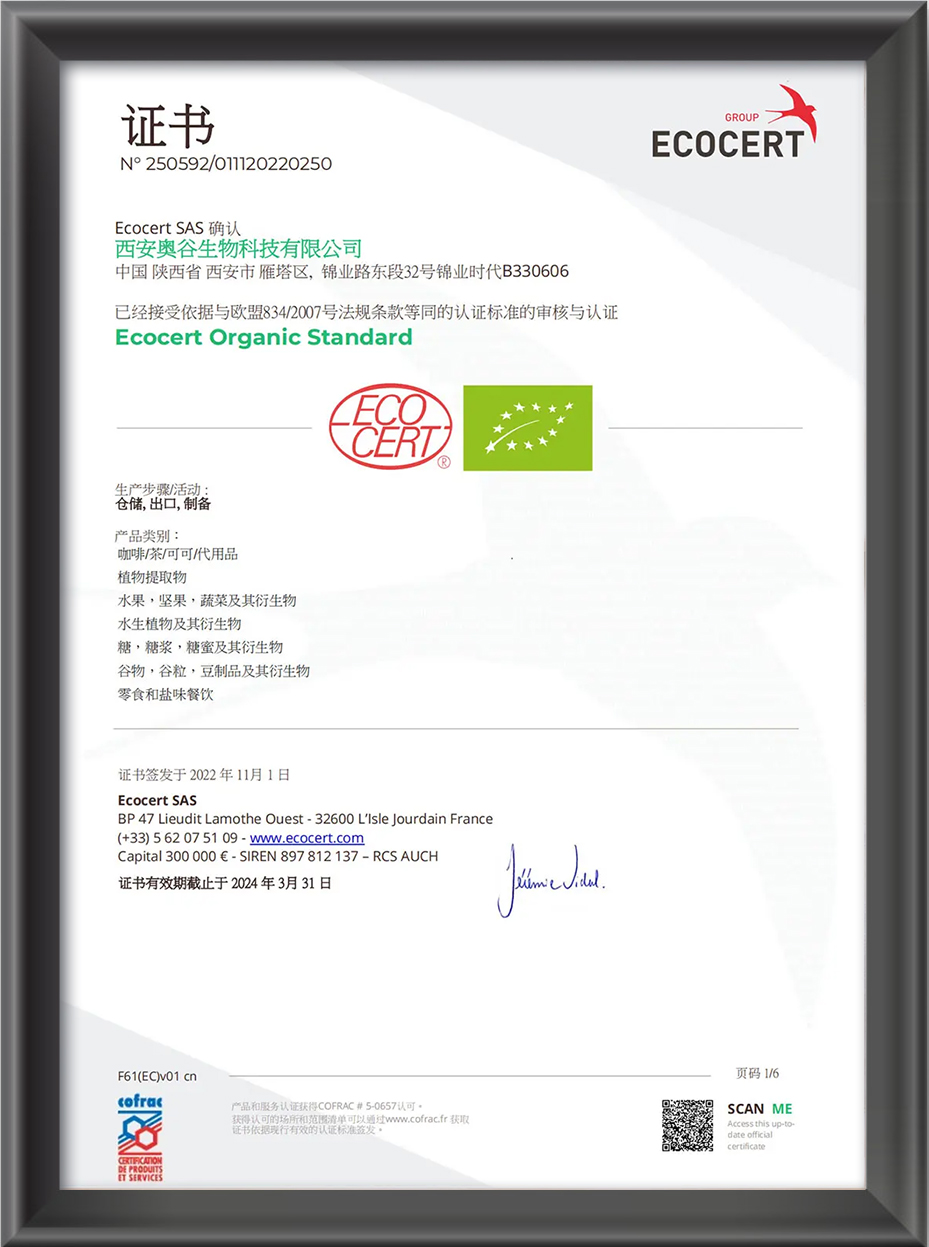
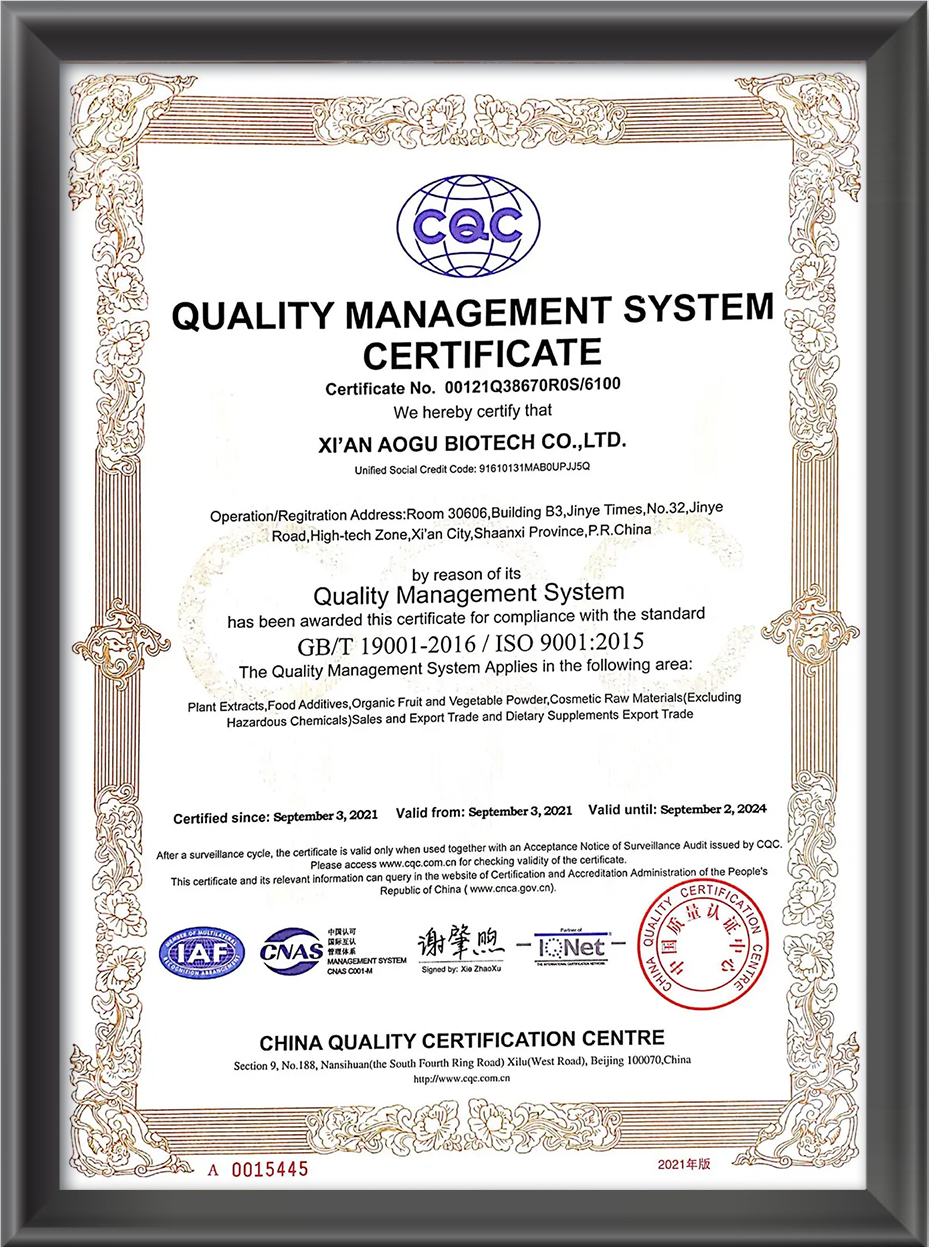
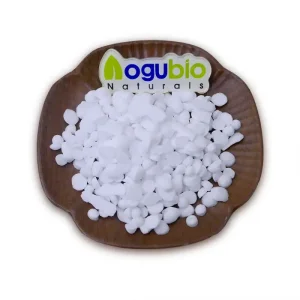
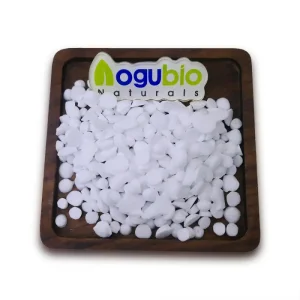
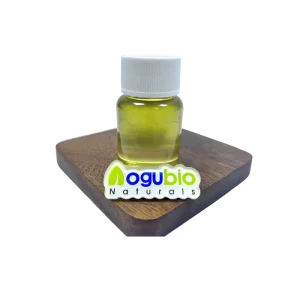
Explore our highly-refined emulsifiers, solubilizers, and co-surfactants designed to satisfy global skincare and cosmetic formulation standards.
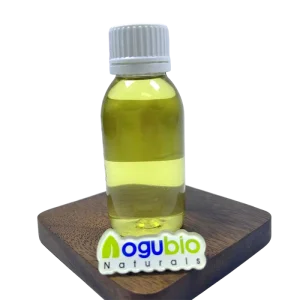
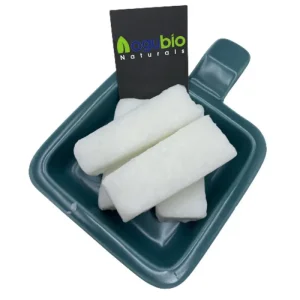
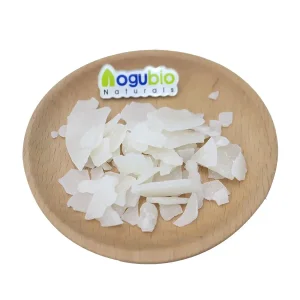
Crucial scientific answers for cosmetic chemists exporting to or manufacturing within Kiribati and the Pacific Islands.
 Aogebio Cosmetic