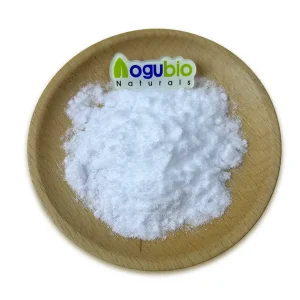
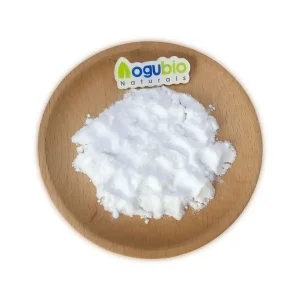
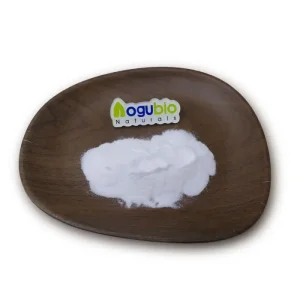
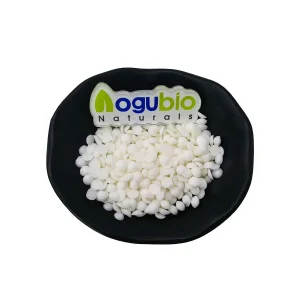
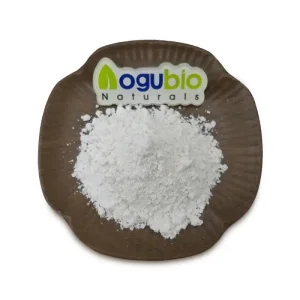
In the rapidly evolving world of aesthetic medicine and high-end skincare, Decarboxy Carnosine (also known as Carcinine) has emerged as a cornerstone ingredient. Unlike traditional L-Carnosine, Decarboxy Carnosine offers unparalleled stability and resistance to enzymatic degradation by carnosinase. This unique property has triggered a massive shift in the global commercial landscape, with major cosmetic conglomerates in Paris, New York, and Seoul racing to integrate this peptide into their flagship anti-aging lines.
As a leading Decarboxy Carnosine manufacturer, we have observed a 40% year-on-year increase in demand from the European market, particularly for formulations targeting "urban-aging"—a phenomenon where pollution and UV exposure accelerate protein glycation. Today, Decarboxy Carnosine is no longer just a luxury additive; it is a fundamental requirement for brands aiming to claim "cellular protection" and "anti-glycation" on their product labels.
It acts as a sacrificial target for glycation, preventing the formation of Advanced Glycation End-products (AGEs) that cause skin sagging and dullness.
Protects cellular structures from oxidative stress and infrared radiation, outperforming many traditional antioxidants in long-term stability.
By mimicking natural peptides, it stimulates the skin's metabolic repair mechanisms, leading to visible improvements in firmness.
The global skincare industry is moving towards Neuro-cosmetics and Epigenetics. Decarboxy Carnosine is at the heart of this trend. Research indicates that the industry is pivoting from simple hydration to complex molecular repair. Current trends suggest that by 2026, over 65% of premium anti-wrinkle serums will feature some form of glycation-repairing peptides.
Another emerging trend is the "Clean Science" movement. Global enterprises are no longer satisfied with just any raw material; they demand high-purity, laboratory-verified ingredients that are sustainably produced. As a specialized Decarboxy Carnosine factory, we are investing heavily in green synthesis technologies to reduce environmental impact while maintaining a purity level of 98% or higher, meeting the stringent ESG requirements of international partners.
B2B buyers—from formulation chemists to procurement officers—face several challenges when sourcing Decarboxy Carnosine. Stability in water-based formulations, compatibility with vitamin C derivatives, and price volatility are primary concerns. Our factory addresses these by providing customized Decarboxy Carnosine Hydrochloride solutions that are specifically optimized for maximum solubility and long shelf-life in various pH ranges.
Founded in 2013 and headquartered in the prestigious high-tech zone of Xi'an, Xi'an Aoge Biotech Co., Ltd., along with its subsidiaries Xi'an Imaherb Biotech Co., Ltd. and Xi'an Nahanutri Biotech Co., Ltd., has established itself as a leading force in the cosmetics raw materials industry.
Our expansive cooperative factory, spanning 1,000 mu (approximately 165 acres), is equipped with state-of-the-art extraction technology. This advanced infrastructure allows us to manufacture a wide array of premium cosmetic raw materials. Our product line includes natural plant extracts specifically designed for organic cosmetics, as well as synthetic ingredients for high-end skincare formulations. These raw materials serve as the foundation for a multitude of skincare, haircare, and makeup products, ensuring superior quality and efficacy throughout the entire production process.
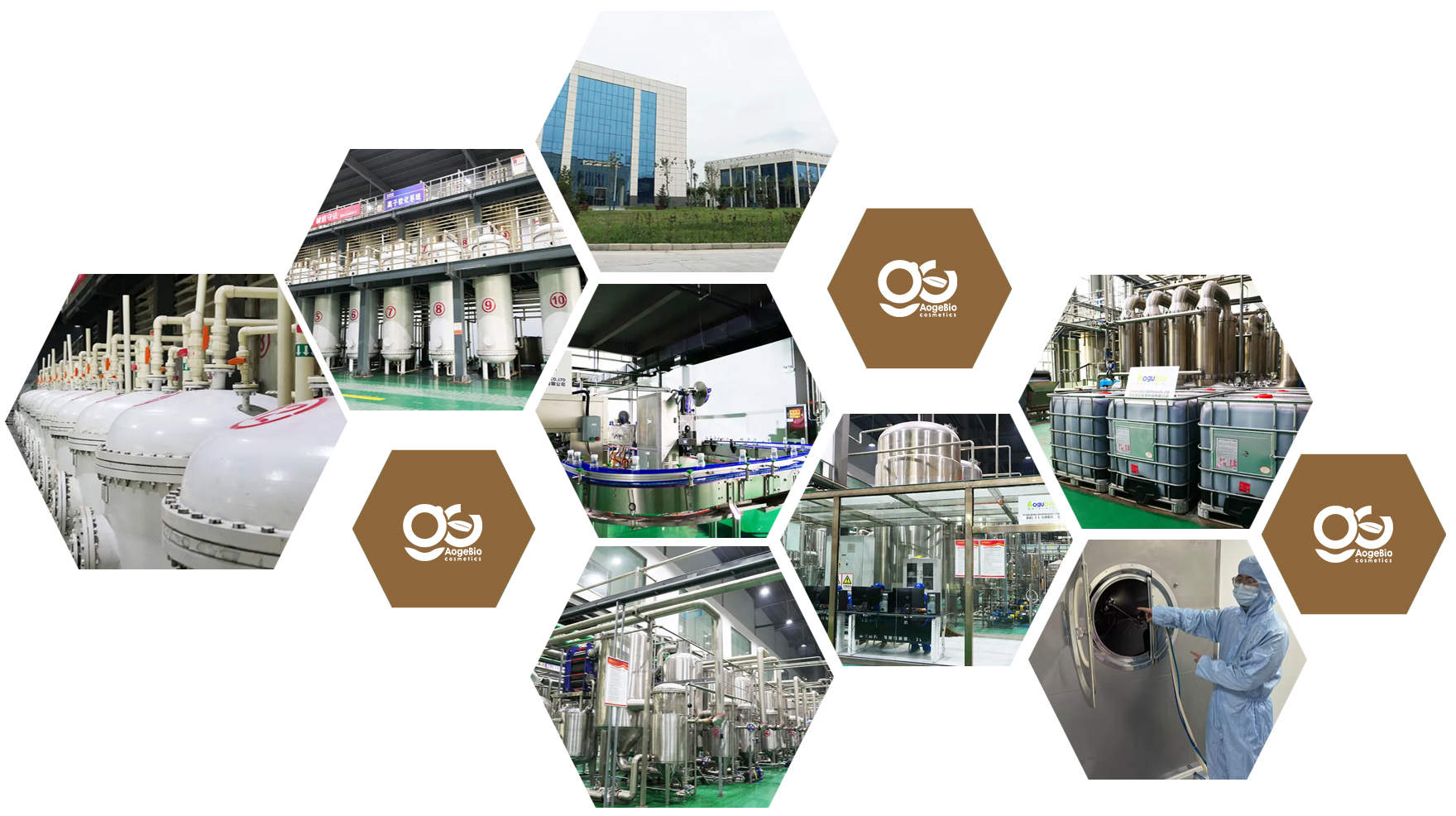
China has become the global hub for high-tech peptide synthesis. As a China-based Decarboxy Carnosine manufacturer, Aogebio offers several distinct advantages that western factories struggle to match:
Relentless efforts in exploring novel raw materials and advanced manufacturing techniques to stay ahead in the dynamic cosmetics industry.
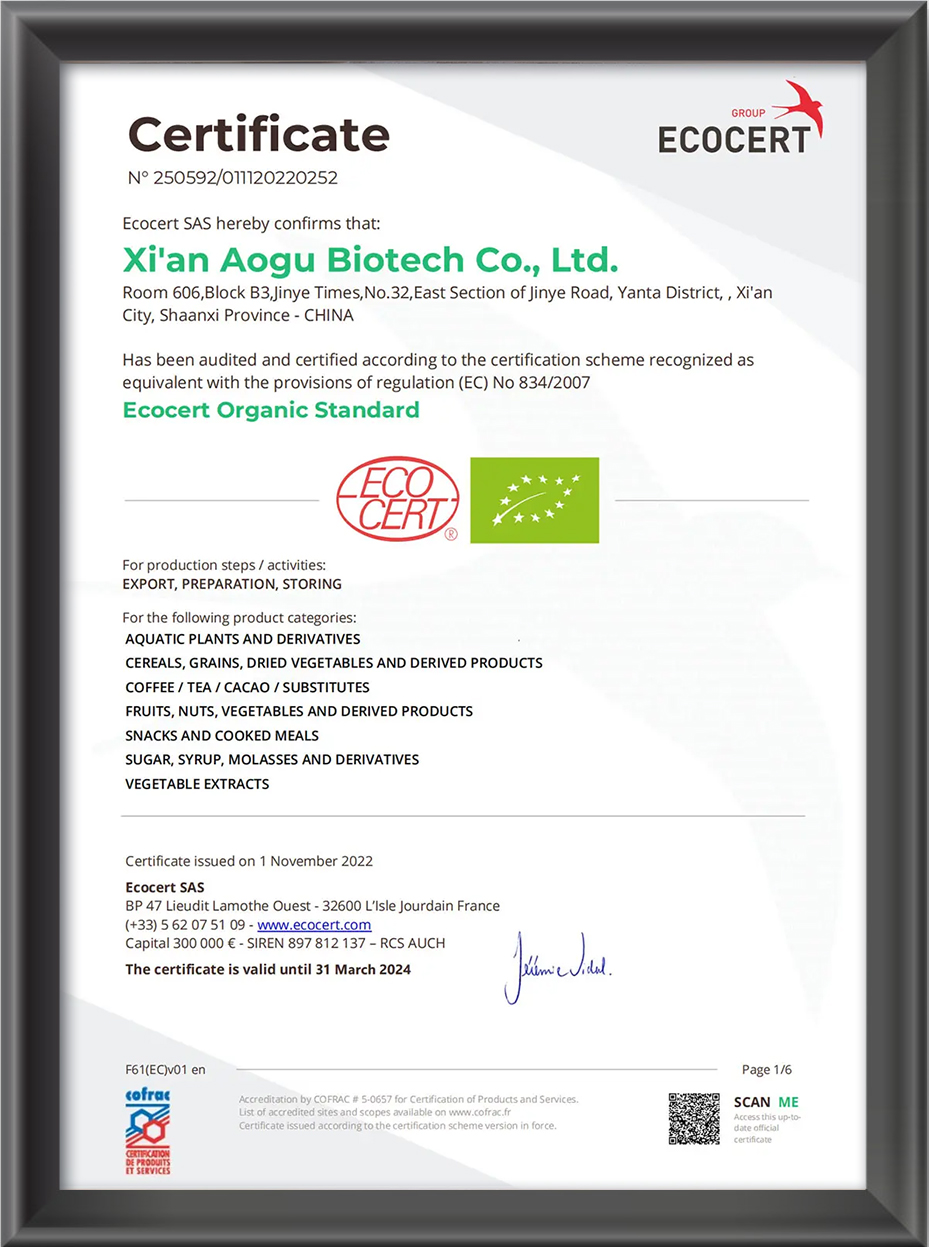
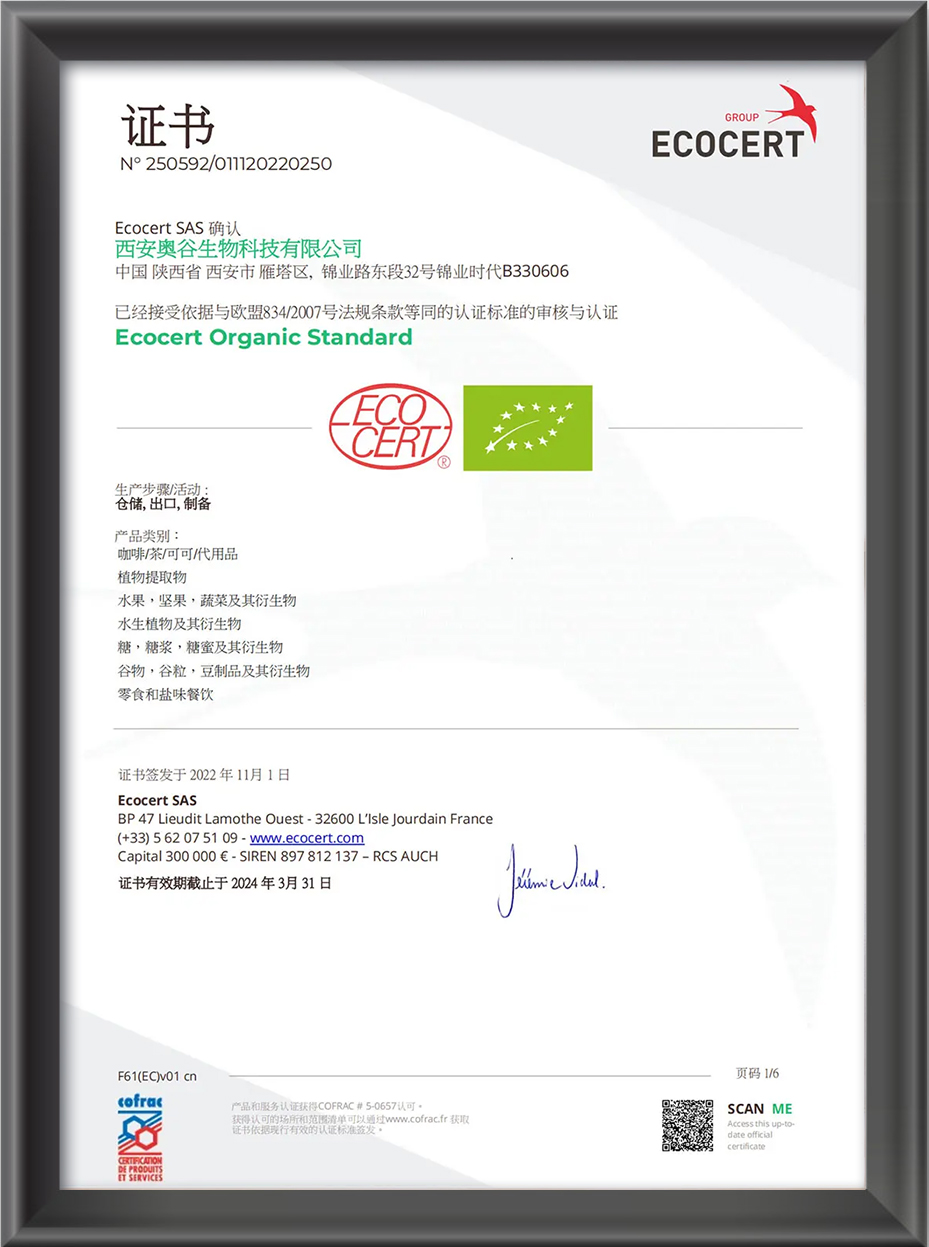
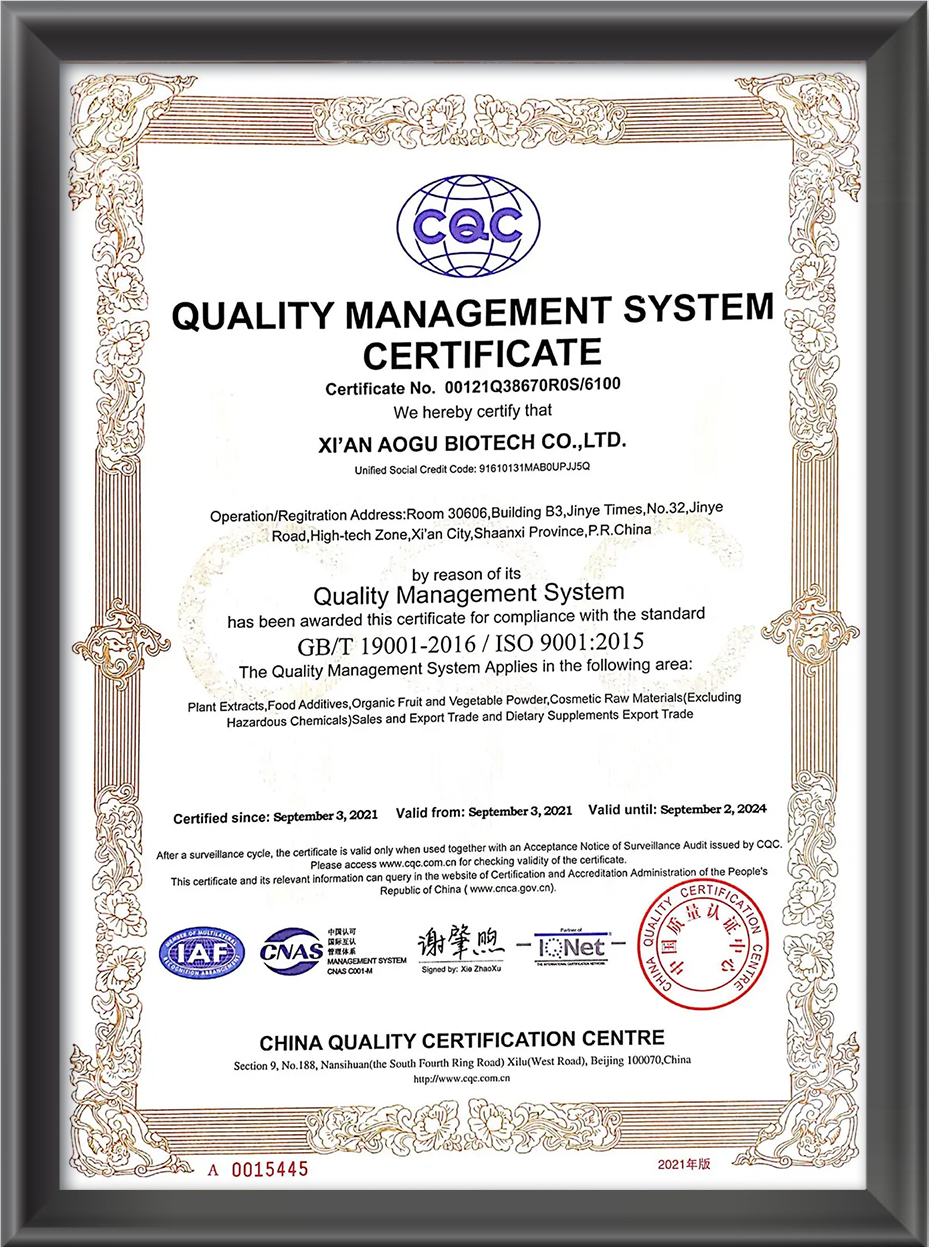
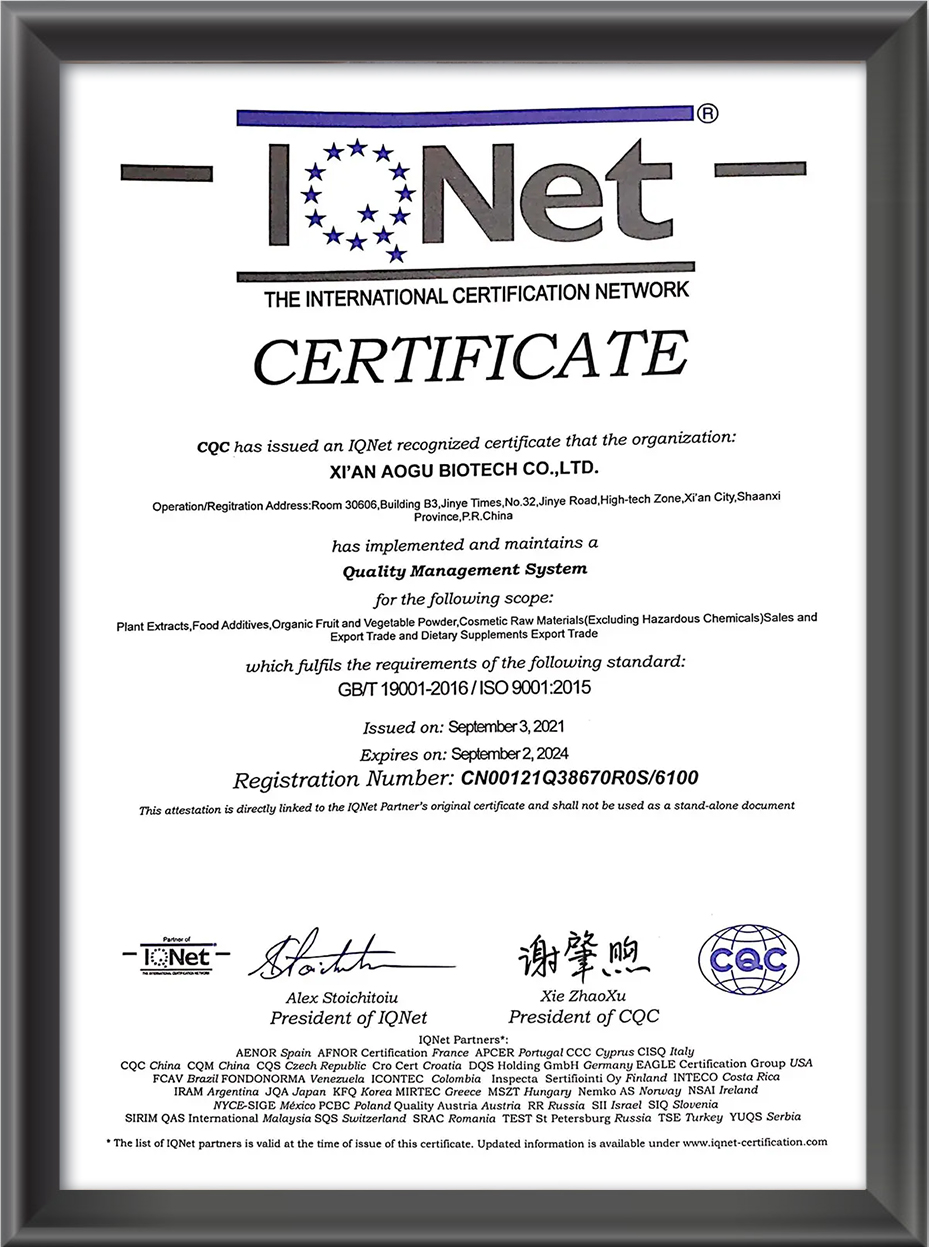
Rigorous quality control is embedded in every step, from raw material sourcing to delivery, adhering to strict international standards.
Eco-friendly production methods and responsible sourcing to minimize our environmental footprint.
Our in-house lab uses advanced instruments like UPLC, HPLC, GC-MS, ICP-MS for quality control, ensuring raw materials meet strict international standards.
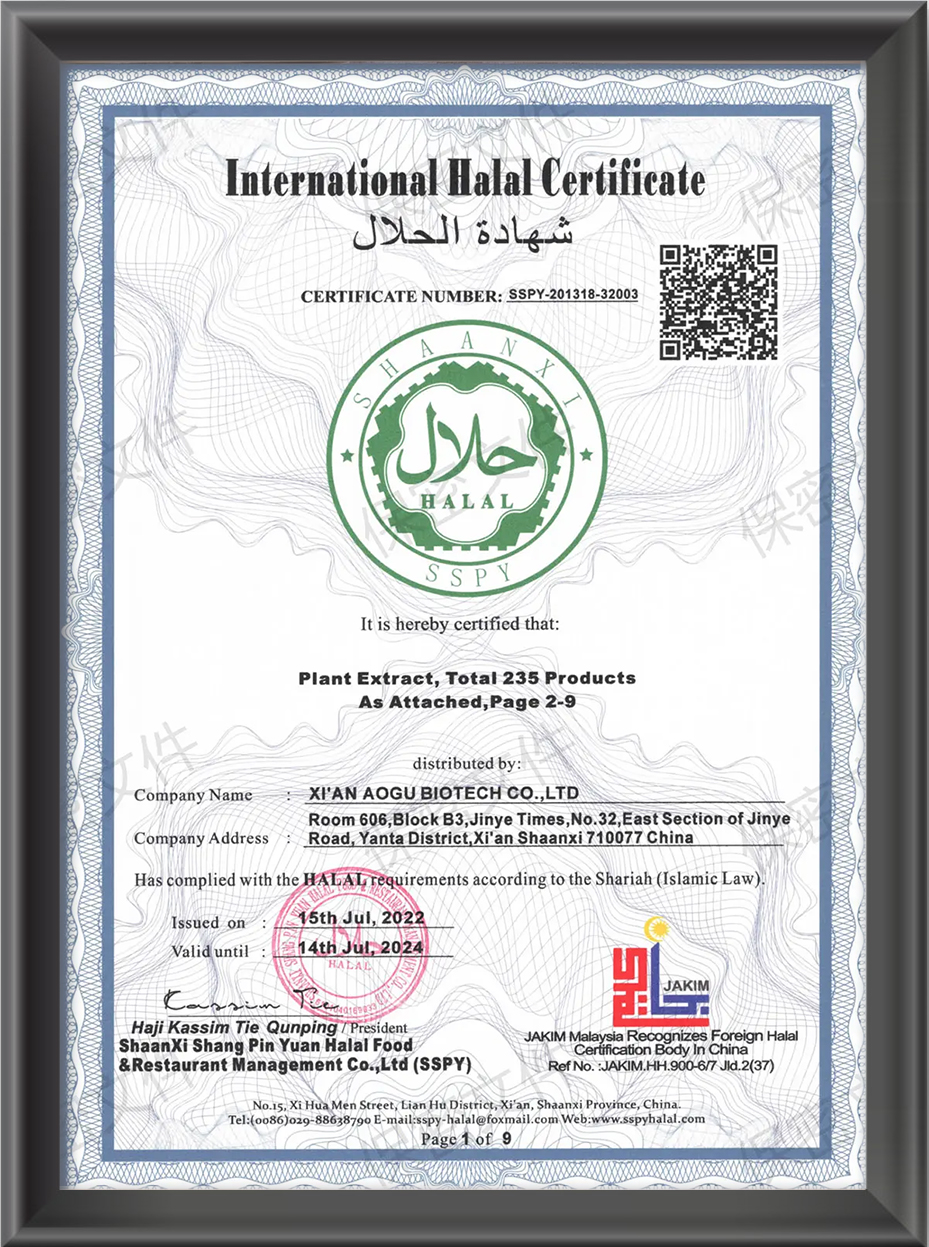
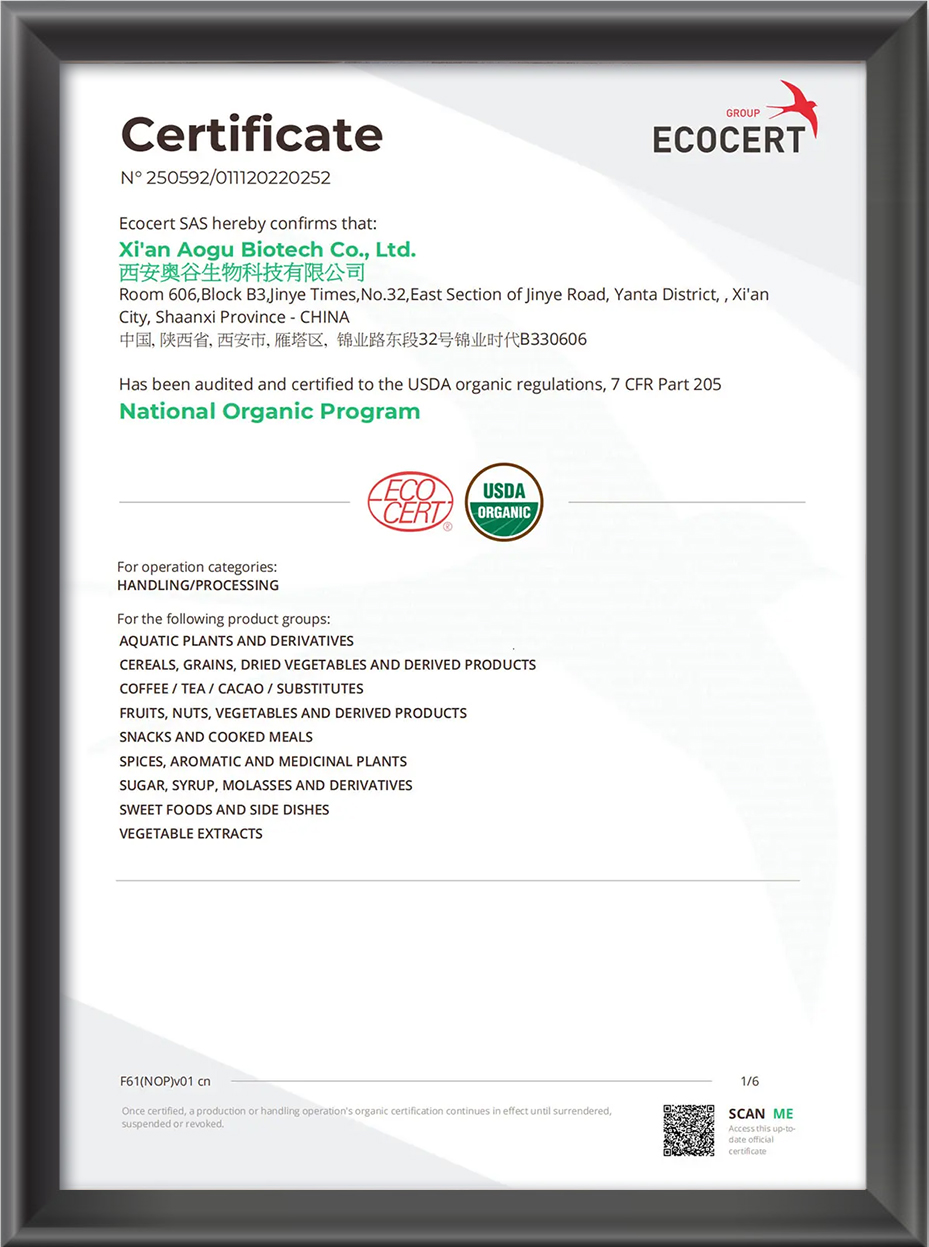
 Aogebio Cosmetic