Explore our top-tier cosmetic formulation supplies, curated for high performance and strict safety standards.
Unveiling the molecular mechanism, chemical synthesis, and biophysiological efficacy of the industry's leading cosmetic peptide.
CAS:207574-74-1 (typically categorized under high-efficiency synthetic oligopeptides such as Palmitoyl Tripeptide-5 / Syn-Coll type peptides) acts as an essential booster for cellular signal pathways. It mimics the body's natural mechanism to activate Tissue Growth Factor-beta (TGF-β), initiating the downstream transcription cascade responsible for de novo collagen synthesis in human fibroblasts. This pathway repairs dermal structures, reversing cellular senescence and improving the dermal-epidermal junction (DEJ) tension.
Upon application, the peptide penetrates the lipidic layers of the stratum corneum due to its hydrophobic fatty acid chain integration. It directly targets matrix metalloproteinases (MMPs) down-regulation. By suppressing MMP-1 and MMP-3, it prevents the enzymatic degradation of existing type I, III, and IV collagen fibers, ensuring a robust, dense extracellular matrix structure that clinically exhibits as improved skin firmness and decreased deep wrinkle depth.
The lipid moiety conjugated to the peptide peptide-terminus grants outstanding thermodynamic stability. Unlike native, unmodified proteins that face immediate hydrolysis by surface peptidases, CAS:207574-74-1 remains bioavailable inside topical emulsions for extended storage lifetimes. This stability translates directly to a high efficacy profile, making it a critical choice for clinical-grade formulations demanding measurable, time-restricted results.
| Analytical Parameter | Specification Target | Testing Method | Industrial Grade Significance |
|---|---|---|---|
| Assay Purity | ≥ 98.0% | High-Performance Liquid Chromatography (HPLC) | Minimizes structural impurities, preventing cellular irritation or cross-reactivity. |
| Identity | Matches reference spectrum | Mass Spectrometry (MS-ESI / MALDI-TOF) | Verifies molecular formula consistency across multi-ton manufacturing batches. |
| Water Content | ≤ 5.0% | Karl Fischer Titration | Ensures raw powder dryness, mitigating microbial risk prior to liquid compounding. |
| Heavy Metals | ≤ 10 ppm | Inductively Coupled Plasma Mass Spectrometry (ICP-MS) | Guarantees safety under rigorous US FDA and EU Regulation (EC) 1223/2009 thresholds. |
| Residual Solvents | Meets USP <467> Guidelines | Gas Chromatography with Headspace (GC-HS) | Ensures total elimination of toxic synthesis agents like DMF or acetonitrile. |
Navigating geopolitical regulatory variations, supply chain bottlenecks, and modern cosmetic chemistry requirements.
The Challenge: Global skincare brands frequently experience batch performance fluctuations when sourcing raw peptides. The primary cause lies in variable solid-phase peptide synthesis (SPPS) control.
The Solution: Our ODM facility uses fully automated continuous-flow peptide synthesizers monitored by real-time spectroscopic feedback. This ensures that every batch matches identical molecular profiles, preserving viscosity, color profile, and enzymatic activity upon formulation reconstitution.
The Challenge: Sourcing materials that simultaneously satisfy the European Chemicals Agency (ECHA), US FDA VCRP, China's NMPA (formerly CFDA) IECIC listing, and REACH registers can be extremely difficult.
The Solution: Aogebio offers complete documentation portfolios including GMP certificate logs, COA sheets, SDS conforming to GHS standards, and complete raw material tracing databases, allowing zero-friction export to EU, North American, and Asian cosmetics manufacturing bases.
The Challenge: Standard off-the-shelf peptide solutions sometimes fail to align with unique marketing stories or specific formulation formats (e.g., anhydrous oils, gel-emulsions).
The Solution: We provide custom ODM services where CAS:207574-74-1 can be modified. Options include modifying counter-ions (e.g., acetate vs. trifluoroacetate for high-sensitivity claims) or providing pre-dispersed liquid complexes coupled with natural penetration enhancers like Dimethyl Isosorbide (DMI).
A deep look at peptide engineering methodologies, current innovations, and green chemistry initiatives.
Fmoc-protected amino acids are sequentially coupled onto specialized resin supports. Washing cycles utilize green solvents (e.g., Gamma-Valerolactone) to reduce the environmental footprint compared to traditional DMF processes.
The peptide is cleaved from the solid carrier using tailored acid cocktails. The palmitoyl chain is then conjugated to the N-terminus, creating the amphiphilic structure necessary for skin barrier penetration.
Purification via preparative reversed-phase HPLC separates target sequences from truncated peptide impurities. This process achieves our standard ≥ 98.0% purity profile, eliminating potential allergens.
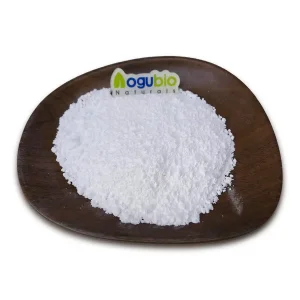
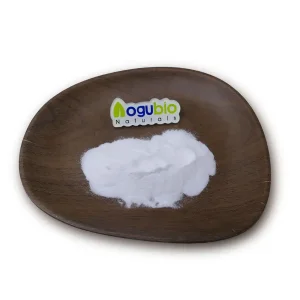
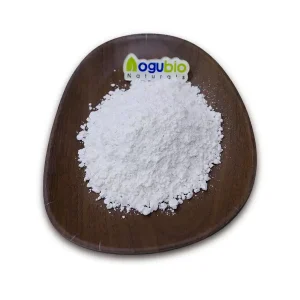
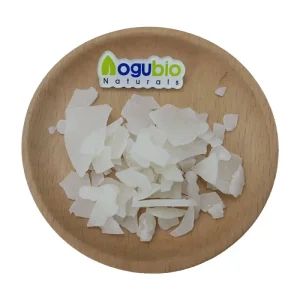
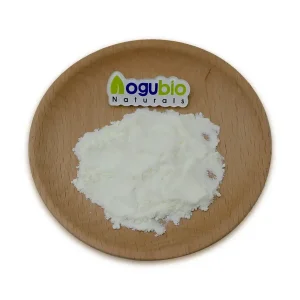
The purified peptide solution is freeze-dried under a high vacuum at sub-zero temperatures. This process yields a highly stable, fluffy white amorphous powder that is ready for secure vacuum sealing and distribution.
As global standards evolve, Aogebio's R&D department is pioneering enzymatic peptide synthesis routes. This method bypasses harsh chemical reagents entirely, replacing them with biocatalysts. Our long-term technical goal is to transition all CAS:207574-74-1 production to sustainable enzymatic ligation by 2026. This transition will reduce carbon emissions by 40% and completely eliminate organic solvent residues, meeting the stringent standards of eco-conscious global beauty groups.
A trusted leader in premium cosmetics raw materials extraction, synthesis, and global distribution since 2013.
Founded in 2013 and headquartered in the prestigious high-tech zone of Xi'an, Xi'an Aoge Biotech Co., Ltd., along with its subsidiaries Xi'an Imaherb Biotech Co., Ltd. and Xi'an Nahanutri Biotech Co., Ltd., has established itself as a leading force in the cosmetics raw materials industry.
Our expansive cooperative factory, spanning 1,000 mu (approximately 165 acres), is equipped with state-of-the-art extraction technology. This advanced infrastructure allows us to manufacture a wide array of premium cosmetic raw materials. Our product line includes natural plant extracts specifically designed for organic cosmetics, as well as synthetic ingredients for high-end skincare formulations. These raw materials serve as the foundation for a multitude of skincare, haircare, and makeup products, ensuring superior quality and efficacy throughout the entire production process.
View More Details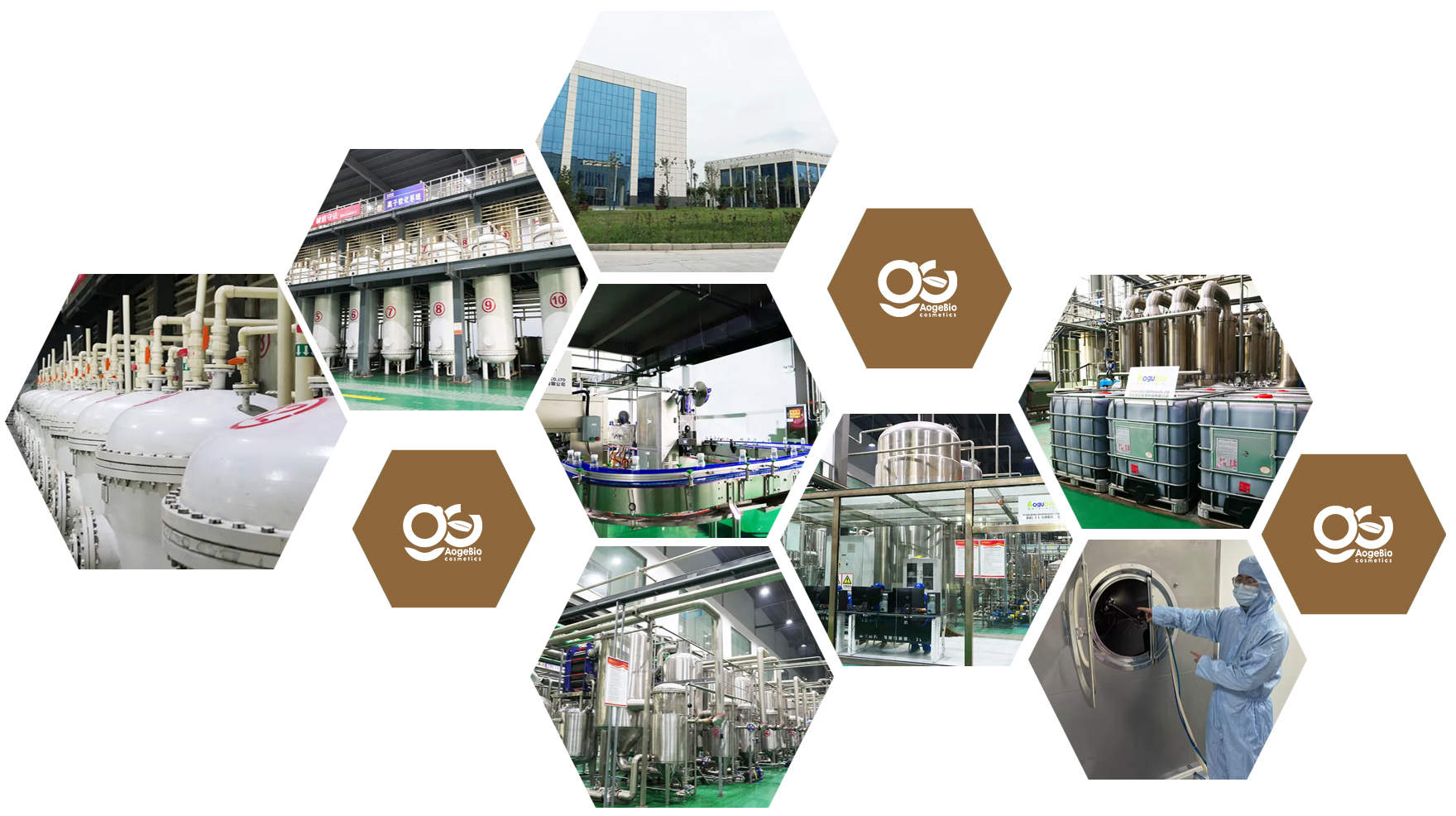
Our in-house analytical laboratory utilizes state-of-the-art testing equipment including UPLC, HPLC, GC-MS, and ICP-MS. This equipment enables strict quality control at every phase of the manufacturing process, ensuring that all raw materials systematically meet the most rigorous international purity and safety standards.
Innovation, strict quality control, and commitment to environmental sustainability form the cornerstone of our global operations.
We pour relentless efforts into research and development, constantly exploring novel raw materials and advanced manufacturing techniques to stay ahead in the dynamic cosmetics industry.
Rigorous quality control is embedded in every step of our production process, from raw material sourcing to final product delivery, guaranteeing that each item adheres to the most stringent international standards.
Meanwhile, we actively embrace sustainable practices, striving to minimize our environmental footprint through eco-friendly production methods and responsible sourcing.
This unwavering dedication enables us not only to consistently offer products of unparalleled excellence but also to contribute to the long-term, healthy development of the entire cosmetics industry.
Empowering large-scale brand launches with localized logistical routes and reliable compliance audits.
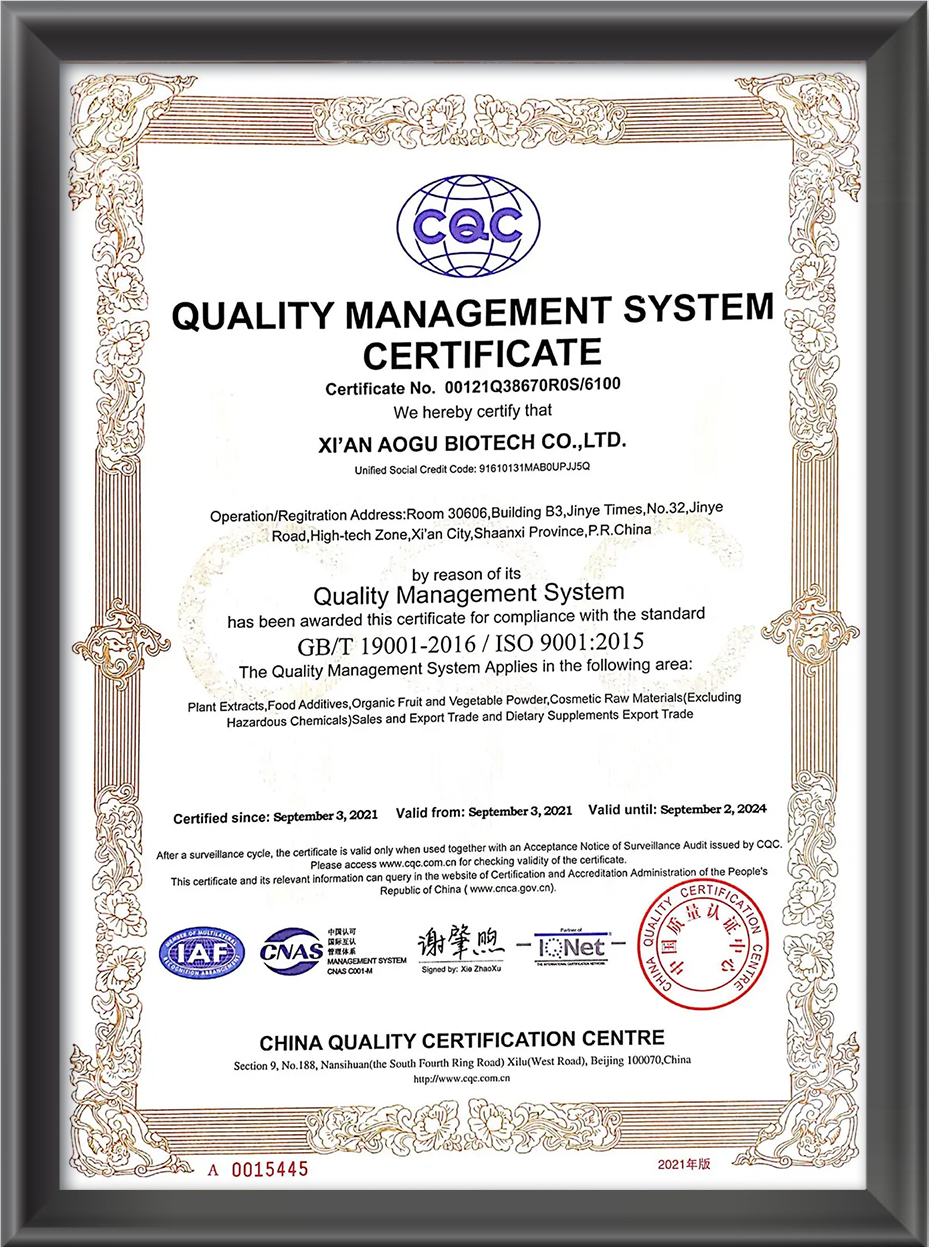
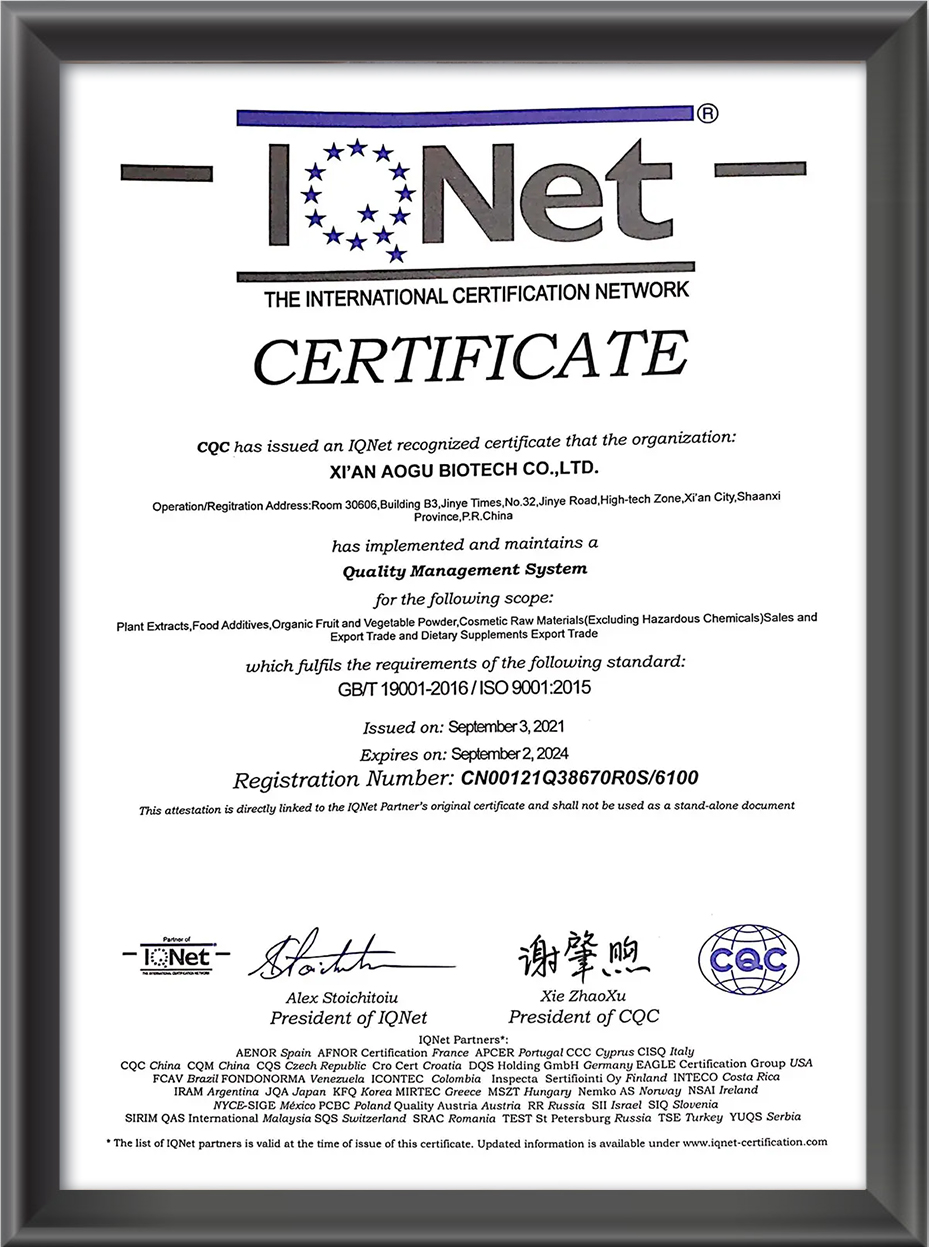
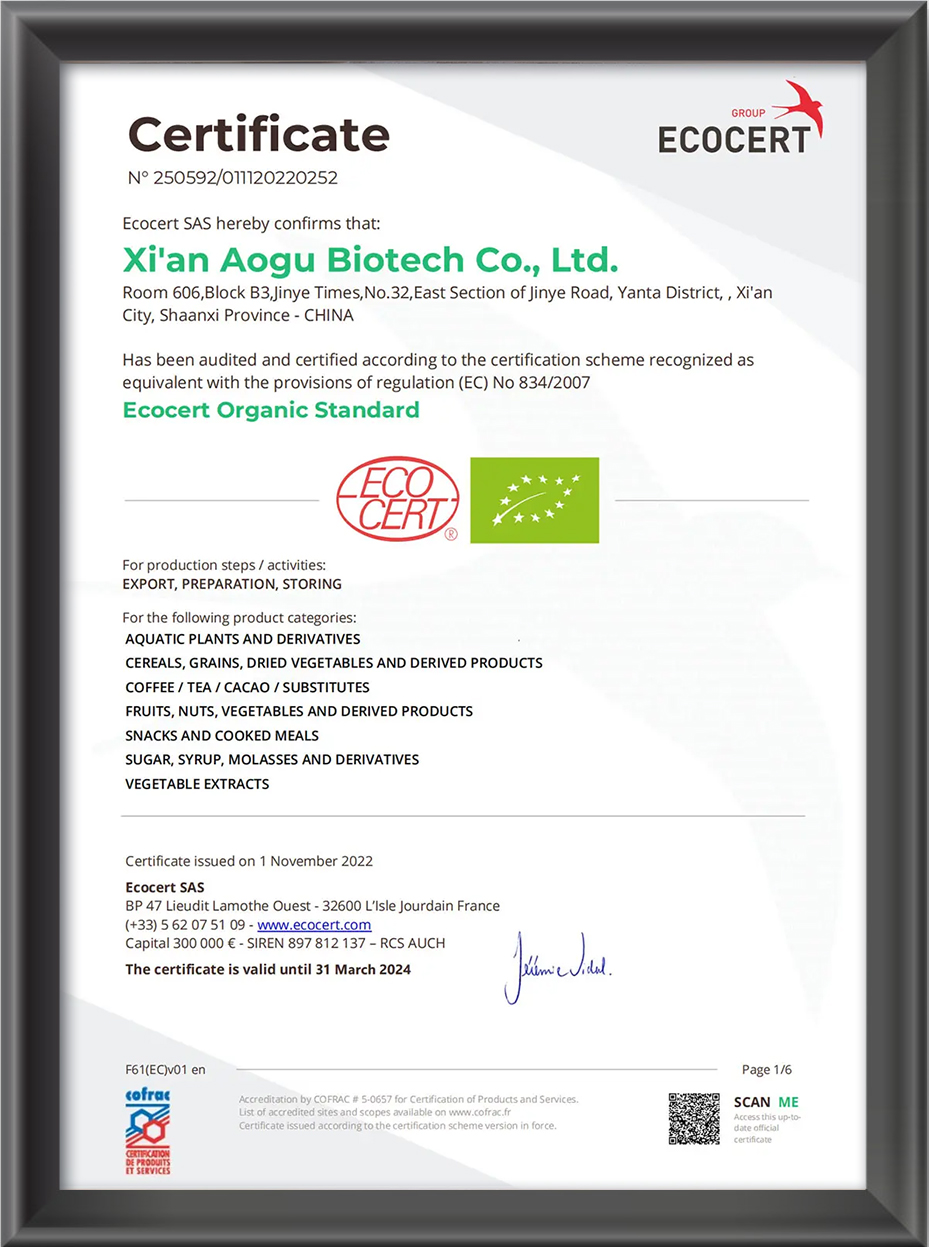
Our facilities are fully certified under ISO 9001, ISO 22716, and Cosmetics GMP (US Guidelines). Every shipment of CAS:207574-74-1 is dispatched with a complete package of analytical documentation, including a Certificate of Analysis (COA) specifying HPLC purity, a detailed Material Safety Data Sheet (MSDS), and a BSE/TSE-free declaration. This comprehensive documentation supports seamless integration into your regulatory filing database.
As bioactive compounds are susceptible to temperature fluctuations during long-distance transit, we employ specialized vacuum packaging and cold-chain logistics. By packing cargo inside temperature-regulated insulated shipping boxes with thermal logging sensors, we guarantee that the peptide arrives at your production facility without experiencing thermal degradation.
We provide localized technical assistance through representative offices in North America and Western Europe. Our chemists are available to guide you through compounding procedures. This includes solving compatibility challenges with common gelling agents, determining optimal pH ranges, and troubleshooting high-temperature dispersion challenges.
Technical, regulatory, and application guidance from our analytical laboratory team.
For daily skincare applications like creams and eye serums, the recommended dosage of the pure peptide ranges from 0.001% to 0.01% (equivalent to 10-100 ppm). When using a pre-dispersed commercial liquid solution, the recommended compounding dosage is typically 1.0% to 3.0%, depending on the targeted clinical anti-wrinkle claims.
To prevent enzymatic degradation or thermal cleavage of the peptide chain, we recommend introducing CAS:207574-74-1 during the cool-down phase (Phase C) of emulsification, ideally at temperatures below 40°C. Keep the pH of the aqueous phase within a range of 4.5 to 6.5 to maintain optimal structural integrity.
Yes. As an established ODM/OEM manufacturer, we specialize in custom synthesis. We can modify the peptide counter-ions, offer oil-soluble configurations for waterless anhydrous formulations, or supply the ingredient pre-dispersed in specific glycols to enhance skin absorption.
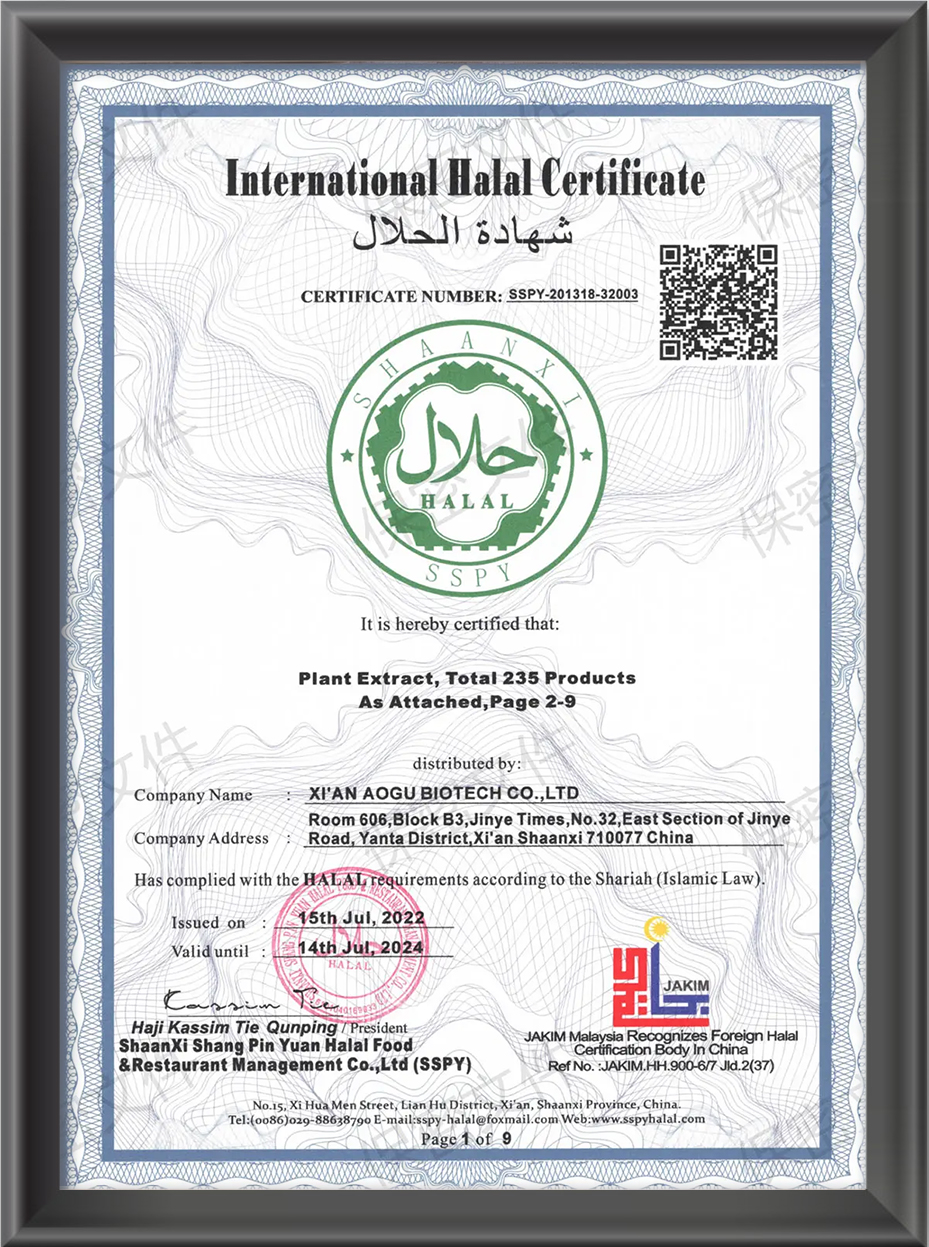
Absolutely. Our synthetic peptide lines, including CAS:207574-74-1, are produced using chemical synthesis methods without any animal-derived raw materials. This ensures compliance with cruelty-free, vegan, and halal-compliant certification standards.
Every batch of CAS:207574-74-1 is shipped with a Certificate of Analysis (COA) showing HPLC and Mass Spectrometry analysis, an MSDS/SDS sheet, a raw material origin statement, and data sheets showing heavy metal and microbiological assay parameters.
In powder form, the material remains stable for up to 24 months when stored at 2°C to 8°C in its original hermetically sealed, light-protected packaging. For long-term storage exceeding one year, we recommend keeping the material at -20°C.
A selective range of high-efficiency active raw materials designed for professional cosmetic product developers.
 Aogebio Cosmetic