 Aogebio Cosmetic
1 / 1
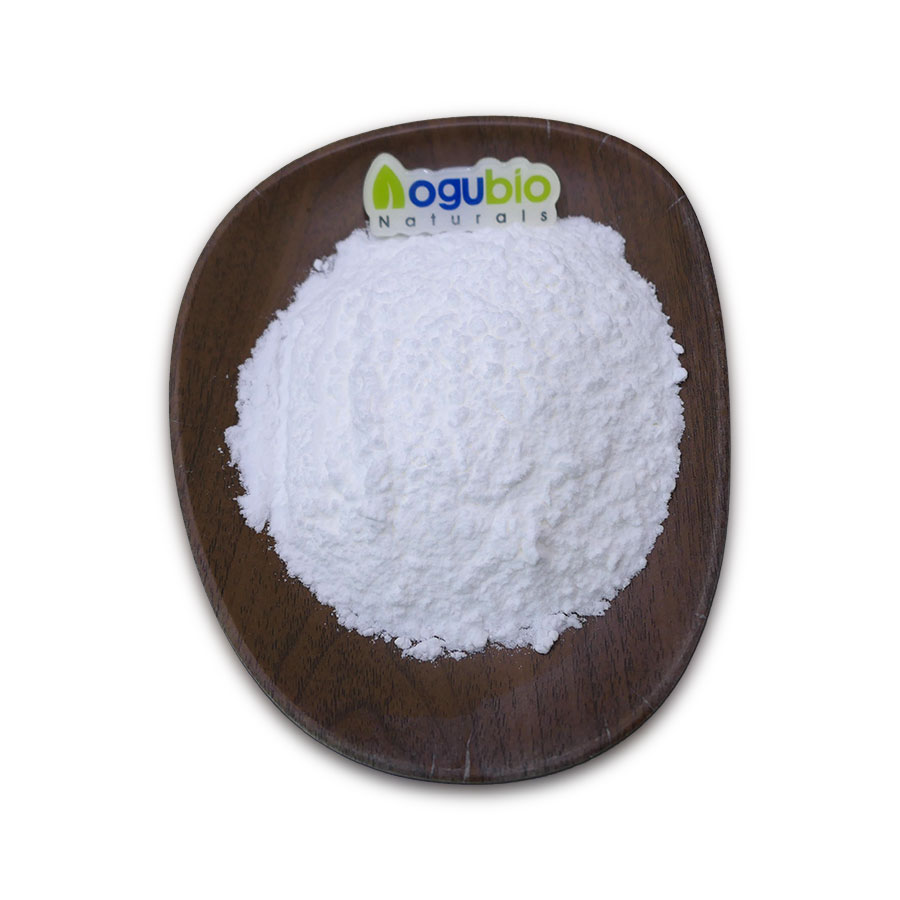
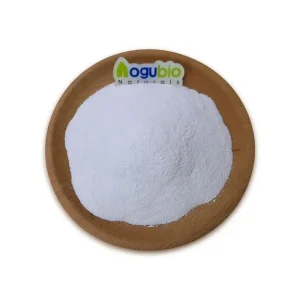
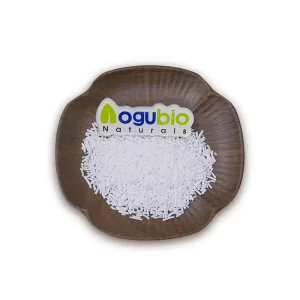
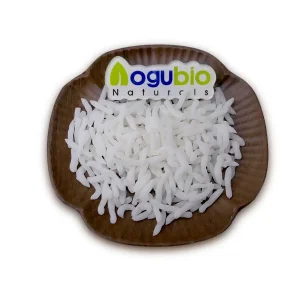
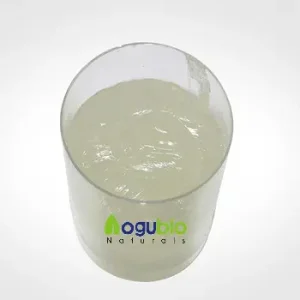
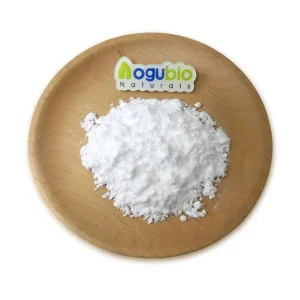
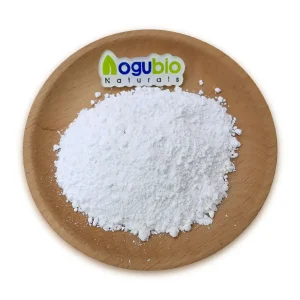
Sodium Lauroyl Sarcosinate is a premium-grade amino acid anionic surfactant. It appears as a white or off-white powder with no particular odor. Derived from natural coconut oil and sarcosine, this innovative ingredient combines powerful foaming action with gentle, non-irritating properties, making it ideal for high-performance personal care formulations.
Highly recognized for its mildness, it is perfect for sensitive skin and delicate baby products without stripping natural moisture.
Helps maintain skin hydration and improves overall texture, leaving the skin feeling soft and smooth post-cleansing.
Generates a stable, creamy, and luxurious lather that significantly enhances the sensory experience of cleansing.
As a natural surfactant, it is environmentally friendly and aligns with global demands for sustainable cosmetic ingredients.
Typically used at concentrations ranging from 1% to 10% depending on the formulation goals.
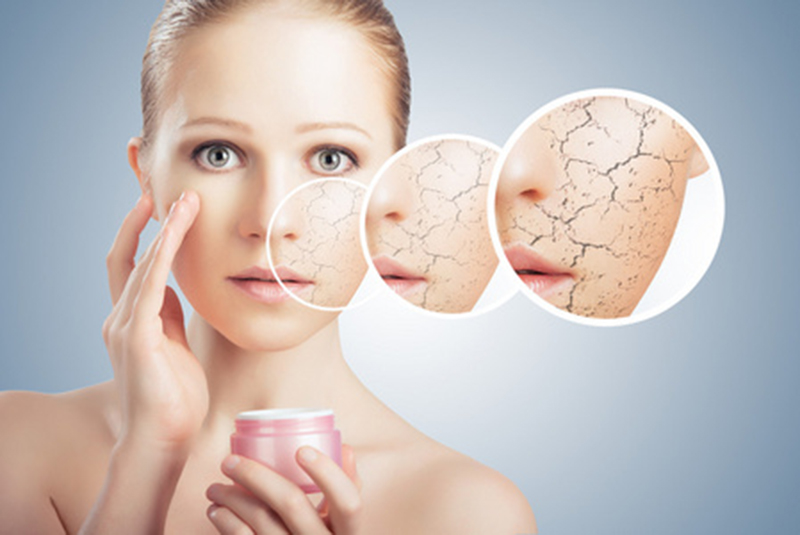
Formulates gentle cleansers that remove impurities without irritation.
Ideal for shower gels providing a luxurious and gentle cleansing feel.
Excellent for sensitive scalps and specialized children's hair care.
Enhances lather and cleansing efficacy in hand washes and foam pumps.

Closed container, dry place, room temperature.

Cruelty-free, not tested on animals.

No animal-derived components.
A: It is a mild, biodegradable anionic surfactant derived from sarcosine (an amino acid) and coconut oil, used for its excellent foaming and cleansing properties.
A: No. While both are surfactants, Sodium Lauroyl Sarcosinate is known to be much gentler on the skin and eyes compared to SLS, making it suitable for sensitive skin formulations.
A: Yes, Sodium Lauroyl Sarcosinate is not a sulfate, so it is a popular choice for formulators creating sulfate-free shampoos and cleansers.
A: Yes, it maintains good foaming and cleansing performance even in hard water environments, which is a significant advantage over traditional soaps.
A: Absolutely. Its ultra-gentle nature and low irritation potential make it an ideal ingredient for baby washes and tear-free shampoos.
A: Depending on the specific application, it is typically incorporated at a concentration of 1% to 10% in the final cosmetic formulation.