 Aogebio Cosmetic
1 / 1
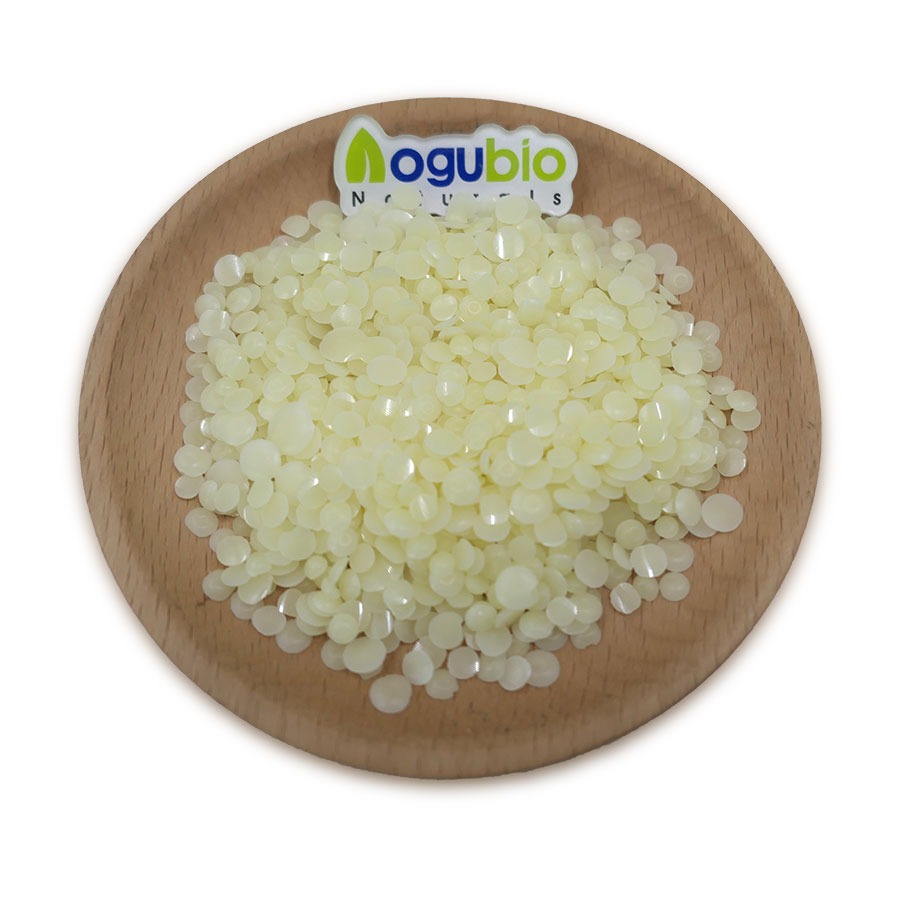
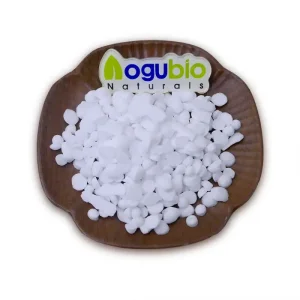
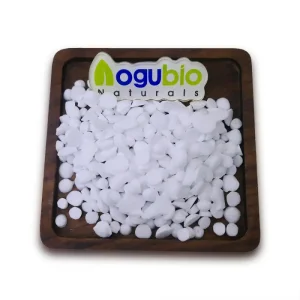
A combination of glycol, fatty acid, and glucose that serves multiple roles in cosmetic formulations. It can function as a mild cleansing agent or an (O/W) oil-in-water emulsifier while providing emollient properties to leave the skin feeling soft and smooth.
It generally contributes to a soft, smooth afterfeel on the skin, making it an essential component for high-quality personal care products.

The PEG-20 chain boosts water solubility, enabling clear formulations and improved dispersion of oils in aqueous systems.

Forms fine-particle emulsions with long-term stability, ideal for high-oil-content creams and serums.
Encapsulates and solubilizes lipophilic ingredients in water-based products, preventing phase separation.
Emulsifier: 1.5%–3.5% (2.5% for light lotions, 3–3.5% for rich creams)
Solubilizer: 2%–5% (e.g., 3% to solubilize 1% jojoba oil in facial toners)
Foam Booster in Cleansers: 1%–2% (combined with mild surfactants like coco-glucoside)
Commonly used in foaming facial washes, serums, gels, and lotions to enhance texture and stability.
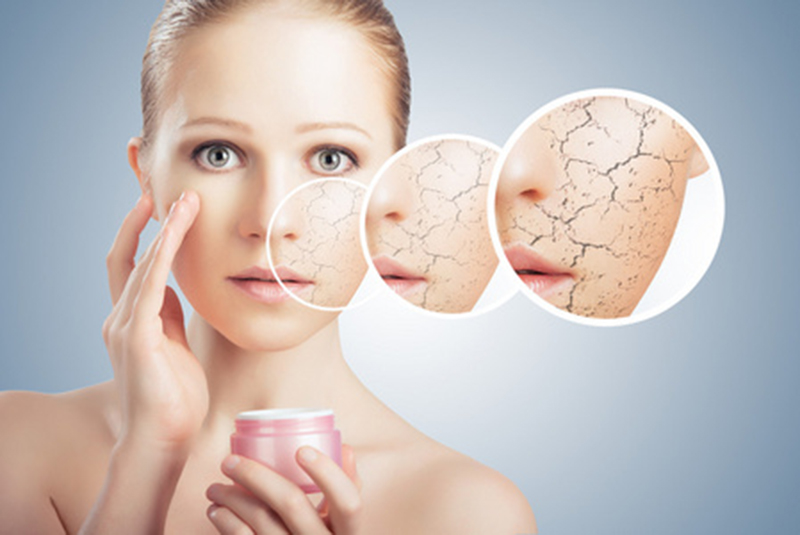
Stabilizes oil-soluble antioxidants in water-based serums, improving transdermal delivery.

Boosts foam density in sulfate-free cleansers while maintaining skin moisture.

Enhances stability in saltwater or sweat, preventing ingredient degradation.
Improves detangling, reduces static electricity, and enhances foam quality.


It primarily acts as a mild oil-in-water (O/W) emulsifier and solubilizer, helping to blend oils and water-based ingredients while providing a smooth skin feel.
Yes, it is derived from plant-based glucose and stearic acid, making it a preferred choice for brands seeking natural-origin alternatives to synthetic emulsifiers.
It delivers a lightweight, non-greasy texture and leaves a silky afterfeel on the skin, which is ideal for high-performance skincare and sunscreens.
Absolutely. It is excellent for detangling, reducing static electricity in shampoos, and enhancing foam density for a thorough scalp cleanse.
It should be stored in a closed container in a dry place at room temperature to maintain its stability and performance over time.
Yes, it can stabilize oil-soluble antioxidants and actives in water-based systems, potentially improving their transdermal delivery and efficacy.