📘
Product Description
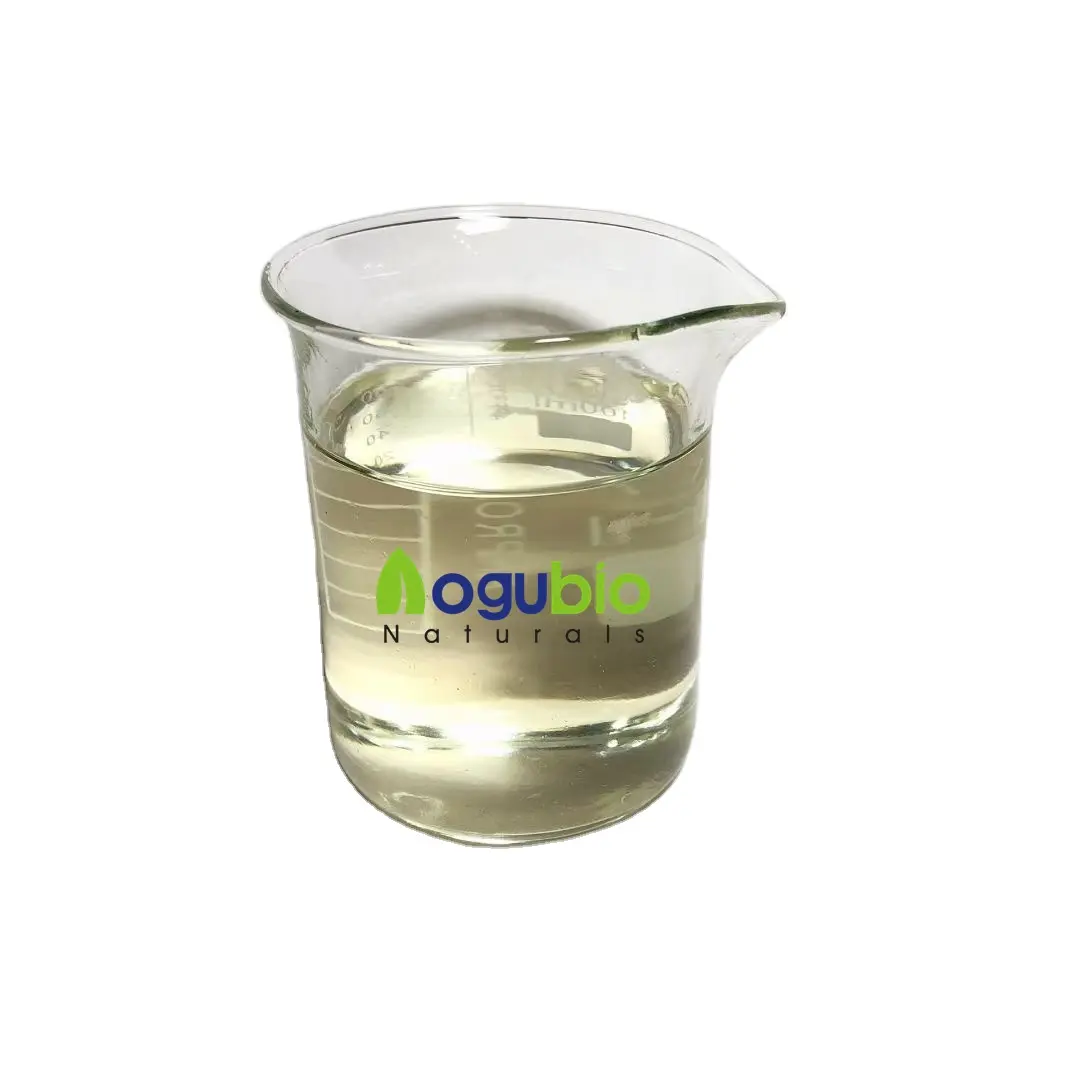
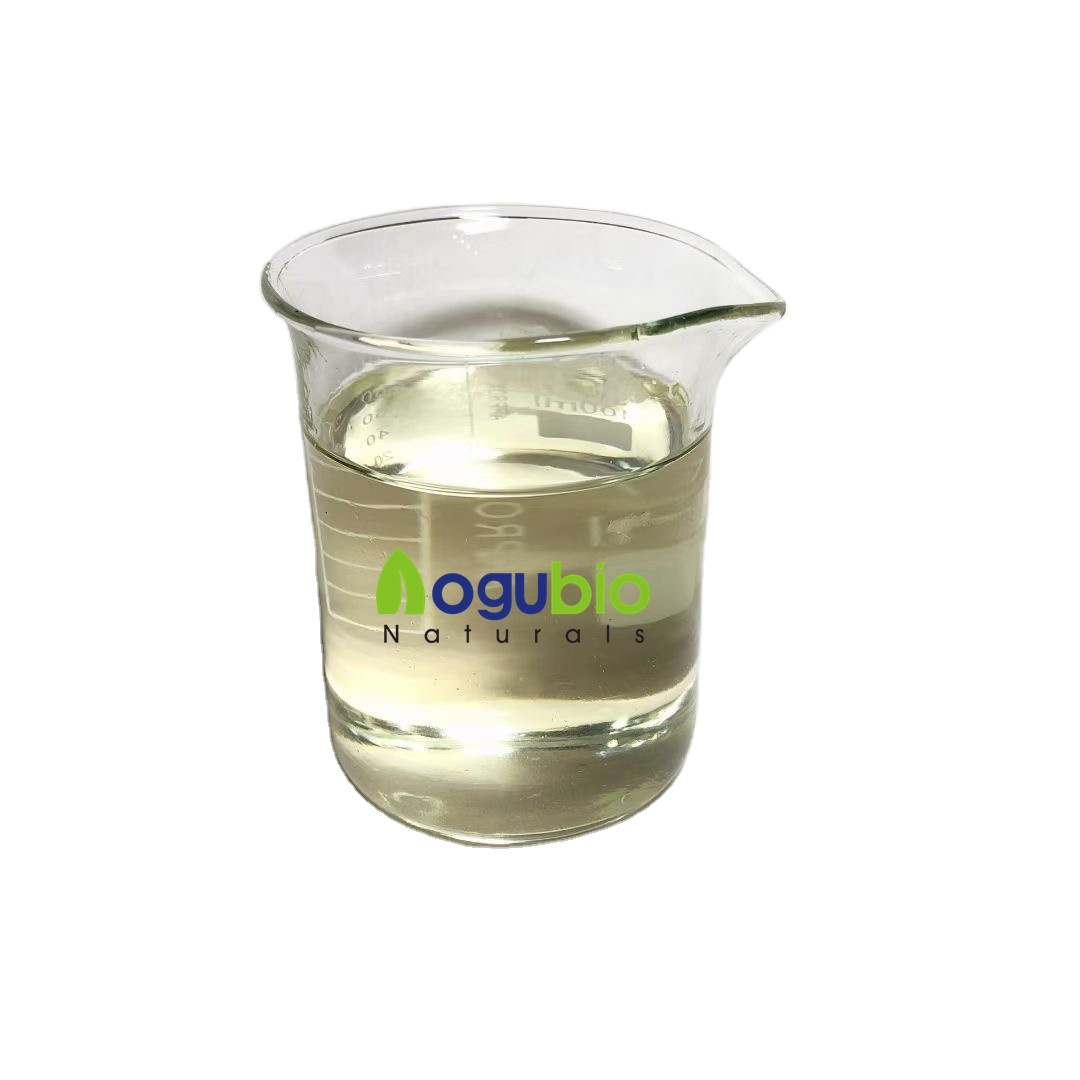
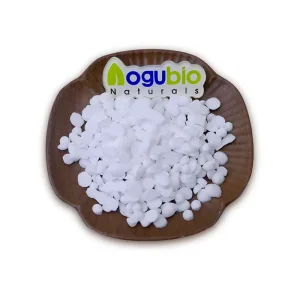
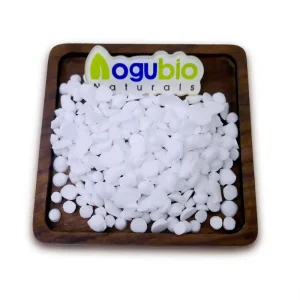
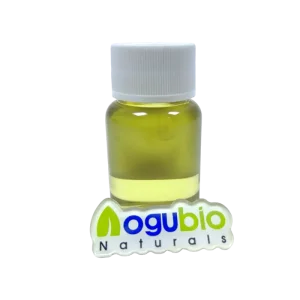
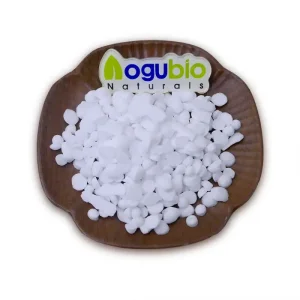
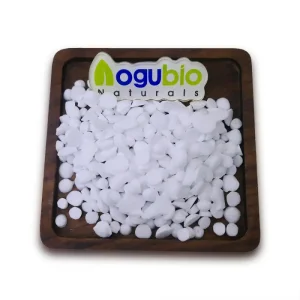
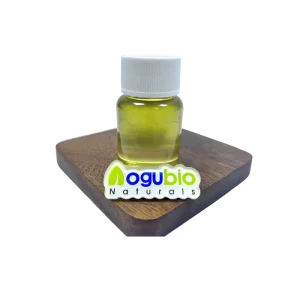
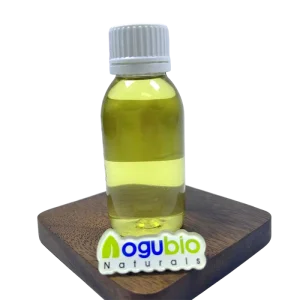
TRI (LAURETH-4) PHOSPHATE is a phosphate ester derived from lauryl alcohol and ethylene oxide. It is commonly used as an emulsifier, surfactant, and solubilizer in cosmetic formulations. This ingredient helps to stabilize oil-in-water emulsions and enhances the texture and feel of products.
It is a very effective pre-neutralized anionic O/W emulsifier, suitable for challenging formulas that require stability and comfortable skin feel. It is also highly suitable for low viscosity textures, such as sprays and lotions, derived from plants and commonly used in cosmetics and pharmaceutical industries. Its high HLB value allows the manufacture of lotions with polar oil esters and UV filters.
Key Features
- Advanced Emulsification: Creates perfectly blended, long-lasting emulsions for creams, lotions, and serums.
- Silky Skin Feel: Improves spreadability and delivers a luxurious, non-greasy finish.
- Gentle & Effective: Ideal for sensitive skin formulations while boosting hydration and product performance.
🧪
Usage & Incorporation
TRI (LAURETH-4) PHOSPHATE is typically used in concentrations ranging from 1% to 5%, depending on the formulation and desired effects. It can be incorporated into formulations during the emulsification process or added to the water phase of a product.
🧴
Applications
Commonly used in creams, lotions, serums, shampoos, conditioners, foundations, primers, facial and body cleansers, and sunscreens.
❓
Frequently Asked Questions
What is TRI (LAURETH-4) PHOSPHATE?
It is a phosphate ester derived from plant-based lauryl alcohol and ethylene oxide, primarily used as an anionic O/W emulsifier and surfactant in cosmetics.
What are its primary functions in skincare?
Its primary functions include stabilizing emulsions, providing skin conditioning for a smooth feel, and acting as a solubilizer for fragrances and oils.
What is the recommended dosage for formulations?
The typical concentration ranges from 1% to 5%, depending on the specific product type and desired texture.
Is it suitable for use in sunscreens?
Yes, its high HLB value makes it excellent for stabilizing formulations containing UV filters and polar oil esters.
Is this ingredient vegan and cruelty-free?
Yes, it does not contain animal-derived components and has not been tested on animals.
What types of products can I find it in?
It is widely used in creams, lotions, serums, shampoos, foundations, facial cleansers, and conditioners.
 Aogebio Cosmetic