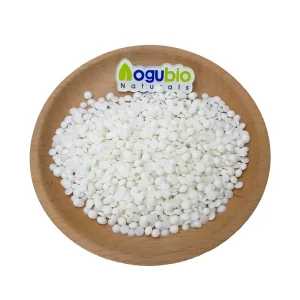
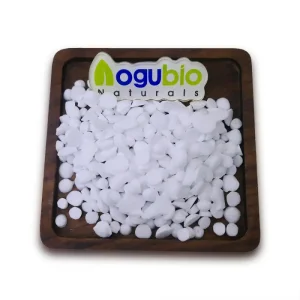
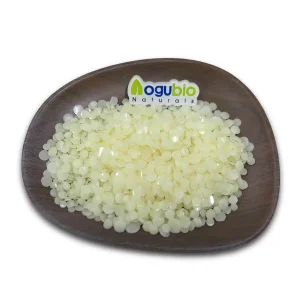
Explore our core functional cosmetic ingredients, high-performance peptides, and stabilizers engineered to match contemporary formulation requirements.
A comprehensive biochemical profile, key properties, and functional advantages in industrial and cosmetic formulations.
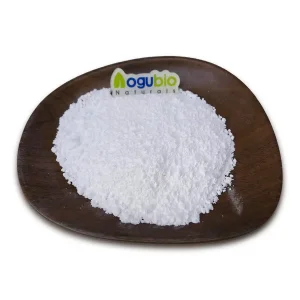
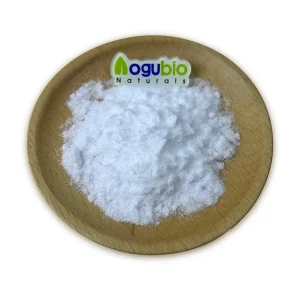
CAS:131-57-7, chemically known as Benzophenone-3 or Oxybenzone, is an organic compound that occupies a critical space within photostabilization and ultraviolet absorption technology. Featuring a molecular formula of C14H12O3 and a molecular weight of 228.24 g/mol, this pale-yellow crystalline powder operates as a broad-spectrum filter. It exhibits outstanding performance in absorbing both ultraviolet A (UV-A) and ultraviolet B (UV-B) light wavelengths, ranging predominantly between 270 nm and 350 nm.
"In the realm of advanced chemical synthesis, the molecular structure of Benzophenone-3 plays a vital role. The internal hydrogen bond within its ortho-hydroxy benzophenone system facilitates the rapid dissipation of absorbed light energy through non-radiative, thermal transitions. This key pathway prevents polymeric matrix degradation and skin tissue damage."
For formulation scientists, sourcing CAS 131-57-7 with strict quality metrics is non-negotiable. Premium industrial grade and cosmetic grade Benzophenone-3 must conform to high-performance chromatography standards:
Minimum purity levels of ≥99.5% evaluated via High-Performance Liquid Chromatography (HPLC) ensure negligible impurity interference in target formulations.
Exhibits a clear melting point range between 62°C and 65°C, crucial for hot-pour manufacturing processes and heat-treated plastic compound melt extrusion.
Highly soluble in common organic solvents, cosmetic oils, and plasticizers, offering seamless dispersion in non-aqueous emulsified matrices.
An in-depth look at regulatory modifications, international logistics, and smart chemical manufacturing frameworks.
The regulatory landscape surrounding CAS:131-57-7 (Oxybenzone) has become a primary driver of formulation strategy modifications globally. Historically utilized as an indispensable sunscreen active in the United States and Europe, its use is now closely monitored. In jurisdictions such as Hawaii and the European Union, guidelines have shifted:
As modern chemical supply chains require high precision, Aogebio's integrated manufacturing complex is leading the transition to "China Factory 4.0." Operating a modern facility spanning over 66,667 m², our processes leverage automated control loops and real-time process control (DCS) systems.
Our smart manufacturing framework integrates several core advantages:
Factory 4.0 Note: By deploying advanced chromatographic instruments, including GC-MS and ICP-MS systems, our QA/QC team analyzes raw batches for heavy metals, residual solvents, and structural isomers to meet stringent USP, EP, and ChP standards.
Industrial buyers sourcing Benzophenone-3 face fluctuating energy costs, environmental audits, and transit bottlenecks. Establishing a strong relationship with an expert manufacturing partner ensures smooth operations.
Key strategies for chemical procurement include:
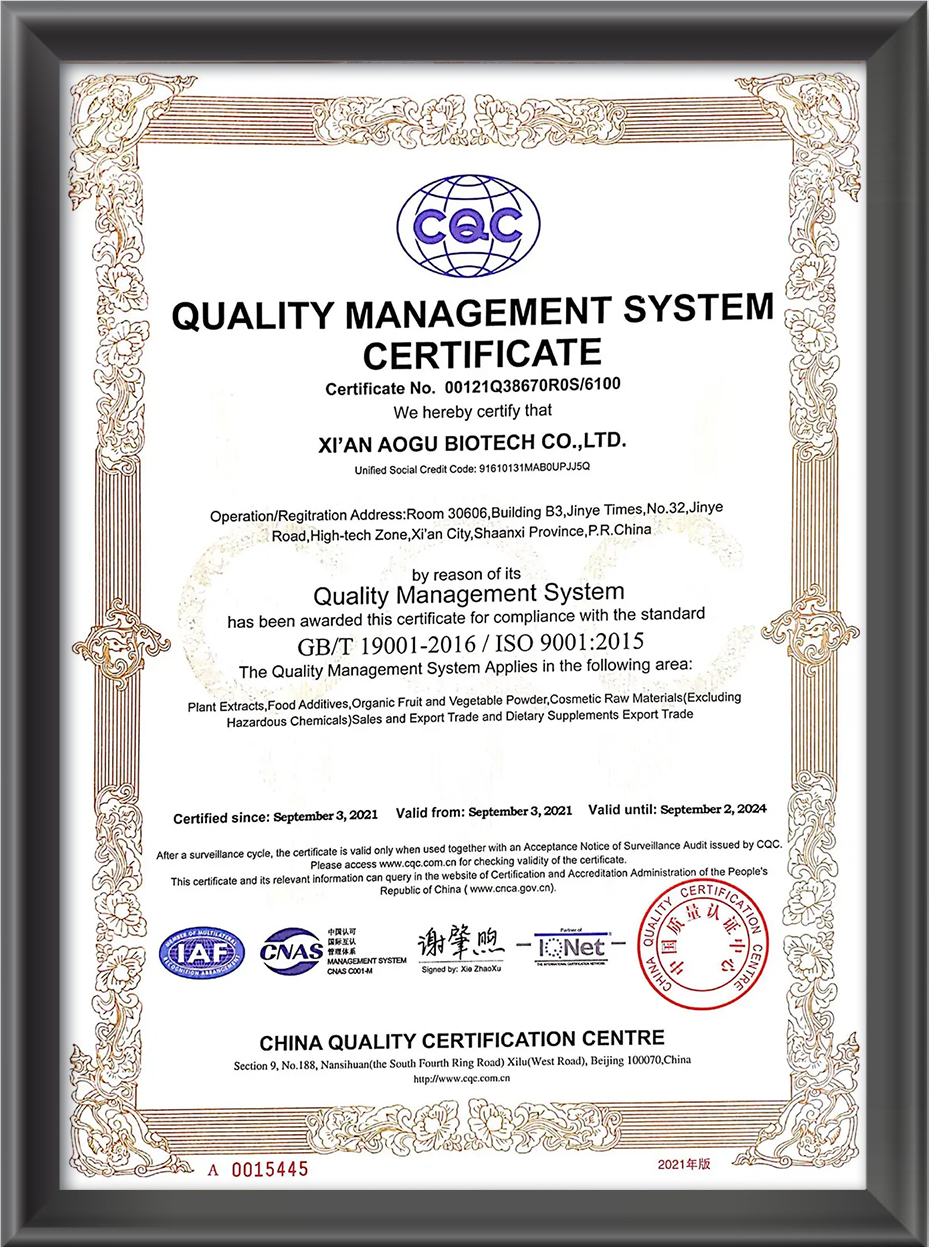
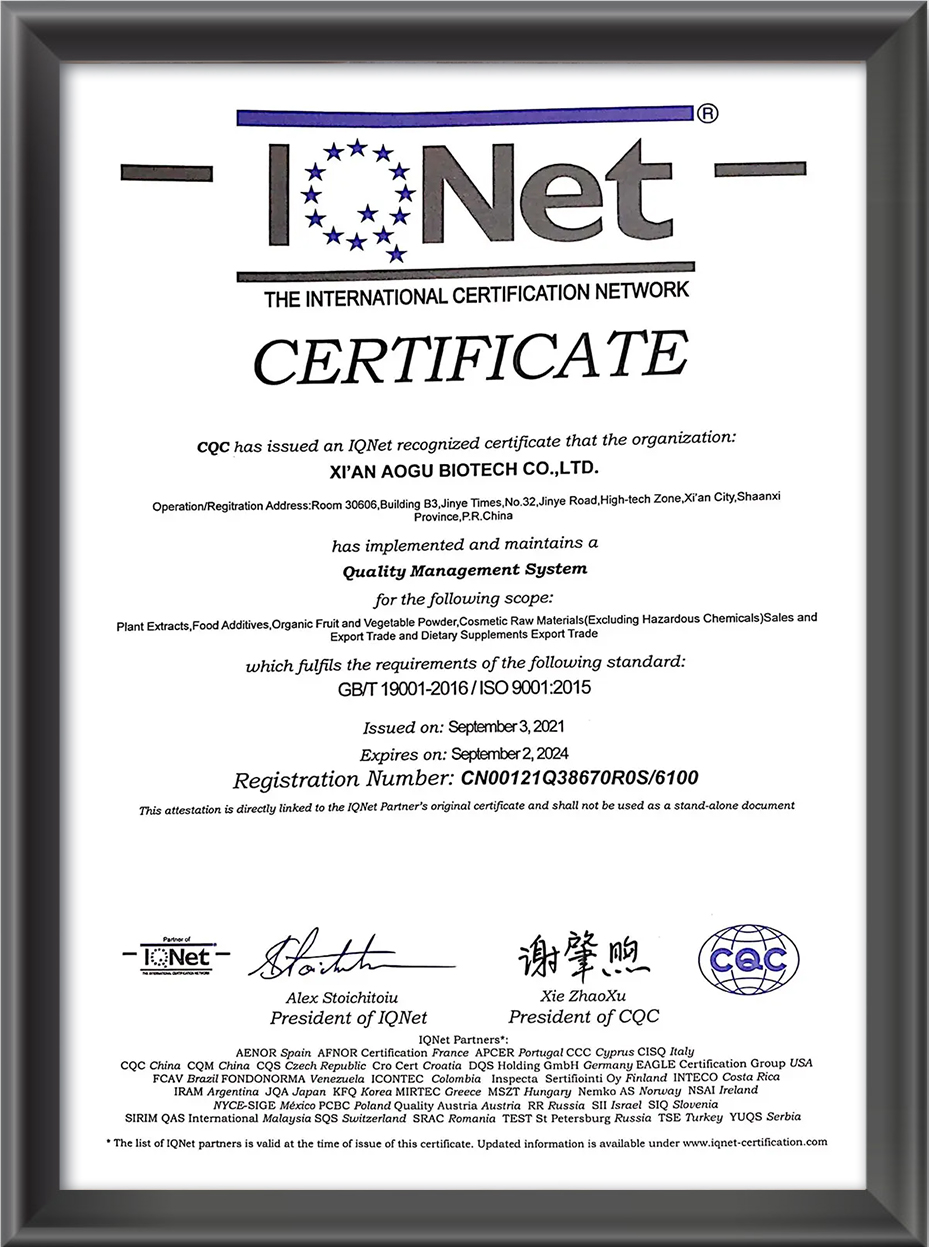
Founded in 2013 and headquartered in the high-tech zone of Xi'an, Xi'an Aoge Biotech Co., Ltd., along with its subsidiaries Xi'an Imaherb Biotech Co., Ltd. and Xi'an Nahanutri Biotech Co., Ltd., has established itself as a leading force in the cosmetics raw materials industry.
Our expansive cooperative factory, spanning 1,000 mu (approximately 165 acres), is equipped with state-of-the-art extraction and chemical synthesis technologies. This advanced infrastructure allows us to manufacture a wide array of premium cosmetic raw materials. Our product line includes natural plant extracts specifically designed for organic cosmetics, as well as synthetic ingredients for high-end skincare formulations. These raw materials serve as the foundation for a multitude of skincare, haircare, and makeup products, ensuring superior quality and efficacy throughout the entire production process.
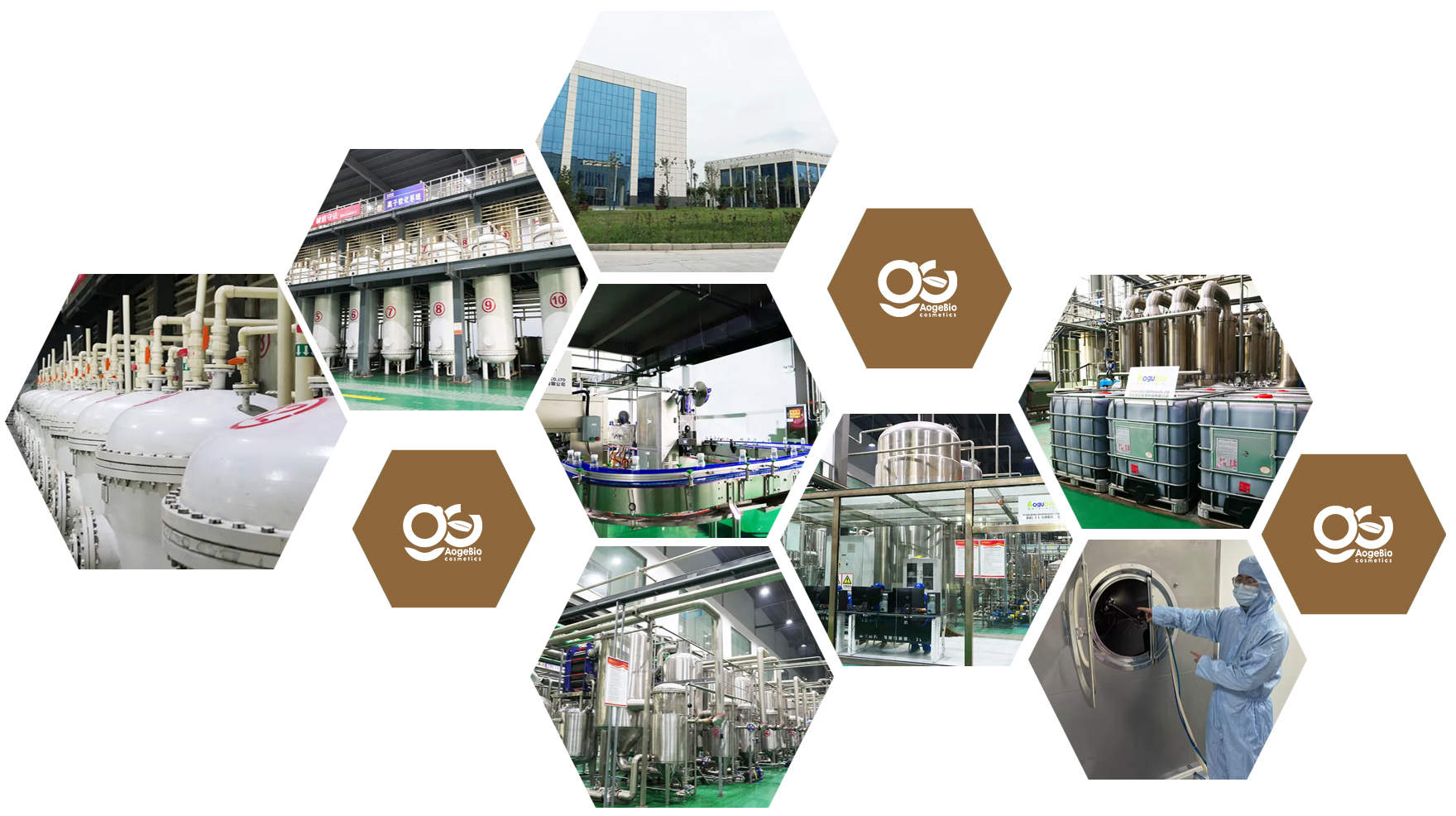
Our analytical labs employ high-precision instrumentation (UPLC, HPLC, GC-MS, ICP-MS) for meticulous quality validation, complying with international regulatory systems.
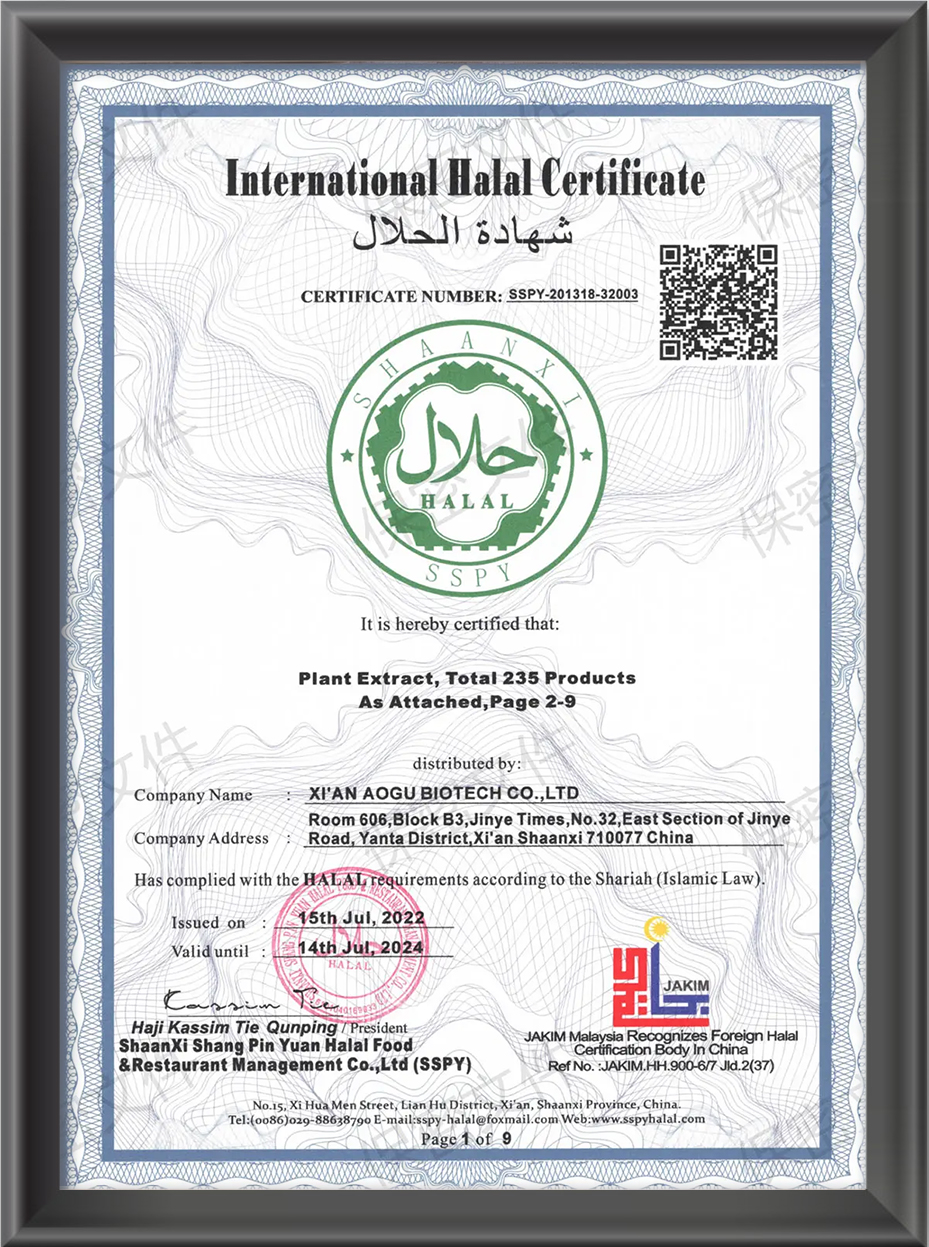
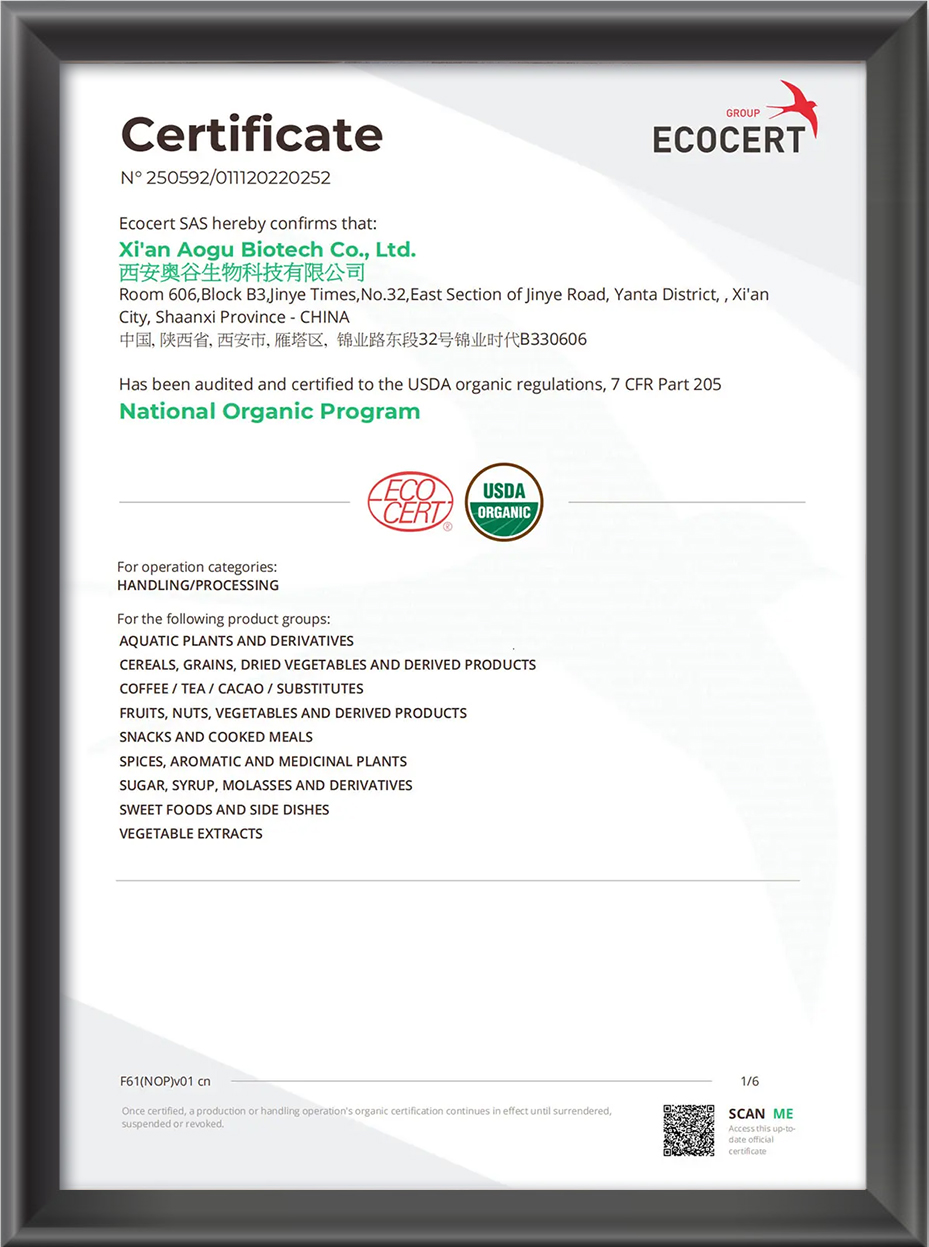
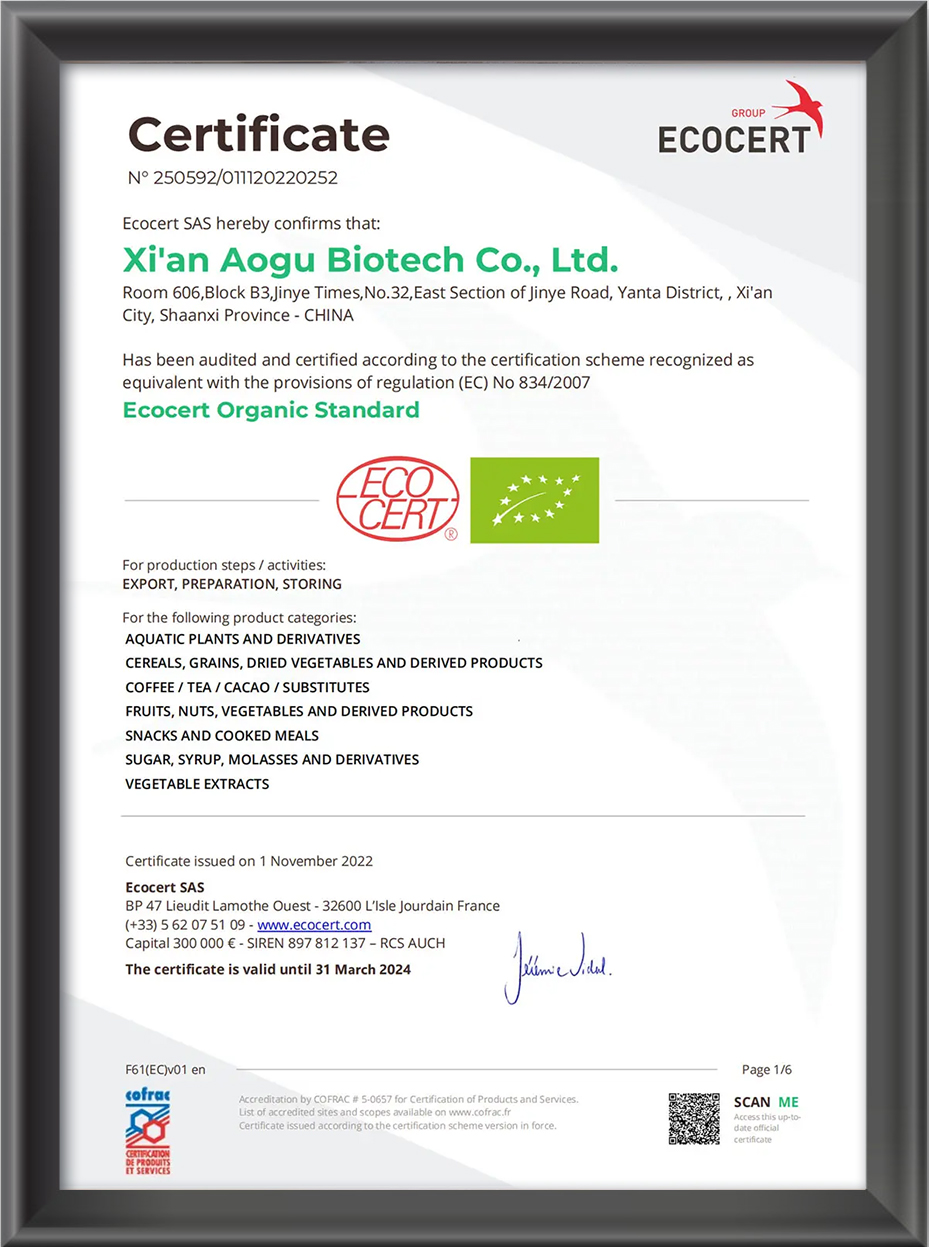
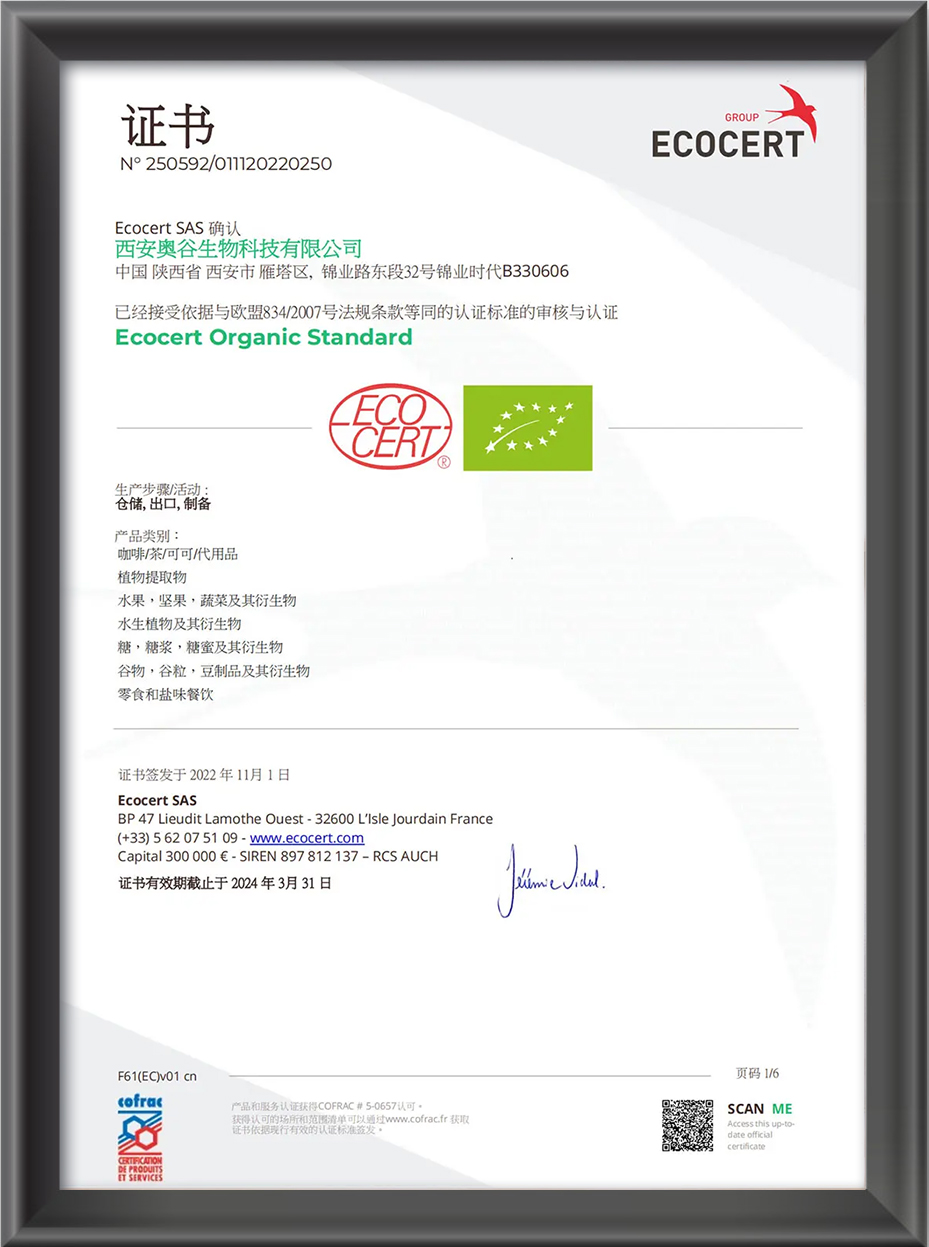
At Aogebio, innovation, quality, and sustainability are the bedrock of our corporate philosophy.
We pour relentless efforts into research and development, constantly exploring novel raw materials and advanced manufacturing techniques to stay ahead in the dynamic cosmetics industry.
Rigorous quality control is embedded in every step of our production process, from raw material sourcing to final product delivery, guaranteeing that each item adheres to the most stringent international standards.
Meanwhile, we actively embrace sustainable practices, striving to minimize our environmental footprint through eco-friendly production methods and responsible sourcing.
This unwavering dedication enables us not only to consistently offer products of unparalleled excellence but also to contribute to the long-term, healthy development of the entire cosmetics industry.
Analyzing the functional role of CAS:131-57-7 across diverse market sectors.
In the cosmetic sector, Benzophenone-3 is formulated into daily sunscreens, moisturizers, and lip balms. It works synergistically with physical blockers like Titanium Dioxide and Zinc Oxide to provide robust UV protection.
Plastics exposed to long-term sunlight undergo yellowing and physical deterioration. Integrating CAS:131-57-7 into polyurethane, PVC, and polyester polymers prevents polymer degradation and extends product lifespan.
Used in automotive varnishes and marine paint formulations, Benzophenone-3 acts as a radical scavenger. It preserves paint films against cracking and cracking-induced color fade under UV exposure.
In packaging applications, blending CAS:131-57-7 into transparent films helps protect light-sensitive contents, such as foods and pharmaceuticals, from photochemical degradation.
Clear, evidence-backed answers addressing the most common technical and logistics inquiries regarding CAS:131-57-7.
CAS:131-57-7 (Benzophenone-3 / Oxybenzone) serves as a photostabilizer and a chemical UV filter. It protects skin tissues and formulas from photolytic breakdown by absorbing UVA and UVB radiation, converting it into harmless thermal energy.
Our in-house analytical laboratory evaluates each batch utilizing High-Performance Liquid Chromatography (HPLC) and Gas Chromatography-Mass Spectrometry (GC-MS). This protocol verifies that purity exceeds 99.5% and ensures trace metals remain well within global pharmacopoeia limit thresholds.
The material is packaged in standard 25 kg fiber drums lined with double-sealed polyethylene bags to prevent humidity ingress. It should be stored in cool, dry, well-ventilated warehouses away from strong oxidizing agents and direct sunlight to maximize shelf life.
In the United States, it is allowed up to 6% in OTC sunscreen products. In the EU, following reviews by the SCCS, the maximum concentration is capped at 6% in face and hand cosmetics, but is restricted to lower levels in body formulations to address safety profiles.
Expand your formulation capabilities with our high-purity emulsifiers, natural oils, and conditioning agents.
 Aogebio Cosmetic