The demand for Cosmetic Grade Candelilla Wax has surged in recent years. This natural wax is prized for its versatility and functionality in beauty products. According to market research, the global cosmetic wax market is expected to grow at a CAGR of over 5% by 2026. This growth is largely driven by the increasing consumer preference for natural and organic ingredients.
Cosmetic Grade Candelilla Wax serves as an excellent emulsifier and thickener. It is commonly used in lip balms, lotions, and other personal care formulations. Its unique properties enhance product stability and provide a smooth application. However, manufacturers face challenges in sourcing high-quality wax. Not all suppliers meet industry standards, leading to variability in product performance.
As we explore the landscape of Cosmetic Grade Candelilla Wax buyers, it is vital to highlight the importance of industry certifications and sourcing practices. Buyers should consider suppliers with a proven track record to ensure reliability. Reflecting on these aspects will be crucial for brands aiming to meet evolving consumer expectations.
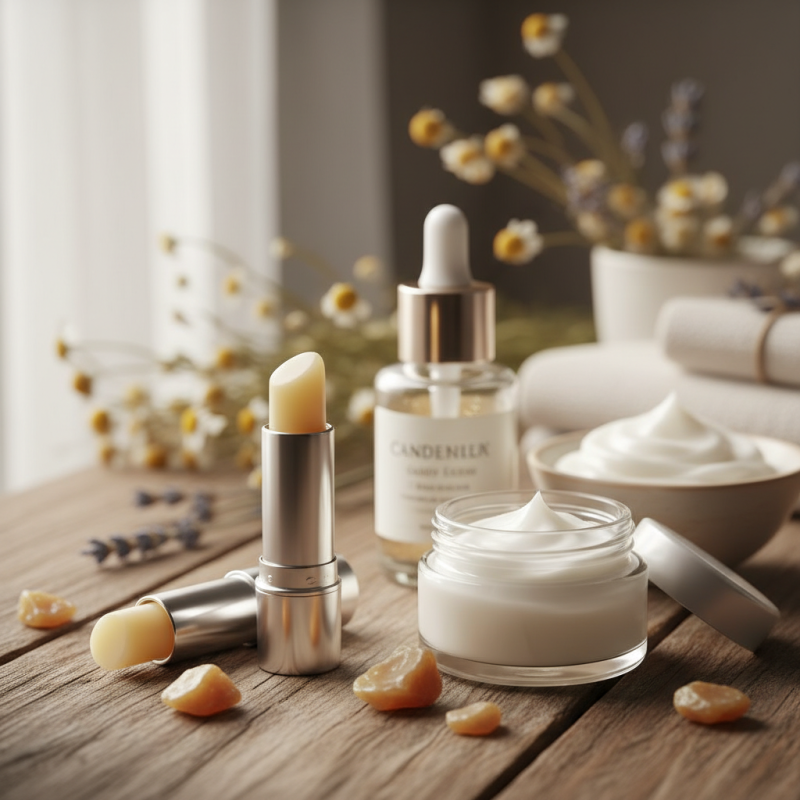
Candelilla wax is a vital ingredient in the cosmetic industry. Its unique properties make it a preferred choice for various formulations, including lip balms, lotions, and creams. Derived from the leaves of the Euphorbia antisyphilitica plant, this wax provides emollience and stability to cosmetic products.
When understanding what makes candelilla wax cosmetic grade, factors such as purity and melting point are essential. Cosmetic-grade candelilla wax typically has a minimum melting point of 68°C, ensuring it performs well in diverse conditions. According to industry reports, the global demand for candelilla wax is projected to grow at a CAGR of 5.2% by 2026, highlighting its importance.
Tips: Always check sourcing information for candelilla wax to ensure sustainability. Consider the potential for allergens and sensitivities among consumers. Quality control measures, such as testing for contaminants, play a critical role in establishing a reliable supply chain.
The demand for vegan and plant-based products increases the popularity of candelilla wax. However, sourcing may lead to concerns about overharvesting. Ensuring sustainable practices is vital for both the environment and brand reputation. Organizations encourage fair trade and sourcing from certified suppliers, which enhances the credibility of cosmetic products.
Candelilla wax is a natural plant-based wax derived from the leaves of the candelilla shrub. It plays a significant role in cosmetic formulations. This ingredient is favored for its unique ability to enhance texture and stability in products. Its melting point is relatively high, providing a firm structure in balms and creams.
In addition to texture, candelilla wax offers a protective barrier. This helps to lock in moisture and prevents skin from becoming dry. Many consumers appreciate its vegan status, as it serves as a great alternative to beeswax. However, while it is generally well-tolerated, some individuals may find it causes slight irritation. This can vary based on skin type and formulation.
Moreover, candelilla wax helps improve the spreadability of products. It contributes a smooth, silky finish that many users find appealing. It can hold up under various conditions, ensuring a long-lasting product. Yet, achieving the right balance in formulations can be challenging. Experimentation may be necessary to reach the desired texture without compromising integrity.
When searching for top candelilla wax suppliers, consider their sourcing practices. Ethical sourcing reflects a supplier's commitment to quality. Look for those who provide transparent information about their production processes. This not only ensures product purity but also supports sustainability.
Check the certifications. Quality candelilla wax should meet industry standards. Certifications like organic or natural can indicate higher quality. However, don't rely solely on labels. Research the supplier’s history and reputation. Supplier reviews can offer valuable insights.
Tips for evaluation: Ask for samples. Testing products can reveal their texture and melting properties. Also, inquire about their customer support. Clear communication is essential, especially during bulk orders. Quality should not be compromised for price. Consider the long-term benefits of investing in premium wax.
Candelilla wax is crucial in many cosmetic products. It provides a natural alternative to other waxes, offering excellent emulsifying properties. Several leading brands in candelilla wax production stand out for their quality and reliability. They adhere to high manufacturing standards, ensuring purity and safety in their products.
When selecting candelilla wax, consider sourcing from producers with transparent practices. Look for those who provide detailed specifications and certifications. This information reflects their commitment to quality. Many users appreciate the strength of candelilla wax, but its quality can vary between brands.
Tips: Always test the wax in small batches first. This helps you understand its behavior in formulations. Observe how it blends with oils and other ingredients. Some brands may require different heating methods, which can affect your end product.
Additionally, pay attention to the sustainability practices of the brand. Sustainable sourcing is essential for long-term supply and environmental responsibility. Conduct thorough research before making your choice. Not every product marketed as "pure" meets all quality standards.
The Candelilla wax market is anticipating significant growth in the coming years, driven by the rising demand in cosmetics. According to market research, the global Candelilla wax market is projected to reach $90 million by 2026, reflecting a compound annual growth rate (CAGR) of approximately 5%. This growth is largely attributed to the increasing consumer preference for natural and eco-friendly ingredients in beauty products.
Furthermore, the Candelilla wax’s unique properties, such as its ability to enhance texture and provide gloss, make it a preferred choice for formulators. Industry reports highlight that the cosmetic segment constitutes over 60% of the Candelilla wax market. However, challenges remain. Sourcing this wax sustainably is essential, and suppliers need to keep a close eye on supply chain disruptions that could arise from climate change or market volatility.
As consumers become increasingly educated, transparency in sourcing practices is crucial. Many manufacturers face pressure to ensure their ingredients are derived ethically. Balancing cost-effectiveness with quality will be a critical area for improvement. In a competitive landscape, brands must innovate while remaining steadfast in their commitment to sustainability. The future of Candelilla wax lies in addressing these challenges and leveraging opportunities in the evolving market.
: Candelilla wax is a natural plant-based wax from the Euphorbia antisyphilitica plant.
It enhances texture, stability, and provides a protective moisture barrier in products.
The melting point is typically a minimum of 68°C, ensuring performance in various conditions.
While generally well-tolerated, some users may experience irritation; reactions depend on skin type and formulation.
Candelilla wax is a vegan alternative to beeswax, though both have unique benefits in formulations.
Look for sustainability practices, transparent sourcing information, and quality certifications from suppliers.
Start with small batches to understand its behavior with other ingredients, adjusting as needed.
Achieving the right texture can be tricky; some experimentation is often required.
Yes, not all products labeled "pure" meet quality standards; thorough research is essential.
Overharvesting is a concern; sustainable practices are vital for both the environment and brand credibility.
The article titled "2026 Top Cosmetic Grade Candelilla Wax Buyers Guide" provides a comprehensive overview of cosmetic grade candelilla wax, highlighting its unique properties that make it suitable for use in cosmetic formulations. The benefits of this natural wax include its ability to enhance texture, provide a protective barrier, and improve product stability, making it a sought-after ingredient in various beauty products.
Furthermore, the guide outlines key criteria for selecting top suppliers of cosmetic grade candelilla wax, emphasizing the importance of quality, sourcing practices, and supplier reliability. A review of leading brands in the field showcases their commitment to excellence, while market trends and future outlooks indicate a growing demand for candelilla wax as sustainability becomes increasingly important to consumers. Overall, this article serves as an essential resource for buyers seeking to navigate the world of cosmetic grade candelilla wax.

Aogebio Cosmetic