Resveratrol micronized has gained attention in the health and wellness industry. This innovative form of resveratrol boasts improved bioavailability. Experts suggest that micronizing this compound enhances its absorption in our bodies, making it more effective.
Dr. Emily Huang, a renowned nutraceutical researcher, states, "Resveratrol micronized offers promising benefits that can transform health outcomes." Her insights highlight the potential of this supplement in promoting cardiovascular health and reducing inflammation. Many studies suggest that its antioxidant properties combat oxidative stress effectively.
However, the journey to understanding resveratrol micronized is not without challenges. Not everyone responds the same way to supplements. Research continues to evolve, revealing both benefits and uncertainties. While the enthusiasm is palpable, consumers should approach with caution and seek professional advice.
Resveratrol is a powerful polyphenol found in various plants. It is most notably present in the skin of red grapes, but also in berries, peanuts, and dark chocolate. This compound serves as a defense mechanism for plants, helping them withstand environmental stresses. Consuming these natural sources can potentially offer health benefits to humans.
Incorporating resveratrol-rich foods into your diet may promote heart health. Some studies suggest it helps lower blood pressure and improves circulation. However, the amounts found in food are often much lower than what may be needed for significant effects. It raises questions about dietary intakes. Is it enough?
Resveratrol's antioxidant properties help combat oxidative stress. Berries, especially, are a colorful way to add this compound to your meals. While consuming whole foods is beneficial, relying solely on diet can be challenging. Supplements are an option, but their long-term effects aren't fully understood. The science is still evolving.
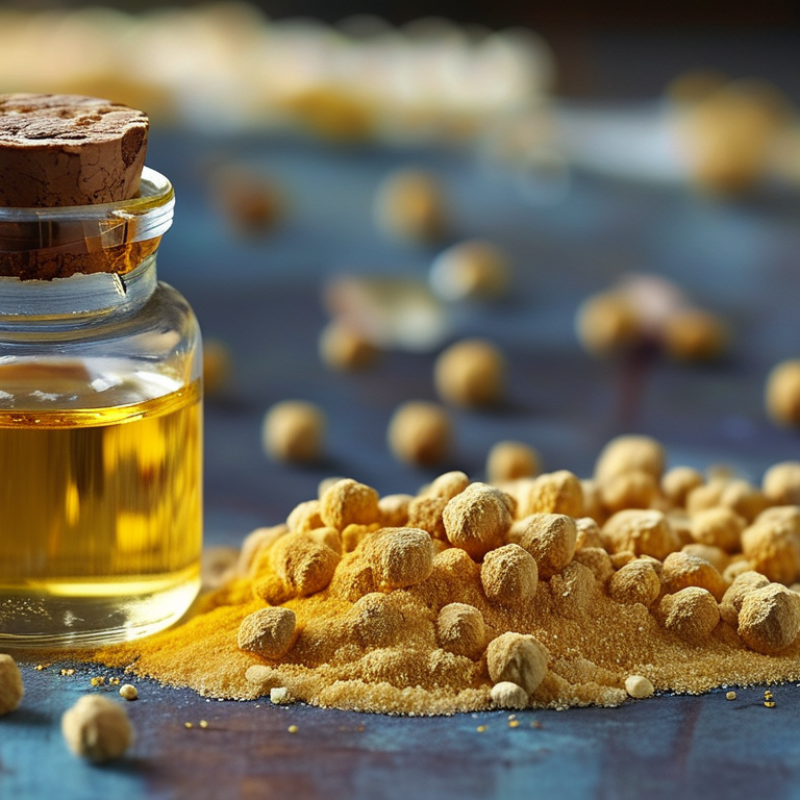
Micronization is a process that reduces particle size to enhance the bioavailability of compounds. Resveratrol, a polyphenol found in red wine, can be micronized to improve its absorption in the body. Studies suggest that micronized resveratrol is more effective than normal resveratrol. According to research published in the Journal of Nutrition, micronization can increase bioavailability by up to 50%. This means your body can absorb and utilize more of the beneficial compound.
The micronization process involves grinding resveratrol into fine particles, which increases surface area. This allows for better interaction with digestive enzymes and improved solubility in bodily fluids. A report from the International Journal of Pharmaceutics highlights that micronized medicines can penetrate cellular membranes more easily. This is crucial for compounds like resveratrol, which are relatively poorly soluble.
Tip: Look for products that specify micronized resveratrol. Ensure the source is reputable to guarantee quality. Not all resveratrol supplements provide the same benefits. Understanding the differences in formulation can make a significant impact on health outcomes. While micronization aids in absorption, it's essential to consider dosage and individual metabolic factors.
Micronized resveratrol is a finely ground form of resveratrol, a natural polyphenol found in grapes. Research from the Journal of Nutritional Biochemistry indicated that micronization increases bioavailability. This means the body can absorb it more efficiently, increasing the potential health benefits.
One major benefit of micronized resveratrol is its antioxidant properties. Antioxidants fight oxidative stress, a significant factor in aging and chronic diseases. Studies show that resveratrol may reduce inflammation markers in the body. A report from the American Journal of Clinical Nutrition found that daily intake of resveratrol may lower blood pressure and improve heart health over time.
Additionally, there is ongoing research into resveratrol's role in promoting brain health. Some studies suggest it may enhance cognitive function and protect against neurodegenerative diseases. However, while there are promising outcomes, individual responses to resveratrol can vary. Dietary supplements should be considered cautiously, and consulting with healthcare professionals is advisable.
Resveratrol is often praised for its health benefits. However, potential side effects and considerations deserve attention. This compound, while generally safe, can cause issues in some individuals. Gastrointestinal discomfort, headaches, and allergic reactions are reported side effects. These effects vary widely among users.
People with certain health conditions should be cautious. Those on blood thinners may experience increased bleeding risks. Pregnant or breastfeeding women should consult their healthcare provider before use. Interactions with medications are possible, so communication with a healthcare professional is key.
Quality and dosage are critical. Micronized resveratrol may enhance absorption but not all products offer that. Some may not be effective, leading to unmet expectations or side effects. It is essential to monitor your body's responses carefully. Listening to your body can prevent negative experiences. Always seek expert guidance when considering resveratrol supplementation.
Incorporating micronized resveratrol into your diet can be easy and rewarding. One effective method is to blend it into smoothies. Combine fruits like bananas and berries with yogurt or nut milk. Mix in a scoop of micronized resveratrol for an antioxidant boost. This method masks the flavor, making it enjoyable.
Another way is to add it to meals. Sprinkle it over oatmeal or yogurt for breakfast. You can also stir it into soups or sauces while cooking. This approach allows you to enjoy its benefits throughout the day. Be mindful of the amount; a little goes a long way.
It's important to start small and adjust based on how your body reacts. Some individuals may experience mild digestive discomfort. Listening to your body can provide insight into the right quantity for you. The journey to using micronized resveratrol requires some trial and error, but the potential health benefits are worth exploring.
: Resveratrol is a polyphenol found in plants, mainly in red grape skins. It helps plants survive environmental stresses.
Natural sources include red grapes, berries, peanuts, and dark chocolate. Eating these can provide health benefits.
It may lower blood pressure and improve circulation. The amounts in food might not be enough for strong effects.
Micronization reduces particle size, enhancing absorption. This process allows better interaction with digestive enzymes.
Micronized resveratrol may increase bioavailability by up to 50%. It is generally more effective and better absorbed.
Yes, potential side effects include gastrointestinal discomfort, headaches, and allergic reactions. These vary from person to person.
People on blood thinners, or those who are pregnant or breastfeeding, should consult a healthcare provider first.
Quality and dosage are crucial. Not all supplements are effective, and some may lead to unmet expectations and side effects.
Yes, it can. Monitoring your body's response is vital. Listening to your body can help prevent adverse reactions.
Relying solely on diet can be challenging. Supplements might be necessary, but their long-term effects are still unclear.
Resveratrol micronized refers to a refined form of resveratrol, a natural polyphenol primarily found in grape skins, berries, and peanuts, known for its antioxidant properties. The micronization process enhances the bioavailability of resveratrol, allowing for better absorption in the body. This is significant because higher bioavailability means that more of the beneficial compounds are utilized, potentially amplifying its health benefits, such as promoting heart health, supporting anti-inflammatory responses, and contributing to overall longevity.
Incorporating resveratrol micronized into one's diet can be achieved through dietary supplements or fortified foods, making it easier to access its advantages. However, it is essential to consider potential side effects, such as digestive issues or interactions with medications. Overall, understanding how to effectively integrate this potent compound into daily routines can lead to improved health outcomes, provided that one also considers the guidance of health professionals regarding its usage.

Aogebio Cosmetic