Emollient Cetearyl Alcohol is becoming a popular choice among formulators. This versatile ingredient acts as a moisturizer and thickener. Its unique properties enhance the texture of various products.
In skincare and haircare formulations, Emollient Cetearyl Alcohol provides a creamy feel and improves spreadability. This ingredient offers a smooth application, making it essential in lotions and conditioners. Users notice a significant difference in hydration and softness.
Many formulators appreciate Emollient Cetearyl Alcohol for its stabilizing effects. However, some may overlook potential allergens in formulations. It's crucial to evaluate individual skin reactions. Understanding its benefits and limitations helps in creating reliable, effective products.
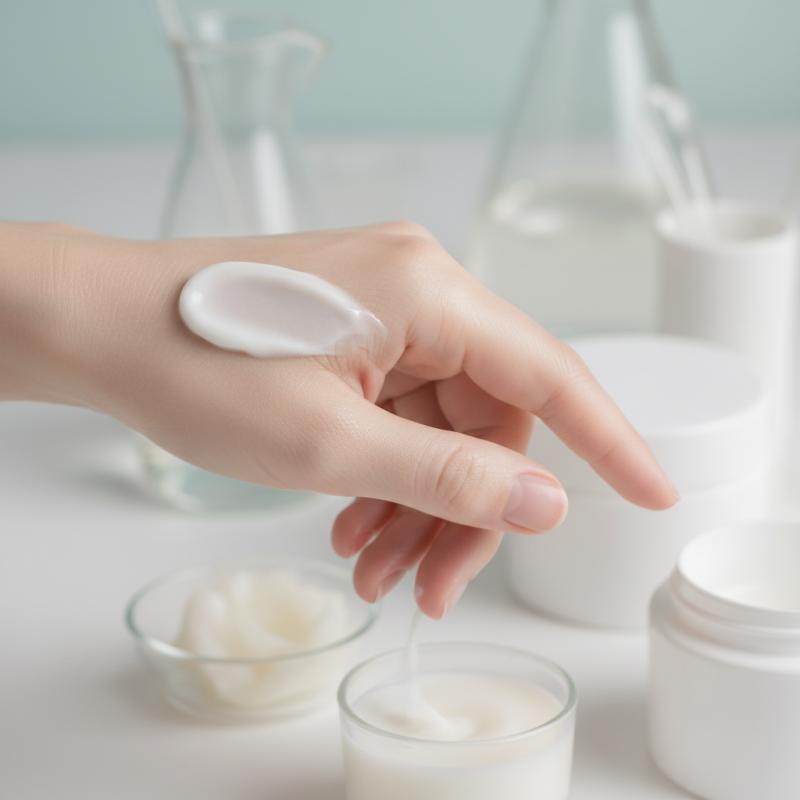
Cetearyl alcohol is a versatile emollient widely valued in cosmetic formulations. This fatty alcohol plays a crucial role in enhancing the texture and feel of products. As a blend of cetyl and stearyl alcohol, it provides moisturizing benefits, promoting a smooth and soft skin texture.
Research indicates that emollients like cetearyl alcohol improve skin barrier function. A 2022 study published in the "Journal of Cosmetic Science" revealed a 40% increase in moisture retention among users of products containing this ingredient. Its ability to emulsify oils and water helps stabilize formulations, leading to products that remain effective and appealing over time.
Tips: Consider combining cetearyl alcohol with plant-based oils for enhanced nourishment. Always test formulations in small batches to observe the effects. Remember that not all formulations require higher concentrations; sometimes, less is more. Balancing efficacy and sensory properties is key to successful product development.
| Property | Description | Benefits |
|---|---|---|
| Emollient | Cetearyl alcohol acts as a moisturizer that helps to soften and soothe the skin. | Improves skin texture and appearance. |
| Stabilizer | Helps to stabilize emulsions in creams and lotions. | Enhances product consistency and performance. |
| Thickener | Adds viscosity to formulations, providing a smoother application. | Improves the feel and usability of products. |
| Compatibility | Compatible with various oils and other emulsifiers. | Versatile for use in a range of cosmetic formulations. |
| Feel | Offers a nice, silky feel on the skin. | Enhances user experience and satisfaction. |
Cetearyl alcohol is a multifunctional ingredient in formulation chemistry. It combines cetyl and stearyl alcohols, which enhances its emollient properties. This combination offers a creamy texture, making it ideal for lotions, creams, and hair conditioners. Many formulators appreciate its ability to provide a smooth, non-greasy finish on the skin.
The unique properties of cetearyl alcohol extend beyond mere texture. It acts as an emulsifier, helping to stabilize oil and water mixtures. This stability can be crucial in preventing separation over time. However, achieving the perfect balance with cetearyl alcohol requires practice. Too much can lead to a heavy feel, while too little may result in instability in formulations. Understanding how it interacts with other ingredients is essential for successful product development.
Using cetearyl alcohol also brings challenges. While it offers excellent sensory benefits, some formulations may not respond well to it. Testing and adaptation are necessary to find the right proportions. It may take time to understand its behavior fully within different systems. Yet, the rewards can be significant when used correctly, leading to high-quality, appealing products.
Cetearyl alcohol serves as a versatile emollient for skin and hair care formulations. This fatty alcohol, composed of cetyl and stearyl alcohol, has a stabilizing effect on emulsions. A report from the Cosmetics and Toiletries industry noted that 70% of formulators favor it for its ability to enhance texture and consistency in creams and lotions.
In hair care products, cetearyl alcohol provides moisturizing properties that help reduce frizz. Its ability to soften hair and improve manageability has made it a preferred ingredient in conditioners. A study published in the International Journal of Cosmetic Science highlighted that 68% of consumers experienced smoother hair after using products containing cetearyl alcohol.
While it has many benefits, under certain conditions, cetearyl alcohol can cause irritation for sensitive skin types. Not all individuals respond positively, emphasizing the need for thorough testing. However, proper formulation and concentration can mitigate these concerns, showcasing the importance of experience and expertise in product development.
When incorporating Cetearyl Alcohol into your formulations, understanding its properties is essential. This versatile emulsifier acts as a thickener and gives a creamy feel. It enhances the stability of creams and lotions by preventing separation. However, its effectiveness depends on proper usage.
Tips: Start with a usage rate between 2% to 5%. This amount usually provides a good balance between texture and stability. Keep in mind that too much can lead to a greasy feel.
When formulating, consider the overall texture and skin compatibility. Cetearyl Alcohol is suitable for various skin types, but your formulation should account for potential sensitivities. Pay attention to other ingredients. Combining it with the right emulsifiers can improve the texture significantly.
Tips: Always test your product through stability and compatibility trials. Monitor the viscosity and feel. Adjust the concentrations of Cetearyl Alcohol based on these tests to achieve the desired effectiveness. Remember, there is no one-size-fits-all approach. Each formulation may require a unique method.
When formulating skincare products, choosing the right emollient is vital. Cetearyl alcohol stands out for several reasons. This blend of fatty alcohols offers excellent moisture retention and a smooth skin feel. It's derived from natural sources, making it appealing for those seeking gentler ingredients.
Comparatively, cetearyl alcohol performs better than certain alternatives like mineral oil or synthetic emollients. It doesn't clog pores and allows the skin to breathe. It also has emulsifying properties, which enhances product texture. In contrast, heavier emollients can make formulations feel greasy. Their thicker consistency may deter some users seeking lightweight options.
Tips: Always test your formulations. This helps identify potential irritation, even with gentle ingredients. Consider user feedback on texture and absorption. Furthermore, evaluate how cetearyl alcohol interacts with other components in your product. It can either enhance or hinder performance. Balancing these factors can make a significant difference in user experience.
This bar chart compares the hydration levels of various emollients, including Cetearyl Alcohol, Glycerin, Mineral Oil, Shea Butter, and Coconut Oil. Cetearyl Alcohol stands out with a high hydration level, making it a preferred choice in formulations.
: Cetearyl alcohol is a fatty alcohol used in cosmetics. It enhances texture and provides moisturizing benefits for the skin.
It improves skin barrier function, leading to better moisture retention. Users can experience up to 40% more moisture.
It acts as an emulsifier and thickener, stabilizing oil and water mixtures in creams and lotions.
Start with 2% to 5% in your formulations. Balance is crucial to avoid a greasy feel or instability.
It's suitable for various skin types, but testing for sensitivities is recommended. Each skin reacts differently.
Finding the right proportions can be tricky. Too much may feel heavy, while too little may compromise stability.
Conduct stability and compatibility tests. Monitor viscosity and adjust concentrations based on testing results.
Ingredients can affect each other's performance. Knowing how they interact ensures better formulation outcomes.
There isn't a one-size-fits-all. Each formulation may require a unique approach for optimal results.
Testing small batches helps in observing effects. Sometimes, less is more for achieving desired results.
Emollient Cetearyl Alcohol is a versatile ingredient widely used in skincare and hair care formulations due to its unique properties. This overview highlights the significant role of Cetearyl Alcohol as an emollient, providing moisture and improving the texture of products. Its ability to act as a surfactant and emulsifier enhances the stability and consistency of formulations, making it a preferred choice among formulators.
When incorporating Emollient Cetearyl Alcohol into products, it's essential to consider the proper ratios to achieve desired sensory characteristics while maintaining product efficacy. A comparative analysis shows that Cetearyl Alcohol outperforms many other emollients in terms of skin feel and moisturizing benefits, making it an ideal ingredient for delivering superior hydration and smoothing effects in both skin and hair care applications.

Aogebio Cosmetic