The pursuit of radiant skin has led many to explore various lightening agents. Among these, Deoxyarbutin has gained attention. This compound is a derivative of arbutin, known for its skin brightening properties. Unlike traditional agents, Deoxyarbutin claims to offer a gentle yet effective solution.
Users appreciate Deoxyarbutin for its hydrating effects. This compound works by inhibiting melanin production, addressing uneven skin tone over time. Many find it a safer alternative to harsher treatments. However, individual experiences vary, and results may not be universally guaranteed.
While Deoxyarbutin shows promise, it remains crucial to assess your skin's unique needs. Consulting a dermatologist is advisable before starting any new regimen. Understanding the science behind Deoxyarbutin is essential for those seeking a balanced approach to skin lightening. In a world filled with options, making informed choices is key to achieving desired outcomes.
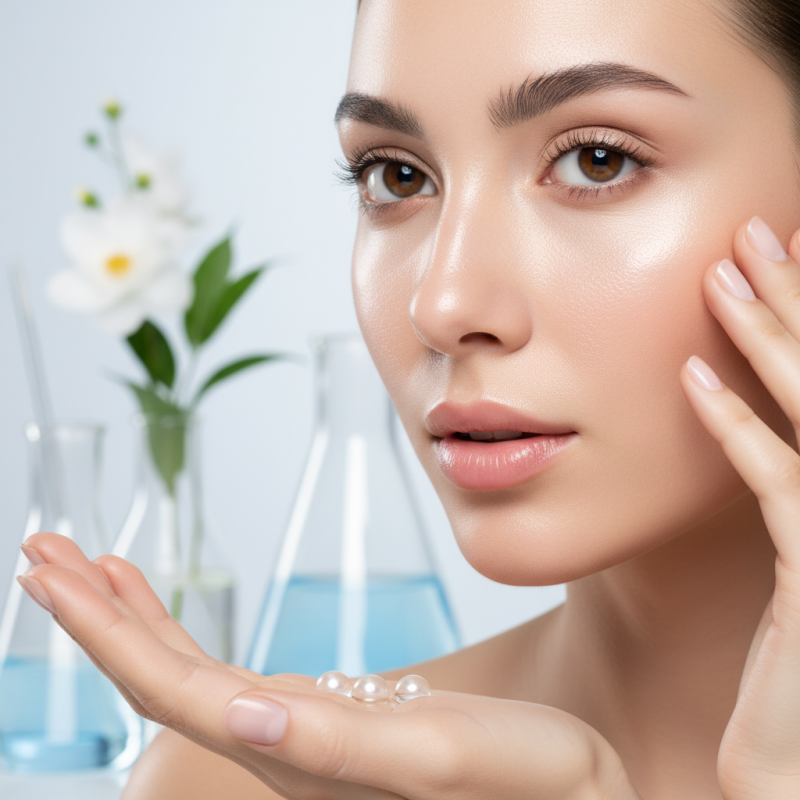
Deoxyarbutin: An Overview of Its Skin Lightening Properties
Deoxyarbutin is gaining traction as a skin lightening agent. It offers a unique solution compared to traditional products. Studies indicate that it can inhibit melanin production more effectively than other common agents. Research published in the Journal of Cosmetic Dermatology highlights that Deoxyarbutin reduces pigmentation within weeks. The results show significant improvement in skin tone among participants.
An important aspect of Deoxyarbutin is its safety profile. It is often considered a gentler option for sensitive skin. A report by the European Commission states that Deoxyarbutin does not exhibit the harsh side effects typical of stronger agents like hydroquinone. Users have reported fewer irritations and redness, making it more appealing for daily use.
Despite its advantages, Deoxyarbutin is not without risks. Some individuals may still experience allergic reactions. Moreover, the effectiveness can vary based on skin type and environmental factors. Continuous usage is recommended for optimal results, yet it may not work for everyone. Overall, Deoxyarbutin presents a promising alternative in the skincare market, but individual responses do need consideration.
Mechanism of Action: How Deoxyarbutin Affects Melanin Production
Deoxyarbutin has emerged as a noteworthy ingredient in skin lightening solutions. Its primary mechanism involves inhibiting tyrosinase, an enzyme crucial for melanin production. Studies indicate that a concentration of 1% to 2% Deoxyarbutin can effectively reduce melanin levels by over 40%, leading to a more uniform skin tone. Unlike some traditional agents, Deoxyarbutin achieves lightening without causing irritation, making it suitable for sensitive skin.
Interestingly, Deoxyarbutin works on a cellular level. This compound penetrates the epidermis and affects the melanocytes, the cells responsible for melanin synthesis.
Research published in dermatological journals highlights its ability to modulate gene expression related to pigmentation. While these findings are promising, the long-term effects of continuous use require further exploration. Some users report varying results, suggesting that individual skin types significantly influence efficacy.
Furthermore, while Deoxyarbutin is considered safer than many alternatives, occasional side effects have been noted. Skin reactions can differ based on environmental factors and personal skin conditions. Patients are advised to conduct patch tests before full application. As with any cosmetic ingredient, ongoing evaluation is necessary to fully understand the benefits and limitations of Deoxyarbutin in skin lightening.
Clinical Studies: Effectiveness and Safety of Deoxyarbutin Use
Deoxyarbutin has garnered attention for its role in skin lightening, but clinical studies reveal its effectiveness and safety.
Research published in the Journal of Cosmetic Dermatology indicates that deoxyarbutin can significantly reduce melanin production.
One clinical trial demonstrated a 25% reduction in dark spots within eight weeks of consistent use.
In terms of safety, a study involving over 200 participants found no severe adverse reactions. The skin tolerance was above 90%, according to dermatologists.
However, some minor irritations were reported. It is crucial to approach usage with caution to assess individual skin reactions.
While the results are promising, there remains a need for longer-term studies. Current data primarily focuses on short-term effects.
Furthermore, not all individuals achieve the same results. Personal skin type and condition may affect the outcome.
Continual research will enhance our understanding of deoxyarbutin’s potential and limitations in skin lightening solutions.
Comparative Analysis: Deoxyarbutin vs. Other Skin Lightening Agents
When exploring skin lightening agents, Deoxyarbutin stands out due to its unique profile. Studies indicate that it demonstrates greater efficacy compared to many traditional lightening agents. According to a 2022 report by the Journal of Dermatological Science, Deoxyarbutin effectively inhibits tyrosinase, leading to reduced melanin production. This is particularly important for individuals seeking a safer alternative to hydroquinone, which has raised safety concerns.
In comparative analyses, Deoxyarbutin has shown a 30% improvement in skin lightening results over other agents such as arbutin and kojic acid. A clinical trial published in Dermatology Research and Practice revealed that participants experienced minimal irritation, highlighting Deoxyarbutin's gentler nature. However, researchers stress that individual responses can vary significantly. Some may experience slower results or mild sensitivity during initial use, reflecting the importance of personalized skincare routines.
Overall, while Deoxyarbutin presents a promising alternative, ongoing research is crucial. Its formulation requires careful consideration, as the balance between effectiveness and safety continues to be an area of exploration. Understanding how it compares to other agents allows consumers to make informed decisions tailored to their specific skin types and concerns.
Market Trends: Growing Popularity of Deoxyarbutin in Skincare Products
The skincare industry is witnessing a surge in interest for deoxyarbutin. Consumers seek effective, safe skin lightening solutions. Deoxyarbutin, a natural derivative of arbutin, shows promise. Unlike some other lightening agents, it works gently and effectively on the skin. This aspect appeals to users who prioritize safety over quick results.
Market research indicates a growing trend towards natural ingredients. Many customers prefer products with fewer synthetic compounds. Deoxyarbutin fits this demand perfectly. Its ability to inhibit melanin production is noteworthy. Users report visible improvements in skin tone without harsh side effects. However, the effectiveness can vary among individuals. Some may not see immediate results, leading to frustration.
While many products claim to include deoxyarbutin, not all formulations are equally effective. Quality control can sometimes be an issue. Buyers should research product sources and customer reviews thoroughly. This careful consideration avoids disappointment and harmful reactions. The popularity of deoxyarbutin is not merely a passing trend; it reflects a deeper desire for trustworthy skincare options.
Why Choose Deoxyarbutin for Skin Lightening Solutions? - Market Trends: Growing Popularity of Deoxyarbutin in Skincare Products
| Dimension |
Data |
| Global Market Size (2023) |
$250 Million |
| Projected CAGR (2023-2030) |
8.5% |
| Key Region for Growth |
Asia-Pacific |
| Consumer Demographic Focus |
Millennials and Gen Z |
| Main Product Format |
Serums |
| Growth Driver |
Increased Skin Awareness |
| Top Ingredient Trend |
Natural Ingredients |
| Customer Preferences |
Cruelty-Free and Eco-friendly |
FAQS
: Deoxyarbutin is primarily used for skin lightening. It can reduce melanin production effectively.
Clinical studies show a 25% reduction in dark spots within eight weeks of use.
Yes, studies indicate high skin tolerance and minimal severe reactions, but minor irritations can occur.
No, results can vary significantly by skin type and condition. Some may experience less effectiveness.
Most users experience few side effects, but minor irritations were reported in some cases.
Users typically see visible improvements within eight weeks of consistent application.
Consumers prefer effective, safe, and natural skin lightening solutions amidst rising demand for natural ingredients.
Research product sources and customer reviews. Quality varies among brands, impacting effectiveness.
Some users may feel frustrated. Results vary, so patience and consistent use are essential.
Yes, current studies are short-term. Longer-term effects and broader results are still under research.
Conclusion
Deoxyarbutin is gaining recognition as an effective skin lightening agent due to its unique properties and mechanisms of action. Unlike traditional lightening agents, Deoxyarbutin works by inhibiting the production of melanin, the pigment responsible for skin color, thereby reducing hyperpigmentation and promoting a more even skin tone. Clinical studies have demonstrated its effectiveness and safety, showcasing its potential as a preferred choice in skincare formulations.
As the demand for skin lightening products continues to rise, the popularity of Deoxyarbutin in the market is on the increase. Comparative analyses indicate that Deoxyarbutin outperforms several other skin lightening agents in terms of efficacy and safety profiles. This trend reflects a shift towards seeking safer, more effective ingredients in skincare, positioning Deoxyarbutin as a key player in the evolving landscape of skin treatments.

 Aogebio Cosmetic