In the world of cosmetics, emulsifiers play a crucial role. They enable the blending of oil and water, creating stable formulations. Leading industry expert Dr. Emily Chen emphasizes their importance: "Cosmetic emulsifiers are the unsung heroes behind every smooth lotion and cream."
Choosing the right emulsifier is key for product performance. Consumers desire products that feel luxurious and deliver effective results. The right emulsifier ensures the right texture, stability, and absorption. Many global buyers are overwhelmed by the variety available. This can lead to confusion and poor decision-making.
Not all emulsifiers are created equal. Their effectiveness varies based on formulation needs and target markets. Some emulsifiers may not perform well in certain conditions. This highlights the need for careful selection. Understanding the benefits of each type can enhance product quality. Global buyers should prioritize reliable sources and expert insights in their decisions.
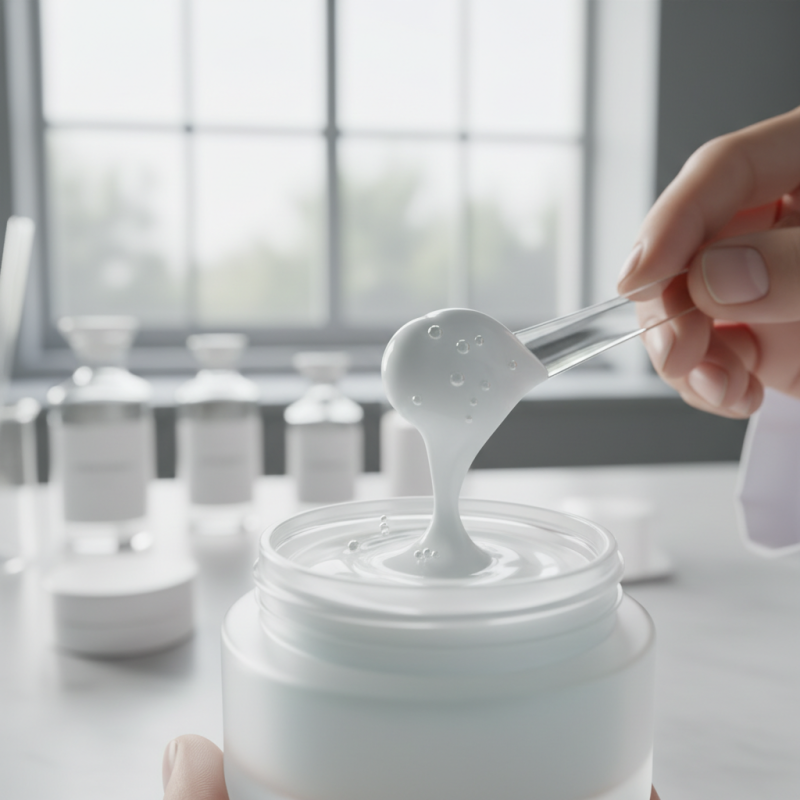
Best Cosmetic Emulsifiers: An Overview of Key Ingredients
Emulsifiers are essential in cosmetics, enabling oil and water to blend smoothly. These ingredients enhance texture and stability, crucial for creams and lotions. Common emulsifiers include glyceryl stearate and cetearyl alcohol. They provide a pleasant feel and improve product performance.
Choosing the right emulsifier requires expertise. Each emulsifier has a unique function and suitability for different formulations. For example, some are better for light lotions, while others work well in rich creams. The choice affects how a product feels on the skin. Testing is part of the process, ensuring stability under various conditions.
There are challenges in emulsifier selection. An emulsifier might work well but could cause irritation. Compatibility with other ingredients is vital. The balance between natural and synthetic options also requires careful thought. A well-formulated product often takes time and reflection. Adjustments may be necessary to achieve the desired outcome.
Types of Cosmetic Emulsifiers and Their Functions in Formulations
Emulsifiers play a crucial role in cosmetic formulations. They stabilize mixtures of water and oil, preventing separation. Common types include anionic, cationic, and nonionic emulsifiers. Each type has unique properties that affect product texture and stability.
Anionic emulsifiers, such as
sodium stearoyl lactylate, enhance the feel of creams and lotions. They provide excellent emulsification for oil-in-water formulations. Nonionic emulsifiers, like
glyceryl stearate, are known for their mildness. They work well with sensitive skin, offering a smooth finish without irritation. Cationic emulsifiers, such as
behentrimonium chloride, primarily serve in conditioning hair products. They enhance softness and manageability.
According to a recent market report, the global cosmetic emulsifier market is projected to reach
$1.7 billion by 2026. This growth reflects increasing consumer demand for
innovative and effective skincare products. While emulsifiers are essential, the quest for the right balance remains challenging. Manufacturers often grapple with achieving the ideal viscosity and sensory feel, while ensuring product safety. Continuous innovation in formulation science is, therefore, imperative to meet evolving consumer expectations.
Benefits of Using Emulsifiers in Cosmetic Products
Emulsifiers are vital in cosmetic formulations. They allow oil and water to mix, creating smooth textures. Without emulsifiers, products like lotions or creams would separate. This separation can affect the product quality and performance.
Using emulsifiers enhances the stability of cosmetic products. Stable products have a longer shelf life, which is crucial for both manufacturers and consumers. A well-formulated emulsifier can improve skin feel and application adherence. Users often prefer products that glide effortlessly on their skin.
Selecting the right emulsifier can be challenging. Different emulsifiers offer varying levels of stability and sensory attributes. It's important to consider factors like skin type and product type. Though many emulsifiers exist, not all are suitable for every formulation. Testing is essential to achieve the desired results. Some emulsifiers may not perform well under specific conditions, so caution is needed.
Global Market Trends for Cosmetic Emulsifiers
The global market for cosmetic emulsifiers is witnessing notable trends in formulation and innovation. According to recent industry reports, the cosmetic emulsifier market is expected to grow at a CAGR of 5.2% from 2021 to 2026. This growth is driven by increasing consumer demand for clean beauty products and sustainable ingredients. Emulsifiers play a critical role in stabilizing formulations, making them essential for products like creams and lotions.
Vegan and plant-based emulsifiers are particularly gaining traction. A significant shift is observed towards natural emulsifiers derived from sources like olive oil and jojoba wax. These ingredients appeal to environmentally conscious consumers. They enhance product safety and skin compatibility. However, some formulators hesitate. The challenge lies in achieving proper stability and texture without compromising performance.
Tip: When selecting emulsifiers, consider your target audience. Assess their preferences for natural versus synthetic options. Formulating to match consumer expectations can yield better market response.
Moreover, the regulatory landscape is evolving. Compliance with safety regulations becomes more complex. Manufacturers need to stay updated on ingredient safety assessments. This can be a daunting task for smaller companies. They may lack the resources to navigate these regulations effectively.
Tip: Engage with regulatory experts to streamline this process. Staying compliant ensures product credibility and market access.
Choosing the Right Emulsifier for Different Skin Types
Choosing the right emulsifier for different skin types is crucial. Emulsifiers help blend oil and water, creating a stable product that can hydrate and nourish the skin. For oily skin, lightweight emulsifiers are preferable. They absorb quickly and do not clog pores. Look for ingredients that offer a matte finish and balance oil levels.
For dry skin types, heavier emulsifiers are beneficial. These create a protective barrier that retains moisture. Richer formulations can soothe dryness and provide lasting hydration. Be wary, though; the wrong emulsifier can lead to a greasy feel, which might not be ideal. Trial and error can be part of the journey.
Combination skin can be tricky. A versatile emulsifier that hydrates without heavy oils is key. Seek out those that balance both oily and dry areas. This often requires experimentation. Not every emulsifier will suit every individual, and skin reactions vary. Understanding your skin’s unique needs is a process that evolves.
Best Cosmetic Emulsifiers for Global Buyers and Their Benefits
| Emulsifier Type |
Skin Type |
Benefits |
Usage Rate (%) |
| Stearyl Alcohol |
Dry Skin |
Moisturizing and emollient properties |
2-15% |
| Sorbitan Stearate |
Normal Skin |
Stabilizes emulsions, enhances texture |
2-10% |
| Glyceryl Stearate |
Sensitive Skin |
Gentle moisturizer, skin-soothing |
1-5% |
| Cetyl Alcohol |
Oily Skin |
Emollient, reduces greasiness |
2-10% |
| Polysorbate 60 |
Combination Skin |
Emulsifying, improves product feel |
2-8% |
Conclusion
Cosmetic emulsifiers play a crucial role in the formulation of skincare and beauty products, acting as agents that stabilize mixtures of oil and water. This article provides an overview of key ingredients found in cosmetic emulsifiers, delves into the various types available, and highlights their specific functions, such as enhancing texture and improving product stability. Additionally, it discusses the many benefits of incorporating emulsifiers into cosmetic formulations, including improved moisturizing properties and better product application.
As the global market for cosmetic emulsifiers continues to grow, understanding current trends becomes essential for formulators. The article emphasizes the importance of selecting the right emulsifier based on different skin types to optimize the efficacy of the cosmetic products. By utilizing the right cosmetic emulsifiers, manufacturers can create effective and appealing products that cater to a diverse consumer base.

 Aogebio Cosmetic