Buying Yeast extract bulk can look simple until a production batch behaves differently.
A drum arrives with a familiar label. Yet its nitrogen level, salt content, moisture, color, and flavor may vary. These differences can affect fermentation speed, culture density, broth clarity, and final taste. The cheapest quotation may become the most expensive decision.
Dr. Maria L. Campos, a fermentation-technology consultant, offers a practical rule: “Buy against a specification, not against a promise.” Her advice fits every serious bulk purchase. A reliable buyer should examine the technical data sheet, certificate of analysis, microbiological limits, allergen statement, origin, and packaging conditions. Samples should be tested under realistic process conditions. A small flask may reveal problems hidden by a polished sales presentation.
This guide, “7 Tips for Buying Yeast Extract Bulk,” focuses on decisions that matter after delivery. It considers supplier consistency, application suitability, documentation, storage stability, and total landed cost. It also explains why two products with similar protein values may perform differently in a fermentation tank.
Some buyers overlook the powder’s flowability. Others ignore how quickly an opened bag absorbs moisture. These are not minor details. They can create clumps, dosing errors, and uneven media preparation.
There is no perfect supplier. Even careful manufacturers can face seasonal raw-material changes. That is why qualified buyers need comparison samples, clear acceptance criteria, and a backup plan. A confident purchase is not based on a persuasive brochure. It is based on evidence, repeatability, and a willingness to question convenient assumptions.
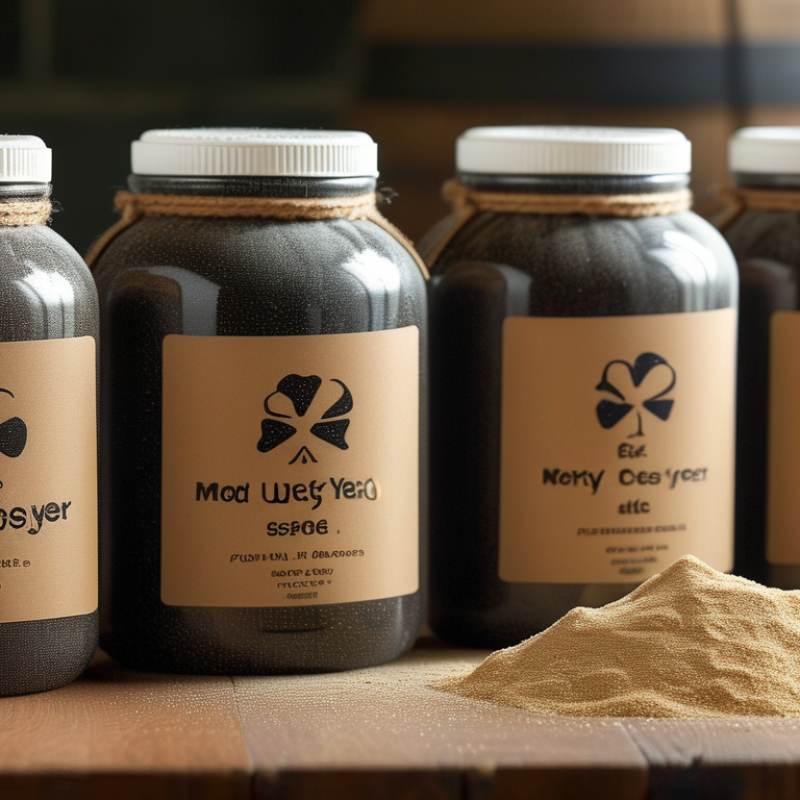
Yeast extract is a nutrient-rich ingredient made from yeast cells. It provides peptides, amino acids, vitamins, minerals, and natural flavor compounds. In microbiology, it supports the growth of many bacteria and fungi in culture media. Food manufacturers also use it in soups, sauces, snacks, seasonings, and plant-based products for savory depth. Its performance depends on the source, processing method, moisture level, and nutrient profile.
Buying tip one: define the application before choosing a grade. Tip two: request a specification sheet with protein, ash, moisture, pH, and microbiological limits. Tip three: check whether the powder dissolves smoothly in your actual formula. Small clumps can cause uneven results. Tip four: compare lot consistency, not only price. Bulk savings are meaningless if each batch behaves differently.
Tip five: ask for traceability and testing records from the supplier. Tip six: confirm packaging protects the powder from humidity, heat, and contamination. Tip seven: order a sample before committing to a large volume. I would not judge quality by color alone. A darker powder may still work well, while a pale one may disappoint. No specification is perfect; your own trial should remain part of the decision. During evaluation, record mixing time, aroma, sediment, and final product performance. These simple notes can reveal problems that a sales sheet misses.
| No. | Buying Tip or Product Dimension | What to Check | Relevant Technical Information | Common Applications |
|---|---|---|---|---|
| 1 | Define the required grade | Confirm whether the material is intended for food, fermentation, biotechnology, animal nutrition, or laboratory use. | Yeast extract is produced by breaking down yeast cells through autolysis or enzymatic treatment and removing insoluble cell-wall material. Different grades are processed for different performance and regulatory requirements. | Food flavoring, culture media, microbial fermentation, savory formulations, and nutritional products. |
| 2 | Review the nutritional profile | Request data for total nitrogen, amino nitrogen, peptides, nucleotides, moisture, ash, and carbohydrate content. | Yeast extract generally contains free amino acids, peptides, nucleotides, minerals, and B-group vitamins. The profile varies with yeast species, growth conditions, and hydrolysis method. | Flavor enhancement, nutrient supplementation, bacterial growth media, and fermentation feed systems. |
| 3 | Match the physical form to the process | Choose powder, granules, or liquid according to dosing equipment, transport conditions, and dissolution requirements. | Powdered yeast extract is concentrated and convenient for dry blending. Liquid products can disperse quickly but contain more water and may require controlled storage. | Dry mixes and culture media usually favor powder; liquid fermentation feeds and sauces may favor liquid formats. |
| 4 | Check solubility and process performance | Ask for solubility, clarity, dispersibility, sediment, and heat or pH stability data relevant to the application. | Yeast extract is generally water-soluble, but color, turbidity, sediment, and dissolution speed depend on filtration, concentration, drying, and formulation. | Clear microbial culture media, liquid broths, soups, sauces, seasoning systems, and fermentation processes. |
| 5 | Verify microbiological quality | Review total plate count, yeast and mold, pathogens, absence tests, and the analytical methods used. | Microbiological limits are application- and regulation-dependent. Sterility should not be assumed unless the product is specifically processed and labeled for that purpose. | Culture media, pharmaceutical or biotechnology processes, food ingredients, and animal nutrition. |
| 6 | Confirm regulatory and allergen information | Request allergen statements, GMO status, food-contact or feed-use documentation, origin details, and applicable compliance certificates. | Yeast extract is derived from yeast, but processing aids, carriers, cross-contact controls, and local labeling requirements can differ between products and regions. | Packaged foods, nutritional products, feed formulations, and regulated laboratory or industrial processes. |
| 7 | Evaluate packaging, storage, and supply reliability | Compare pack size, batch traceability, shelf life, lead time, minimum order quantity, and storage instructions. | Powdered yeast extract is typically protected from moisture, heat, oxygen, and contamination. Packaging should remain tightly closed and stored under the conditions stated on the product documentation. | Regular bulk production, contract manufacturing, research laboratories, and seasonal food-processing demand. |
| 8 | Appearance and sensory profile | Check color, odor, taste, hygroscopicity, particle size, and batch-to-batch consistency. | Yeast extract commonly ranges from light tan to brown and has a characteristic savory, umami-rich flavor. Sensory intensity depends on amino acids, peptides, nucleotides, salt, and processing. | Soups, sauces, snacks, meat alternatives, seasonings, and savory ready-to-eat foods. |
Set limits for moisture, protein, nitrogen, ash, salt, color, solubility, and microbial counts. A clear specification prevents avoidable disputes.
Check the lot number, sampling date, test methods, units, and measured results. Do not trust attractive wording alone.
Define limits for total plate count, yeast, mold, and specified pathogens before ordering. Sampling still needs review.
No. Test aroma, bitterness, color, sediment, and solubility in your actual recipe. A product can meet protein targets and still dissolve poorly.
Compare landed cost, including freight, insurance, duties, testing, and warehouse handling. Request quotes for several volumes. A low unit price may hide a large minimum order.
Confirm the manufacturing date, retest date, remaining shelf life, and storage conditions. Twelve months on paper may become six months after transit.
Use sealed, food-grade, moisture-resistant bags with suitable inner liners. Humidity causes clumps.
Review pallet protection, batch codes, transit time, temperature exposure, and damaged-carton responsibility. Photos help. A small trial lot is safer than a large assumption.
Buying Yeast extract bulk requires more than simply comparing prices. Start by understanding its common applications, such as fermentation, food production, nutritional formulations, and laboratory media, so you can select a suitable type for your process. Define quality standards in advance, including appearance, flavor, solubility, moisture, microbiological requirements, and consistency between batches. When comparing suppliers, review their production capabilities, documentation, lead times, pricing structure, and minimum order quantities rather than focusing on cost alone.
Before placing a large order, carefully check packaging strength, storage conditions, shelf life, and delivery terms to reduce the risk of product deterioration. Request representative samples and evaluate them under your actual processing conditions, paying attention to performance, compatibility, taste, and batch consistency. Clear communication about specifications, testing methods, certificates, and after-sales support can also help prevent misunderstandings. A careful, step-by-step evaluation will make Yeast extract bulk purchasing more reliable, economical, and suitable for long-term supply planning.

 Aogebio Cosmetic